
Last updated October 9, 2026
Full 25-point door and opener safety check with every visit - springs, cables, rollers, tracks, and your LiftMaster or Chamberlain opener included
You get a price before we start. It does not change when the truck arrives.
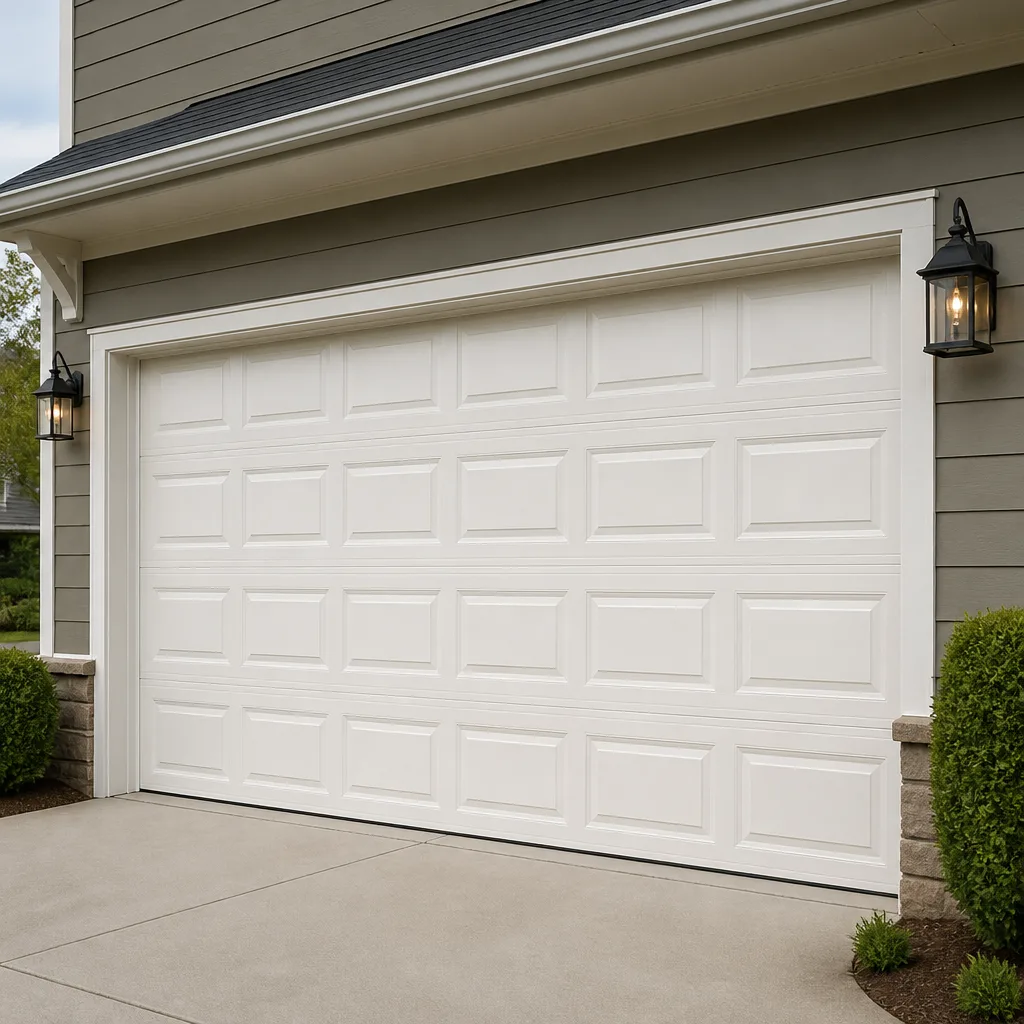
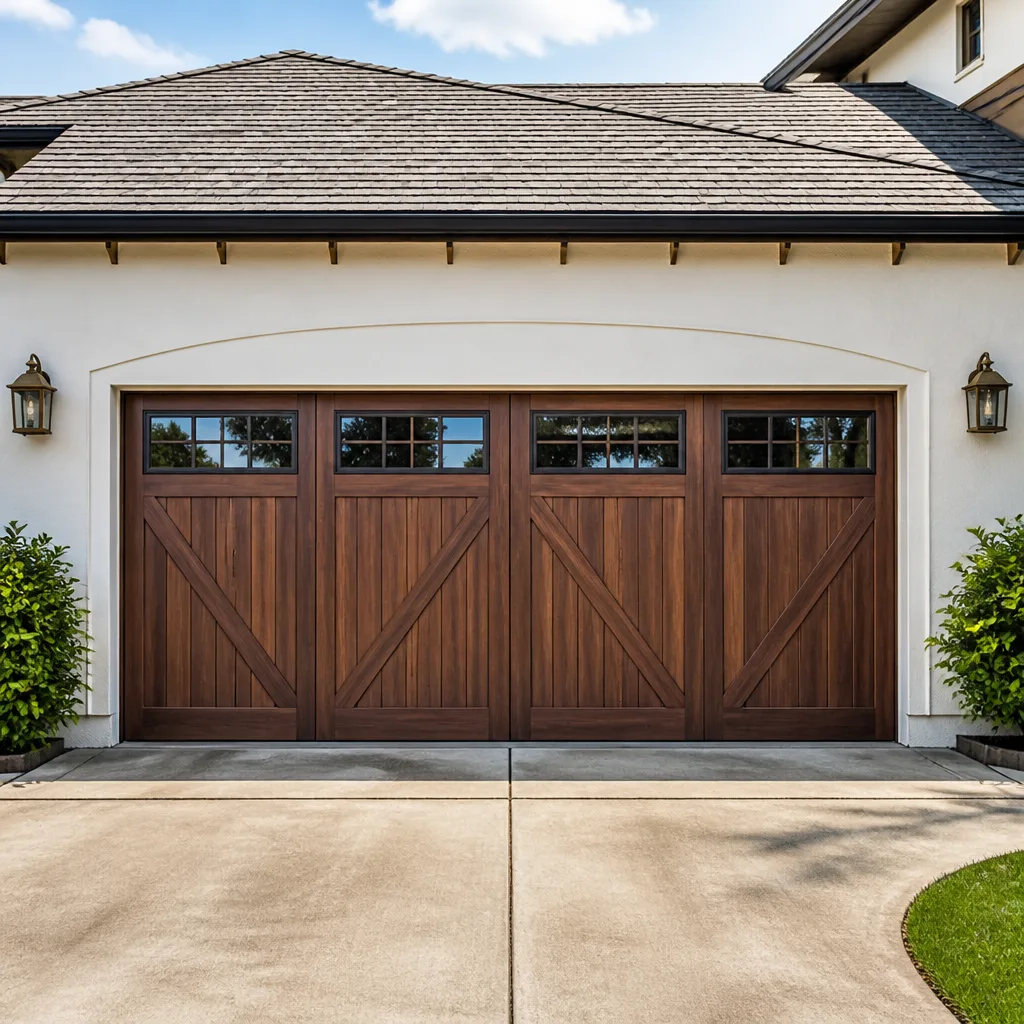
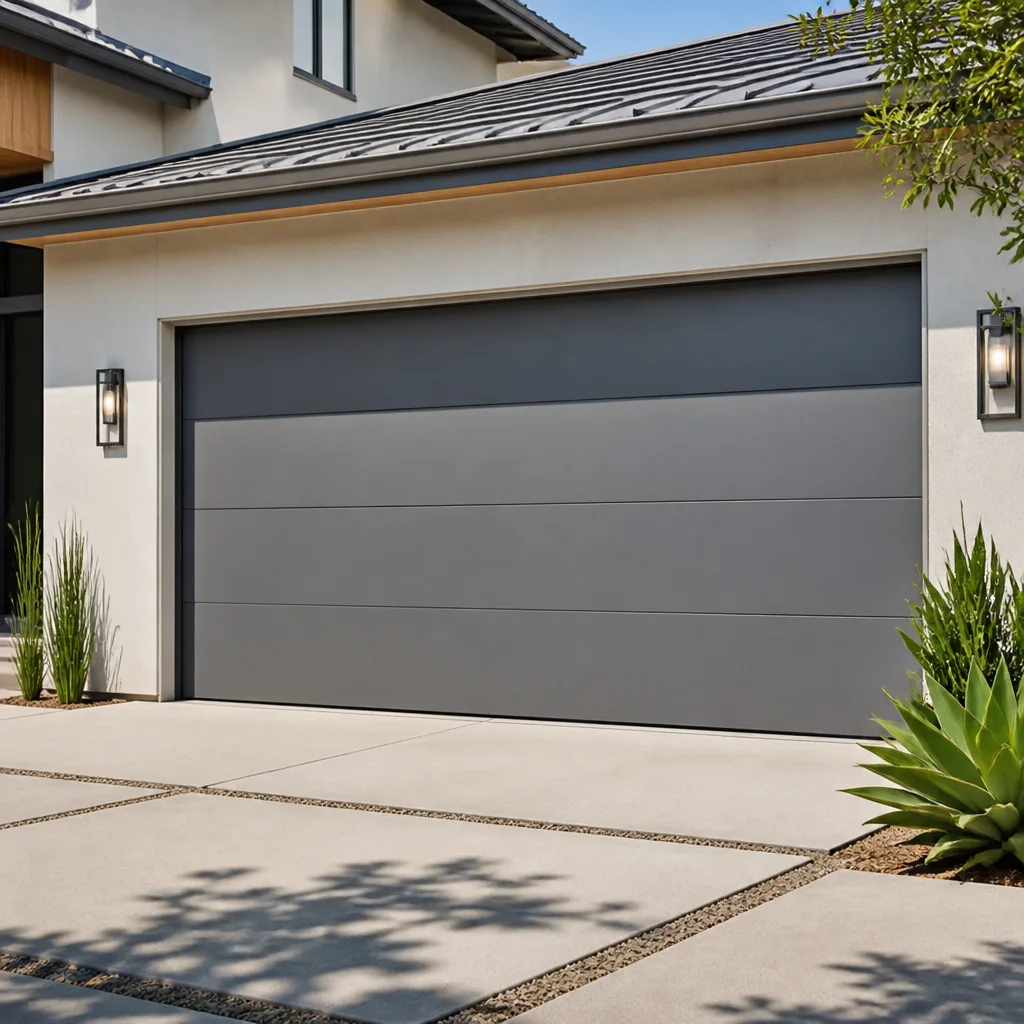
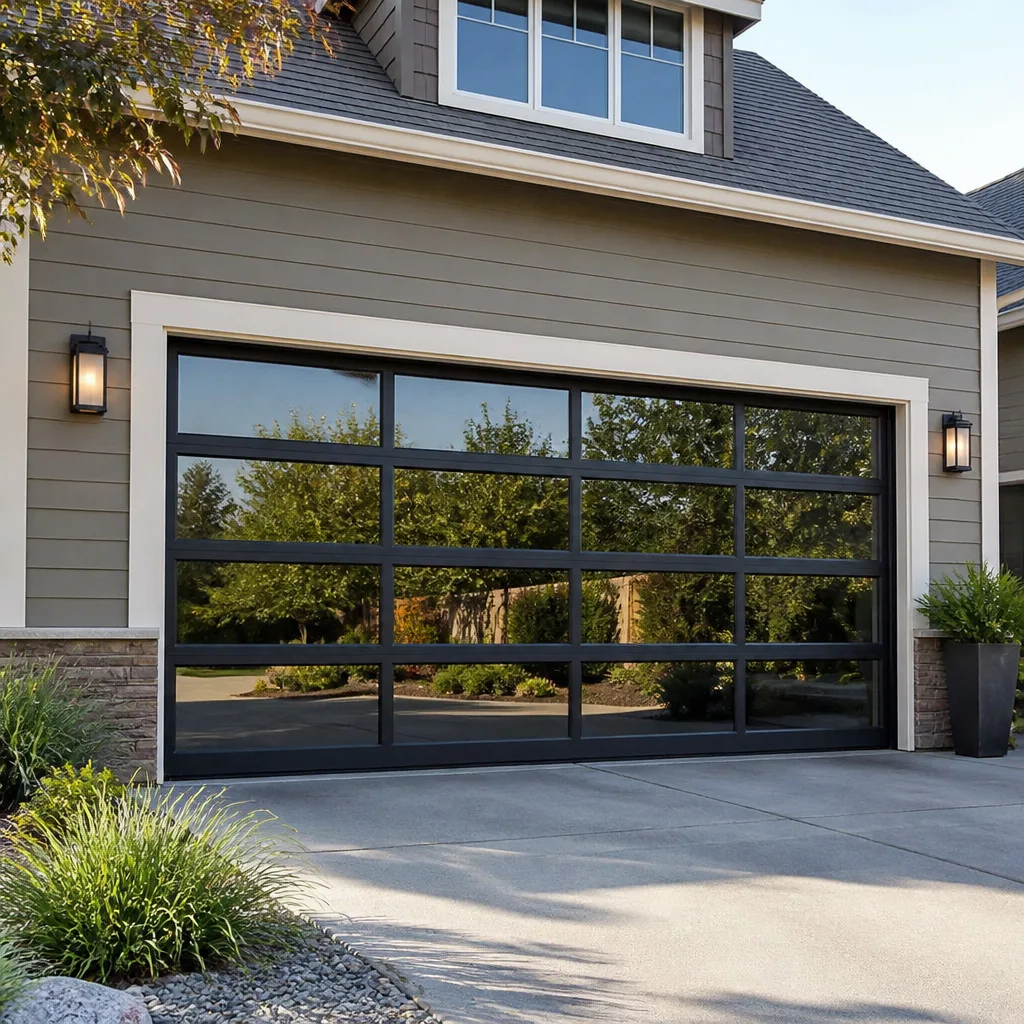
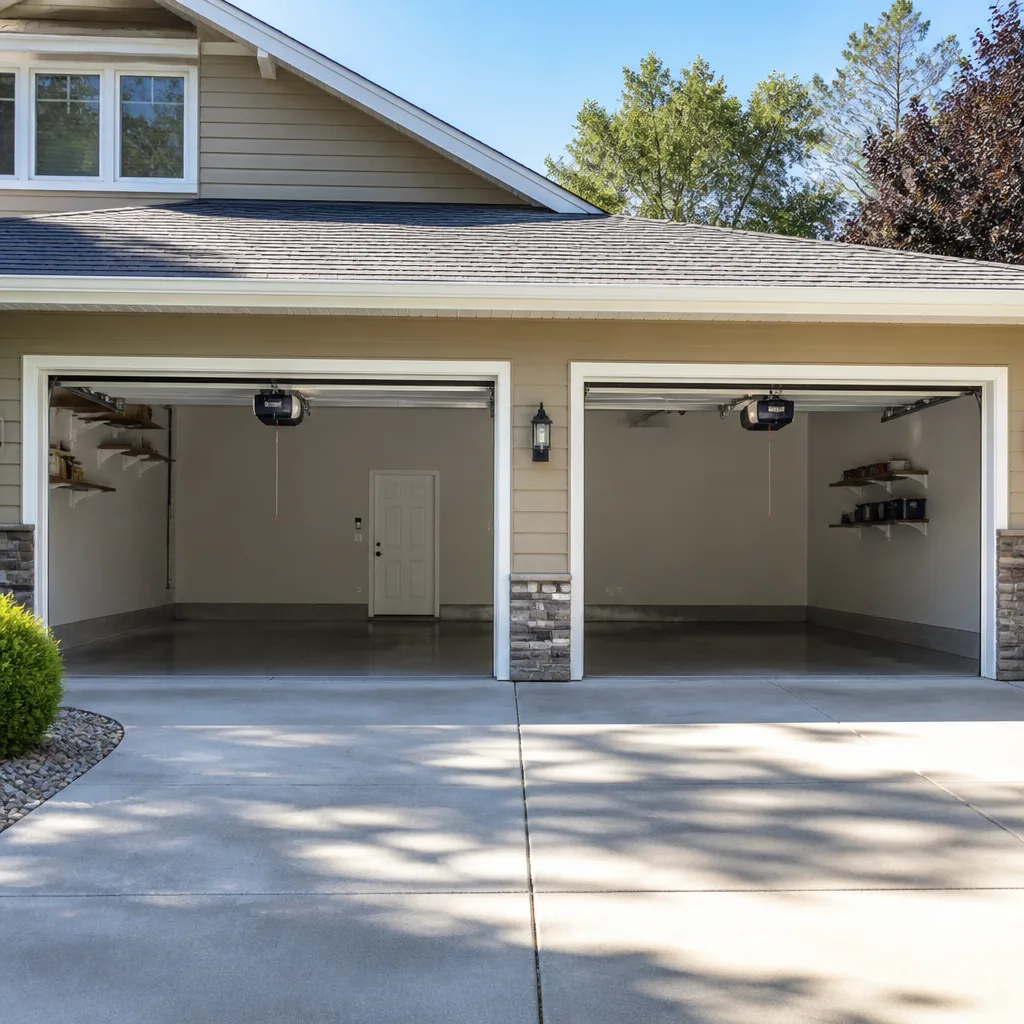
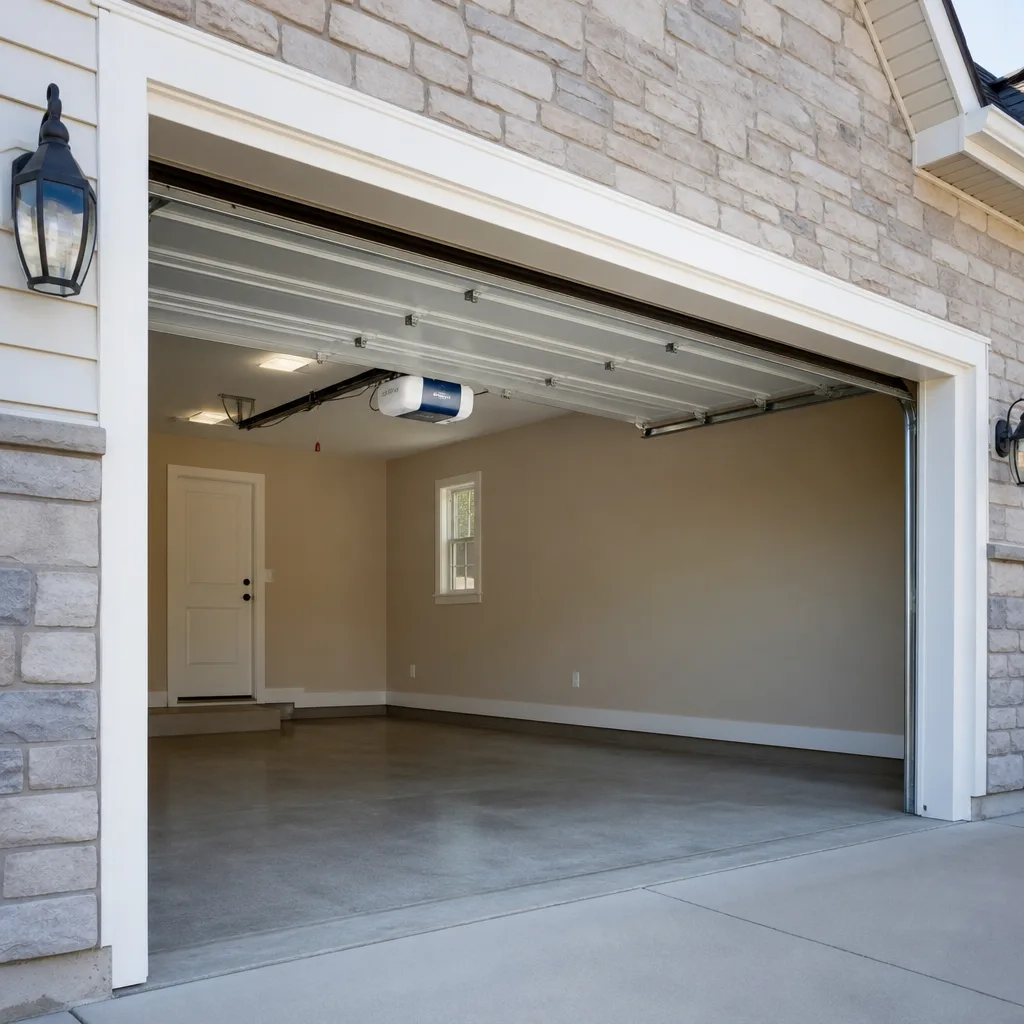
 Before
 After
After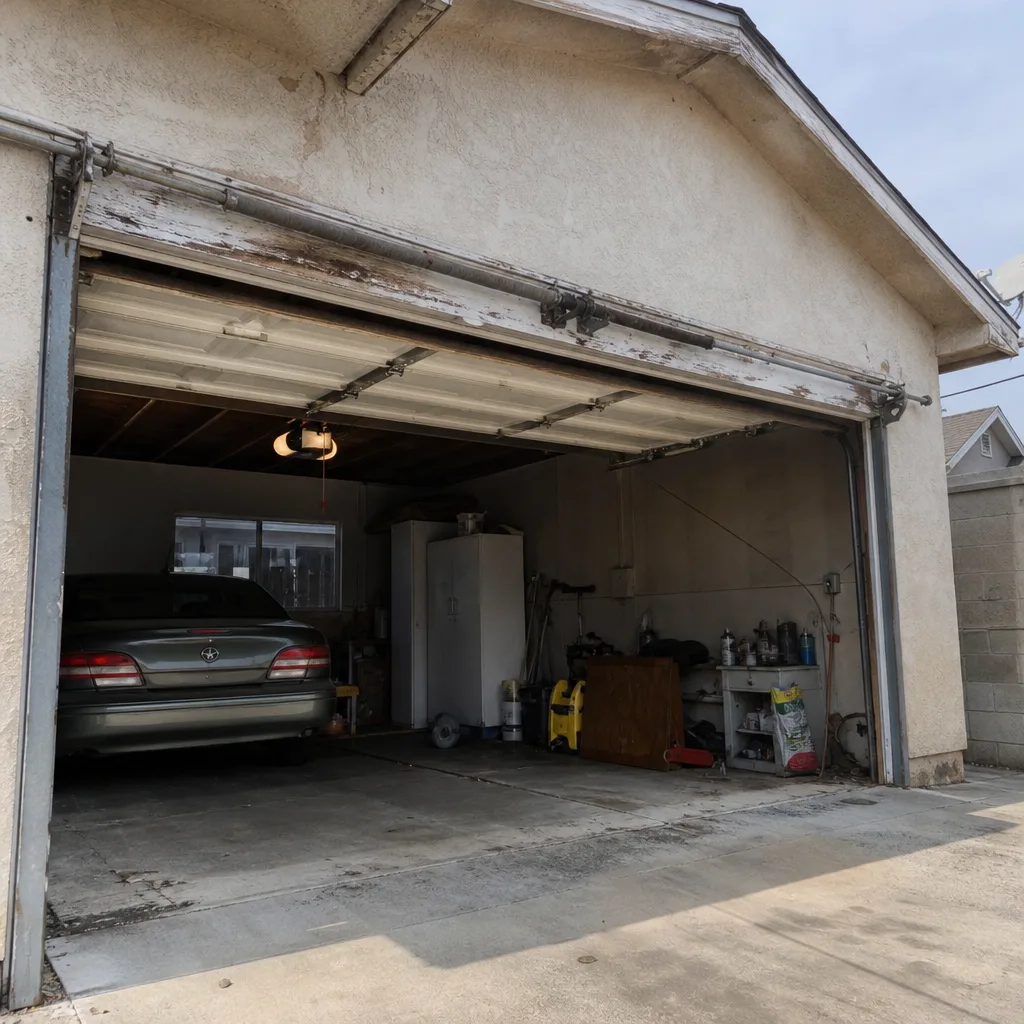 Before
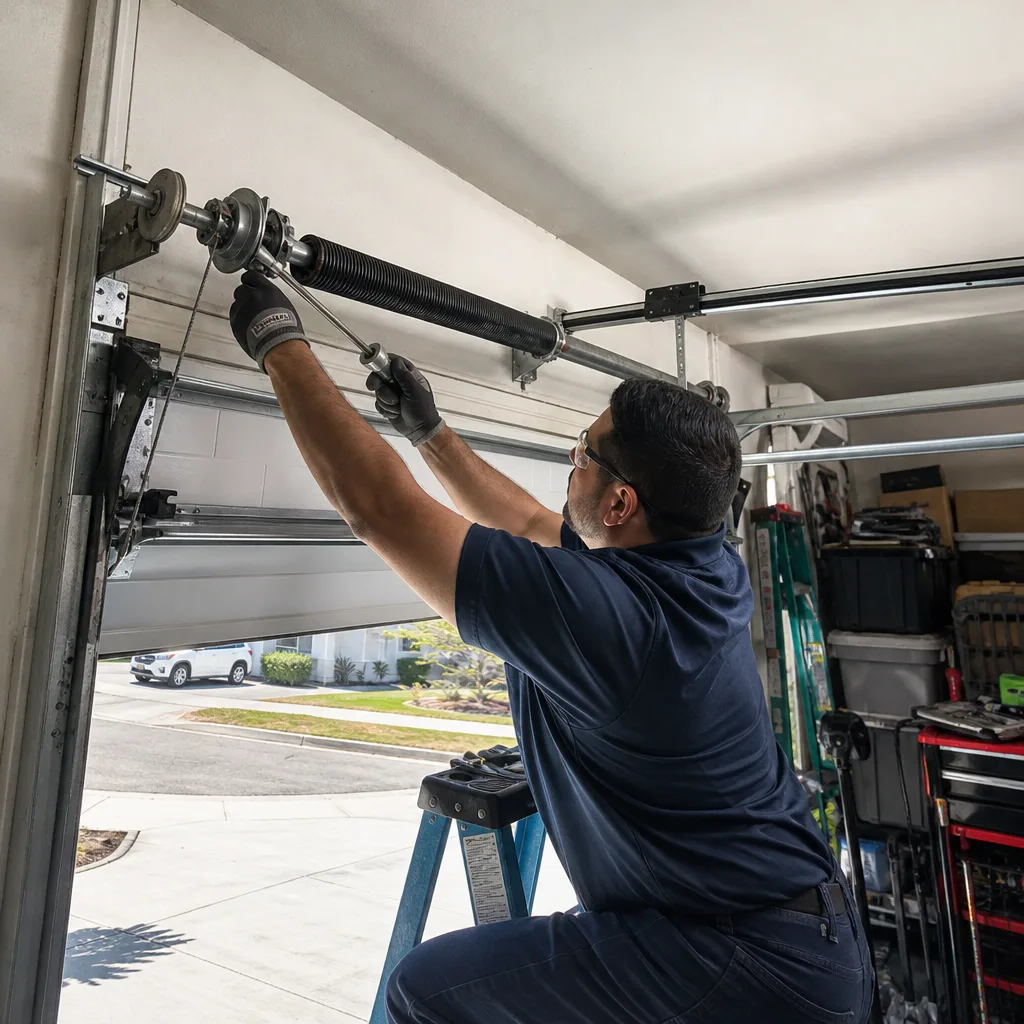 After
After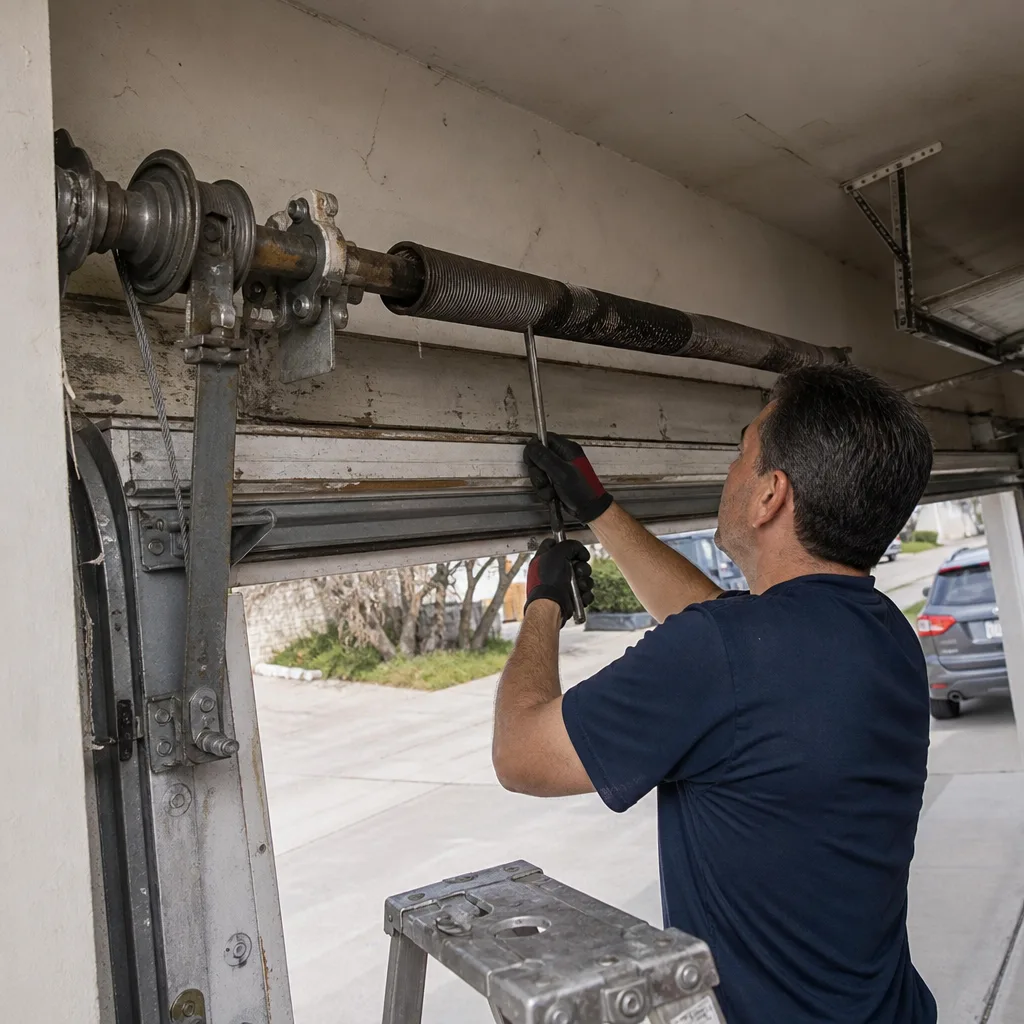 Before
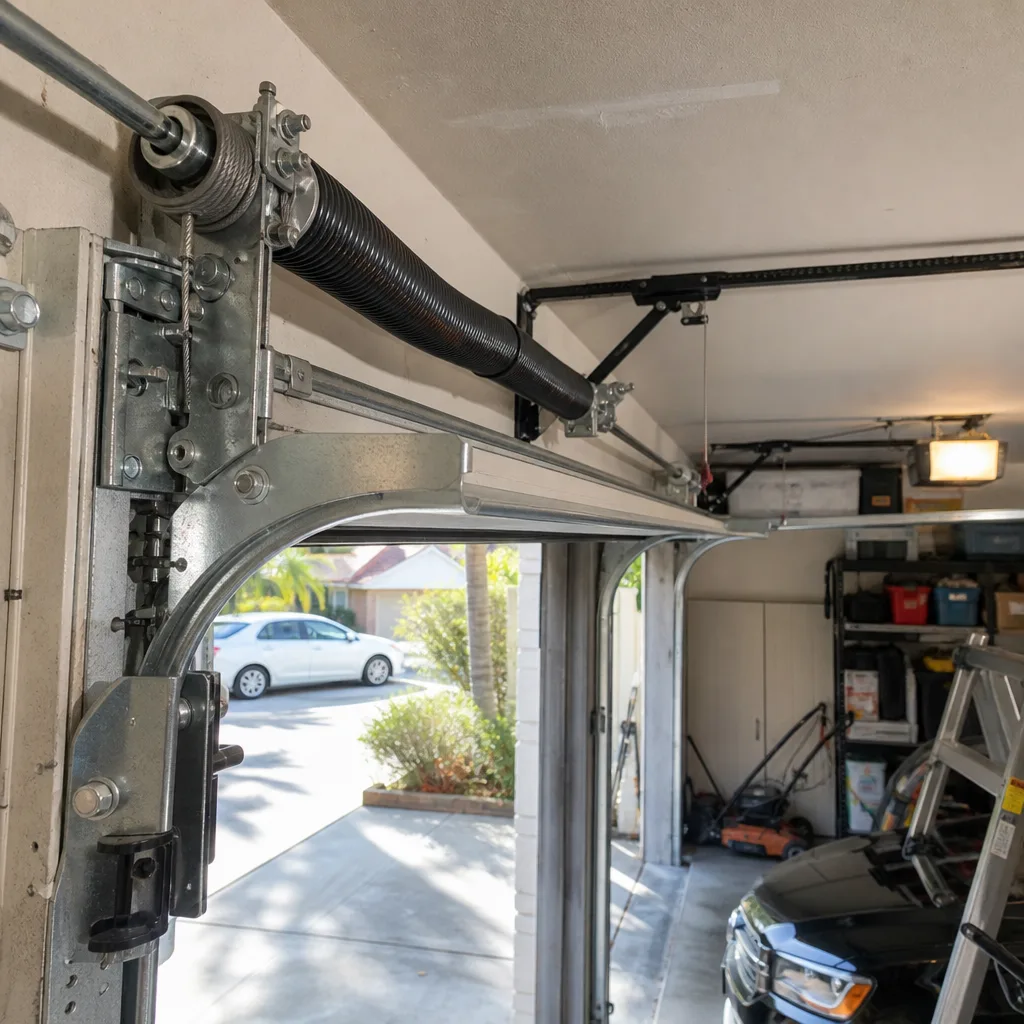 After
AfterHow Long Does Garage Door Installation Take? Timelines and What to Expect
The counterintuitive truth about garage door installation is that the part most homeowners worry about, the day the crew shows up, is almost never the part that causes delays. A standard single-door replacement in Los Angeles takes four hours or less on site. What stretches the project into multiple days, or even multiple weeks, is what happens during the three weeks before the tech ever backs a truck into your driveway. This guide walks you through the real timeline, including the decision points most contractors will not explain until it’s too late, so you can plan the project with your eyes open instead of finding out about a rotted header board at 9:00 on install morning.
Quick Answer
A standard garage door installation takes 2 to 5 hours on the day of the job, once the door is on hand. But the full timeline from first phone call to finished door typically spans 1 to 3 weeks, because most of that window is measure-and-order lead time, not labor. Custom sizes, odd openings, or a full system replacement including opener and tracks can add a day or stretch ordering to three weeks or more.
Table of Contents
- Phase One: Measure and Order (1 to 3 Weeks Before Install Day)
- Phase Two: Day-of Installation (2 to 5 Hours)
- Phase Three: Post-Install Adjustments and the First Week
- Door-Only Swap vs. Full System Replacement: Why It Adds Hours
- Structural Surprises That Delay Same-Day Installs
- How Los Angeles Climate and Codes Affect Installation Timing
- What a Written Pre-Work Scope Should Include
- Common Mistakes to Avoid
- When to Call a Professional
- Frequently Asked Questions
- The Bottom Line
Phase One: Measure and Order (1 to 3 Weeks Before Install Day)
This is the phase that catches people off guard, because it happens before anything looks like it’s happening at all. If you’re replacing a door with the exact same size and you’re fine with a stock model from Clopay or Wayne Dalton, the order can usually be placed same day and delivered within a week. But the moment your opening is a non-standard width, a custom height, or you want a specific panel design and window layout, the door is built to order and the factory lead time in the Los Angeles market runs two to three weeks before it even lands in the local warehouse.
Here’s what the phase actually involves:
- Measure. A tech measures the rough opening width, height, side room, and headroom. Headroom is the distance from the top of the opening to the ceiling, and it’s the one most people have never heard of. If you have less than 12 inches of headroom, you may need low-headroom track, which changes the door and the hardware that gets ordered.
- Select. You choose the door material, insulation rating, panel style, and finish. This is where the order gets built. A plain steel door ships fast. A custom Amarr wood-look door with windows takes longer.
- Order. The company places the order and the factory confirms a ship date. You should get that date in writing.
- Schedule. Install day is set once the door is physically in hand, not before. Any company that schedules the install before confirming the door has arrived is guessing.
Phase Two: Day-of Installation (2 to 5 Hours)
For a standard single-car door, plan on two to four hours. A double-wide door runs three to five. That assumes the crew is doing a door-only swap on existing tracks and the opening is square. In our experience across Los Angeles, the first hour is mostly removal and inspection, the middle is assembly and hanging, and the last hour is spring winding, balance testing, and opener integration if you have one.
A clean day-of timeline on a single door looks like this:
- 8:00 to 8:30: Remove the old door, panels, and any hardware being replaced. Inspect the header board, jambs, and floor for damage or rot.
- 8:30 to 10:00: Assemble new panels, attach hinges and rollers, and set the door in the opening.
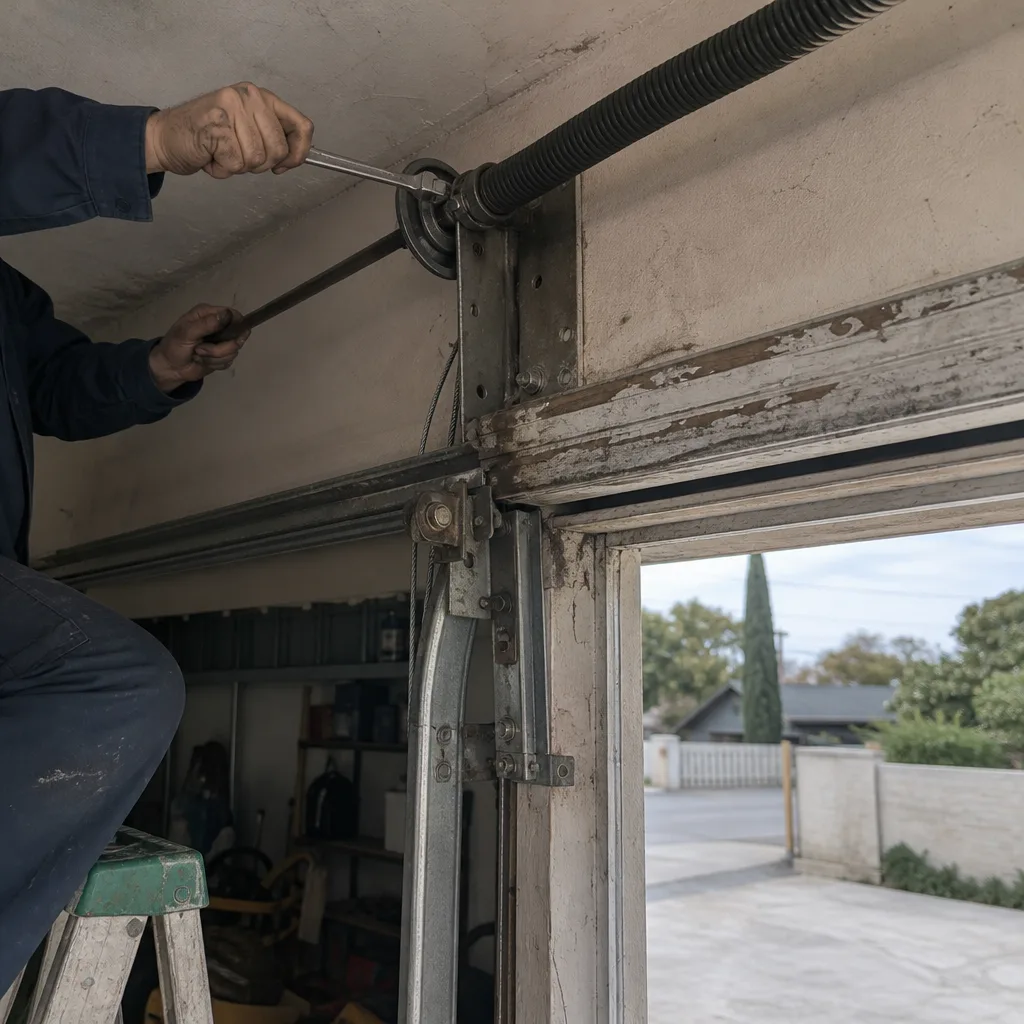
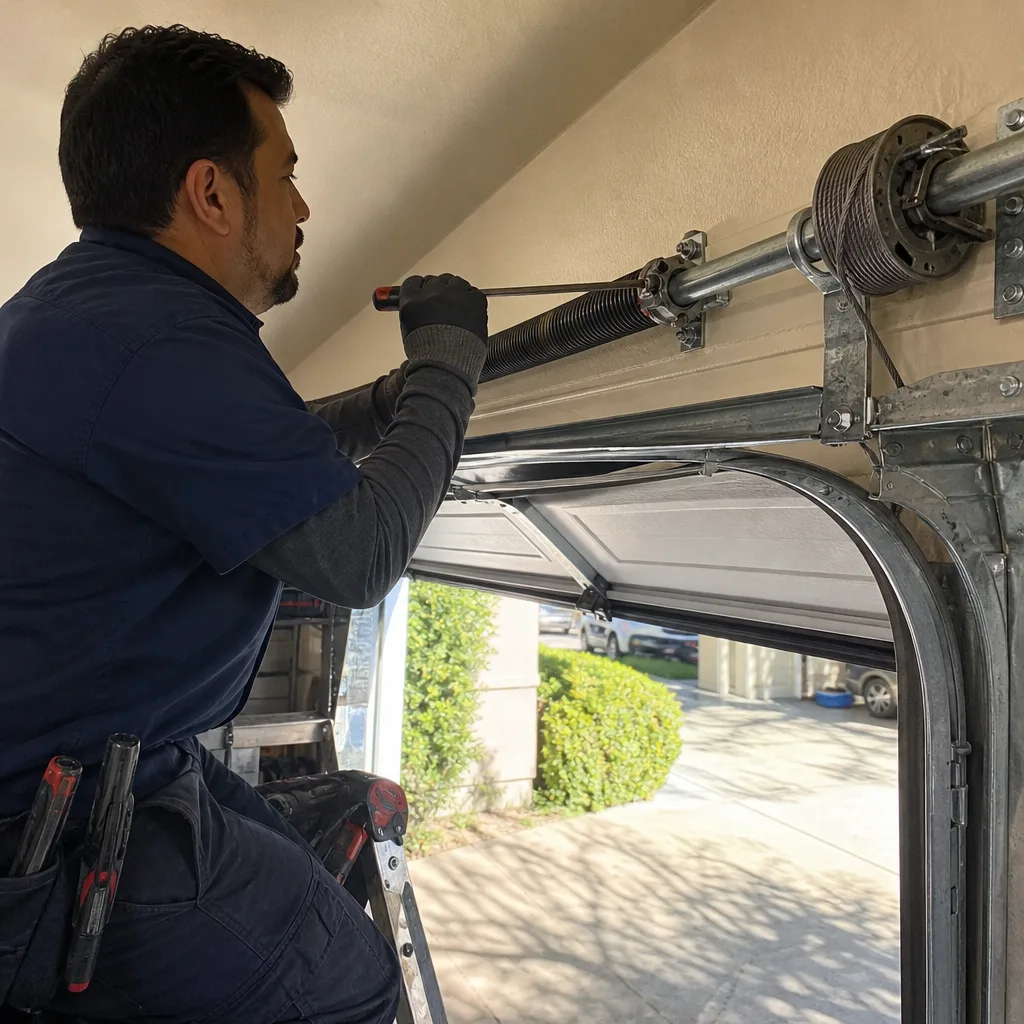
- 10:00 to 10:45: Install or adjust track, mount the torsion spring assembly, and wind the spring to the correct tension.
- 10:45 to 11:15: Mount the opener, connect the trolley carriage, set the limit switches so the door opens and closes fully without reversing, and run the safety reversal test.
- 11:15 to 11:45: Sweep, walk you through the operation, hand you the written scope if you’re with a company that provides one, and head out.
That’s the clean version. The dirty version, the one where install day turns into a second trip, is almost always about what’s behind the old door, not the new one.
Phase Three: Post-Install Adjustments and the First Week
You should expect the door to need one or two small adjustments in the first week after garage door repair or installation. That’s not a defect. A new door’s torsion spring, which is the large coil mounted above the door that does most of the heavy lifting, settles slightly under initial use. The limit switch on a new opener, the component that tells the motor when to stop pushing, sometimes needs a half-turn tweak after cables and rollers seat in.
What that looks like in practical terms:
- Day 1 to 3: The door may open slightly slower or stop a half-inch shy of flush as components bed in. This is normal. Run it through a full cycle a few times and see if it evens out.
- Day 4 to 7: If the door reverses when it hits the floor, or stops an inch short, the down limit needs a nudge. If it struggles on the way up, spring tension needs a quarter-turn adjustment. Both are ten-minute fixes.
- First 30 days: Watch for any grinding, uneven gaps at the bottom, or a door that starts to drift downward when open. Those are not normal and should be addressed immediately.
A written guarantee matters here. Doyle Garage Door Repair home covers every installation with the 365-Day Done Right Promise, which states in exact terms: 365 days from the date of repair, if it fails, we come back and make it right at no charge. If the second visit fixes it, there’s no invoice. If the same issue recurs within the year, the guarantee still applies.
Door-Only Swap vs. Full System Replacement: Why It Adds Hours
There’s a meaningful difference between taking a door off existing tracks and hanging a new one, versus tearing out everything and starting fresh. A door-only swap, where the track, springs, and opener stay in place, is the fastest path. The old door comes off, the new one goes on, and you’re done in two to three hours.
A full system replacement is a different animal. That means new track, new torsion spring assembly, new opener, new safety eyes, new cables, and often new weatherstripping. Every single one of those components has to be installed, aligned, and tested in sequence. Plan on four to six hours for a full system, and understand that if the opener is being replaced at the same time, the tech has to take down the old motor, re-run the wiring to the wall button and safety sensors, and program the keyless entry pad. None of that is hard. None of it is fast.
Here’s a rough time adder for common add-ons:
- New opener: adds 45 to 90 minutes.
- New track and springs: adds 60 to 90 minutes.
- New safety sensors or wiring: adds 30 to 45 minutes.
- Removing and disposing of an old wood door: adds 20 to 30 minutes, more if it’s waterlogged.
Structural Surprises That Delay Same-Day Installs
The single most common reason a “simple” garage door installation in Los Angeles gets pushed to a second day is structural damage behind the old door. Rotted header boards, the horizontal beam above the opening that carries the door’s weight, are everywhere in older LA homes, especially in neighborhoods with stucco exteriors that trapped moisture over decades. When the tech unbolts the old track and finds the header soft, the right move is to stop and repair it before mounting anything new.
Other surprises that turn install day into a two-day project:
- Out-of-square rough opening. If the garage slab settled and the opening is no longer a clean rectangle, the new door needs shims and custom trim work to seal correctly. That’s not a complicated fix, but it adds an hour or two.
- Hidden termite damage. In Los Angeles, termite activity in garage frames is common. A door company doing its job will flag it and recommend treatment before installing over compromised wood.
- Insufficient headroom discovered during demo. The old door may have been a weird custom setup that a previous owner made work. A proper install may require low-headroom track, which is a different part number than what’s in the truck.
- Electrical problems on the opener circuit. An outlet that worked with the old opener can fail under the new one’s load, which means an electrician or at least a pause to trace the circuit.
This is why a pre-install inspection matters. We look at the header, the jambs, the floor, and the electrical before we ever schedule the install, so the day-of surprises are the ones nobody could see, not the ones someone ignored because it was faster to take the job and deal with it later.
How Los Angeles Climate and Codes Affect Installation Timing
Los Angeles garage door installs happen in a climate that is kind to steel and less kind to wood. The low humidity means metal components don’t rust the way they do in coastal Florida or the Pacific Northwest, but the summer heat does something specific: it expands metal track and panels. That sounds academic until you’re trying to get a door’s tracks perfectly plumb on a 95-degree afternoon, when a rail that was straight that morning has a slight bow by noon.
What this means for timing in practical terms:
- Early-morning installs run cleaner. Metal is closer to its cool, dimensionally stable state before midday heat. Track alignment done at 8:00 a.m. holds better than alignment done at 3:00 p.m.
- Wood doors need acclimation. If you’re installing a wood door, which is rare in Los Angeles but happens on high-end custom homes, it should sit in your garage for 24 to 48 hours before install so it can adjust to the local moisture level. Installing it straight off the truck leads to warping in the first season.
- Los Angeles building code requires opener safety features. The photoelectric eyes that reverse the door when something crosses the beam are mandatory, and they need to be installed at the correct height. A tech who skips or rushes this step isn’t just violating code, they’re creating a real hazard for children and pets.
For Grandview residents specifically, summer schedules fill up fast. If you’re in Garage Door Installation in Grandview territory and you want a morning slot in July or August, call early. The window with cool metal and predictable alignment is the first one booked.
What a Written Pre-Work Scope Should Include
The single best predictor of whether an installation finishes on time is whether the company gives you a written scope before anyone touches a tool. A verbal estimate, even a friendly one, is not a scope. A scope is a document that says exactly what will be done, what materials are being used, what it costs, and what happens if something unexpected is found.
A proper written scope for a garage door installation should include:
- Exact door model, size, and color, so you can verify what arrives matches what you ordered.
- Full line-item pricing, including labor, materials, haul-away of the old door, and any permits if required.
- A stated price lock, meaning the number on the page is the number you pay unless you approve a change in writing.
- The tech’s name and photo. When a Los Angeles homeowner sees a name and face before the visit, that tells you the company has done its scheduling homework and knows exactly who is coming. The Threshold Standard, which governs how our techs are vetted, includes a background check and identity verification on every technician, plus a photo ID badge shown at the door. The name and photo are sent to you before the tech leaves the shop.
- Contingency language. What happens if the header is rotted? What happens if the opening is out of square? The scope should tell you how those situations are priced, not leave them to be negotiated on the spot.
Doyle Garage Door Repair puts the price in writing before any work starts, on every job. It’s not a courtesy. It’s the only way a customer can compare the quote to the final invoice and know nothing moved unless they approved it. If your installer can’t produce a written scope before the first bolt turns, assume the final number is going to be a surprise.
Common Mistakes to Avoid
- Ordering the door after demo day. If the tech shows up to install and the door hasn’t been ordered yet, you’ve just converted a four-hour job into a three-week job. The order goes in first, install gets scheduled after the door is in hand.
- Skipping the pre-install inspection. A rotted header found during the inspection adds a day before install. A rotted header found during install adds a week. The inspection is not where companies pad the bill; it’s where they prevent the bill from growing.
- Assuming a “same-day install” promise means what it sounds like. In Los Angeles, same-day usually means the tech comes same day and likely does a measure or assessment. Nobody is stocking custom Clopay doors on a truck. If a company promises same-day install on a door you haven’t measured, ordered, and scheduled, that’s a red flag.
- Ignoring headroom before choosing a door. Some Los Angeles garages, particularly in older bungalow and Spanish Revival homes, have low ceilings. A standard-radius track needs about 12 inches of headroom. If you don’t have it, you need a different track kit and likely a different door.
- Not asking who is coming to the house. The person installing your door has access to your garage, your interior door to the house if it’s connected, and often your alarm code to disarm the garage zone. You should know their name and what they look like before they ring the bell. If a company won’t tell you, call someone else.
- Scheduling the install around a tight window after work. A four-hour install that runs into an unexpected shim job doesn’t fit in the 90 minutes before your kid’s soccer practice. Leave buffer. The tech is not going to cut corners to hit your dinner reservation, and you don’t want them to.
When to Call a Professional
Garage door installation is not a weekend DIY project, and the reason is not that it’s hard to bolt panels together. The reason is the torsion spring. That large coil above the door stores an enormous amount of energy, and when it’s wound incorrectly or released without the proper winding bars, it can cause serious injury in an instant. The same goes for working under a door that could drop if the spring lets go. This is a genuinely dangerous component. If your installation involves replacing the spring, the track, or the opener, call a trained professional. Doyle Garage Door Repair offers free estimates in Los Angeles, including Grandview, at (910) 858-8029. We also handle Garage Door Opener Repair in Grandview and Garage Door Repair in Grandview when the opener or an existing door fails and you need it back in service.
Frequently Asked Questions
A standard single garage door installation typically takes 2 to 4 hours on site once the door is delivered and the opening is in good condition. A double door or a full system replacement runs 4 to 6 hours. This time does not include the 1 to 3 weeks of ordering lead time that typically comes before install day.
In almost all cases, no. The door has to be measured, ordered from the manufacturer, delivered, and then scheduled. For stock doors in common sizes, the fastest realistic turnarounds in Los Angeles are 3 to 5 business days. Anything faster usually means the company found a door in a local warehouse that is close enough to your size, which works for simple replacements but not for custom openings.
The 1 to 3 week timeline is order lead time, not labor. Custom-sized doors, specific panel designs, and certain insulation options are built to order at the manufacturer. That factory production and freight transit to the Los Angeles market is what fills most of the window. The physical install on the scheduled day is still just a few hours.
It should not, as long as the company did a pre-install inspection and gave you a written scope. If rot, termite damage, or an out-of-square opening is discovered after work starts, a good company stops, shows you the issue, and gets your written approval on any change before proceeding. Doyle Garage Door Repair puts every price in writing before work begins, and the number does not move unless you approve it.
For a scheduled installation, yes. The door, track, springs, opener, and hardware are loaded from the warehouse the day before install. For a repair call, the truck stocks the most common torsion spring sizes, rollers, hinges, and opener parts, but a specialty door or an unusual spring size may require a second trip.
During the summer months, book 3 to 4 weeks out if you want an early-morning slot, which is the best time for track alignment because the metal components have not yet expanded in the heat. In the cooler months, 2 weeks is usually enough. If you are flexible on timing, call (910) 858-8029 and a live person can tell you the current schedule for Los Angeles and Grandview.
The Bottom Line
Garage door installation in Los Angeles is a three-phase project. Phase one, measure and order, takes one to three weeks. Phase two, the on-site install, takes two to five hours. Phase three, the first-week adjustment period, takes a few minutes of attention and maybe one small service call. The projects that go sideways are almost always ones where phase one was rushed or skipped, where the header board was never inspected, or where the customer picked a company that promised speed over process. Plan for the lead time, insist on a written scope, and know who is coming to your house before they arrive. For more guides & resources on garage door projects, visit our blog. Do those three things and install day is the boring part, which is exactly what it should be. Call (910) 858-8029 for a free estimate and a written quote before any work starts.
Written by Aaron Teague, Owner at Doyle Garage Door Repair, serving Los Angeles since 2001.