
Last updated October 9, 2026
Full 25-point door and opener safety check with every visit - springs, cables, rollers, tracks, and your LiftMaster or Chamberlain opener included
You get a price before we start. It does not change when the truck arrives.
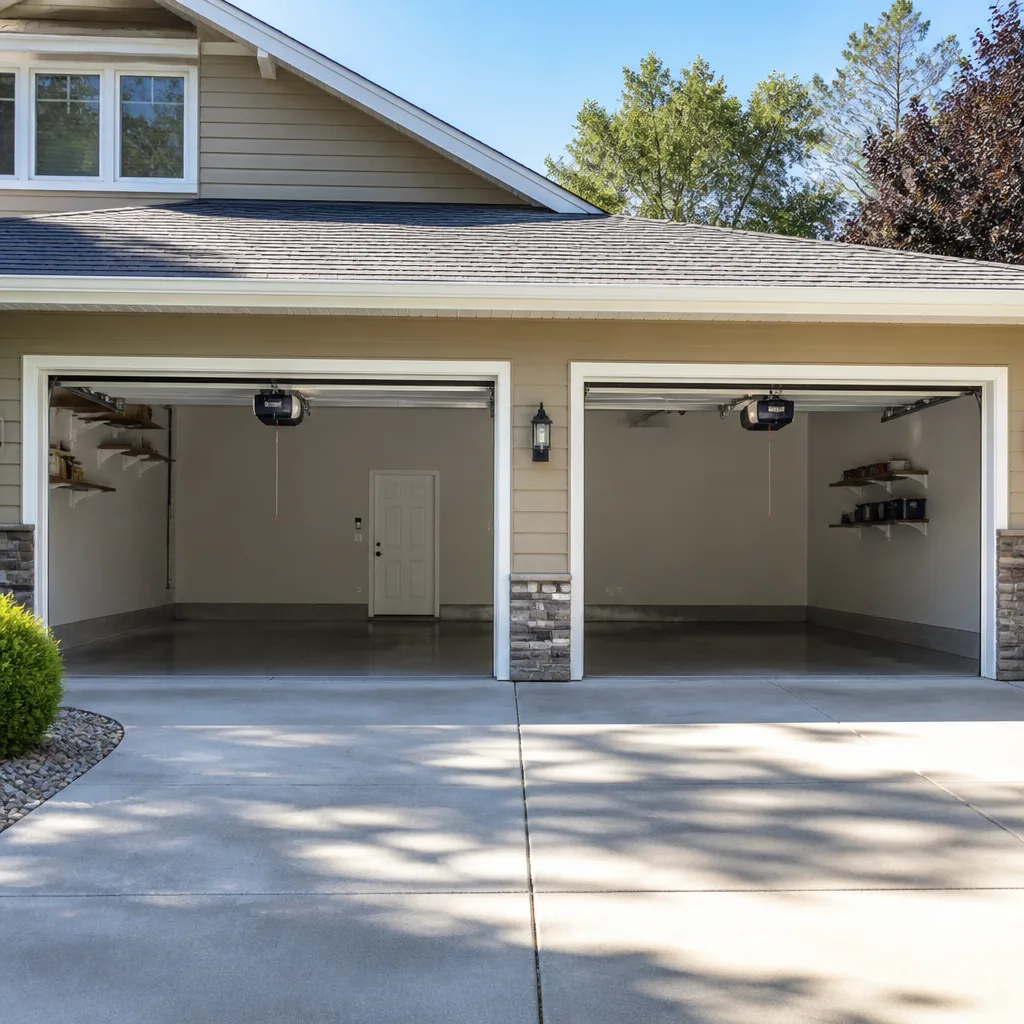
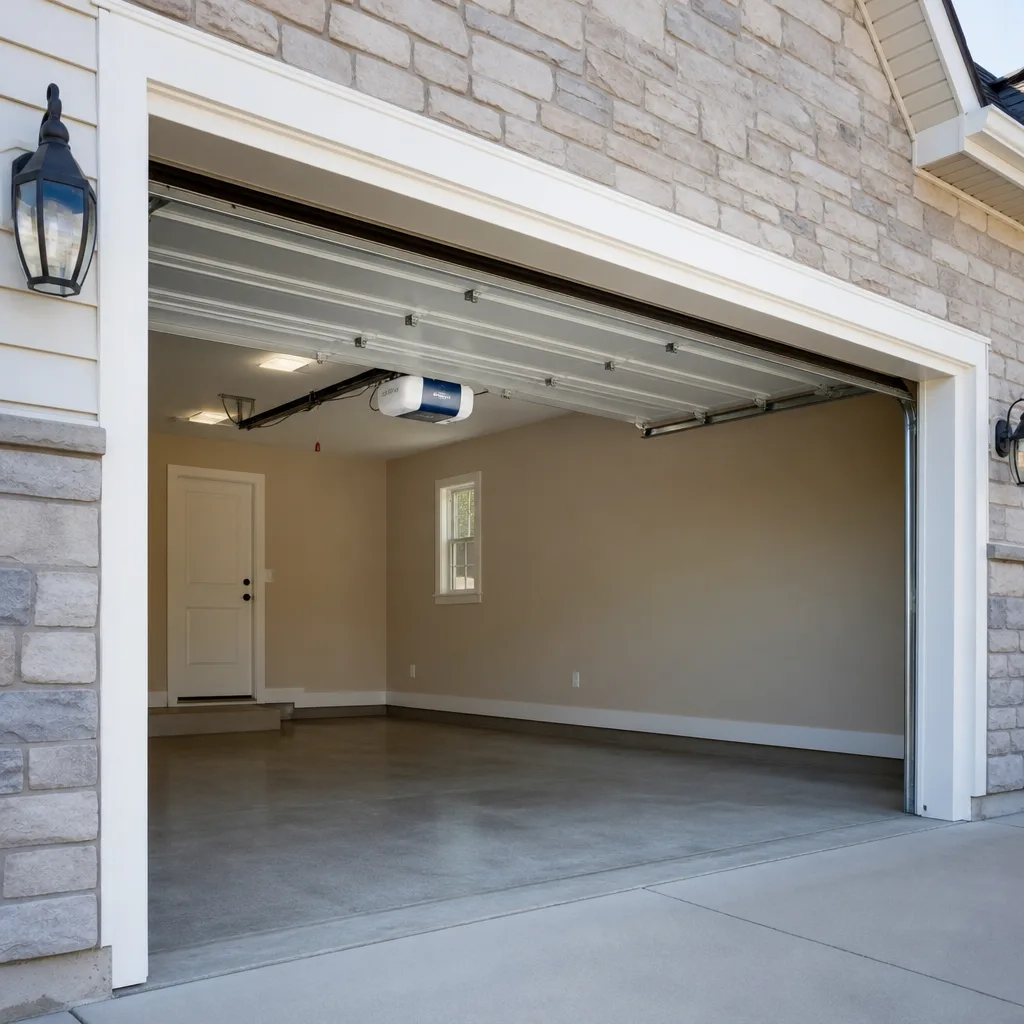
 Before
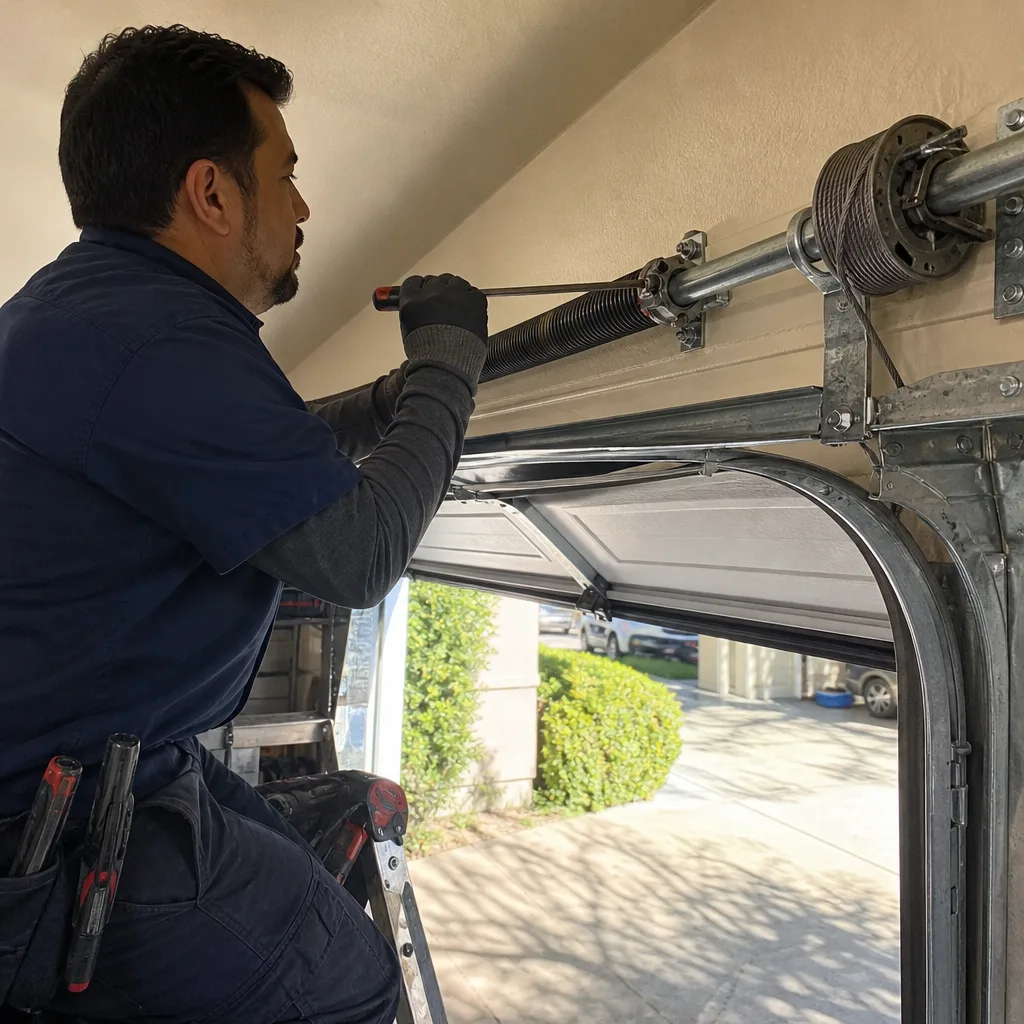 After
After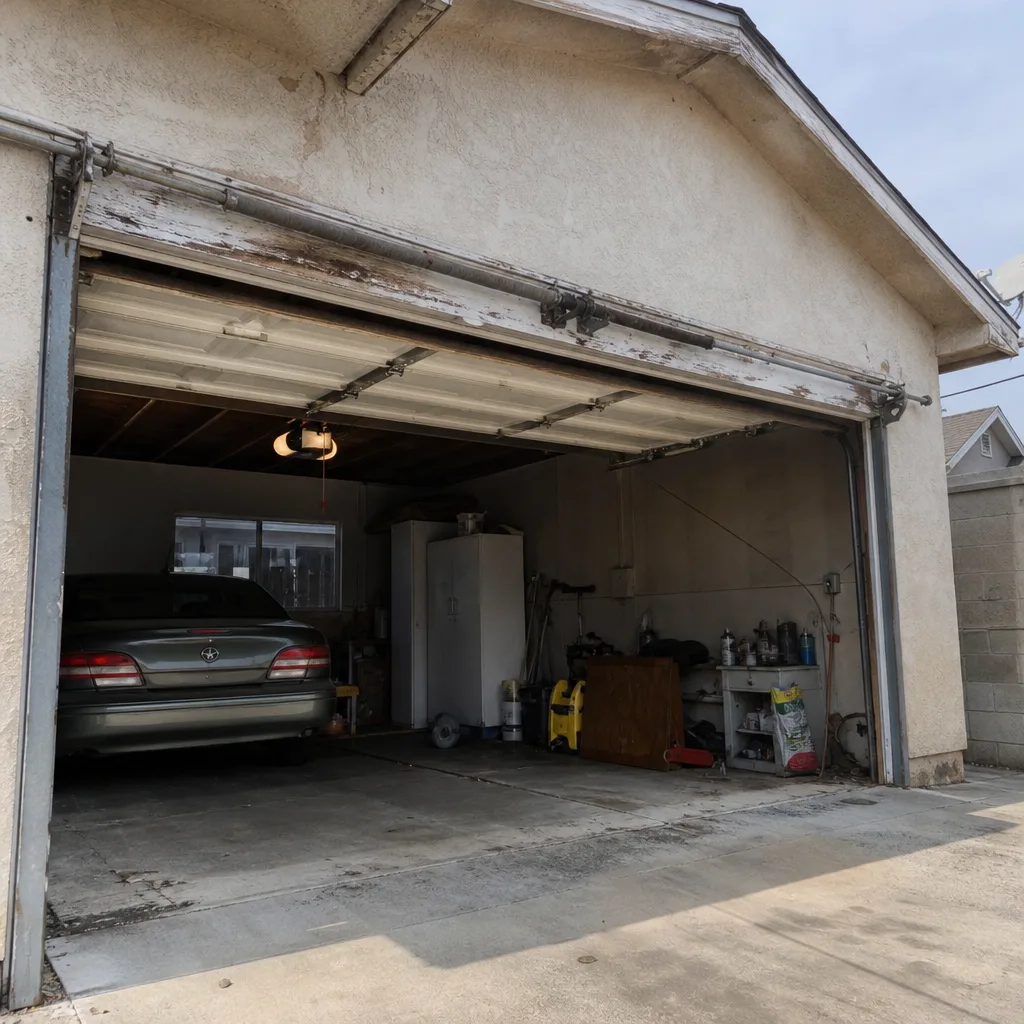 Before
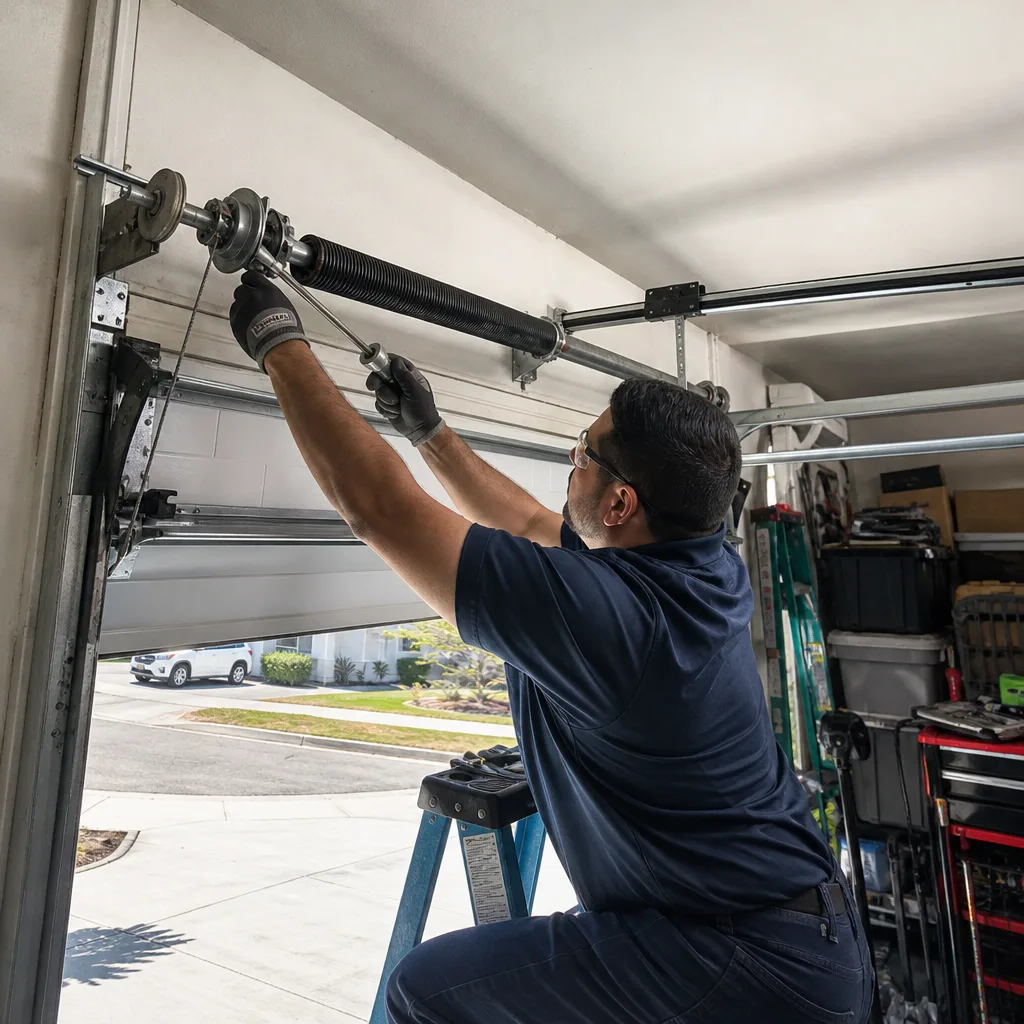 After
After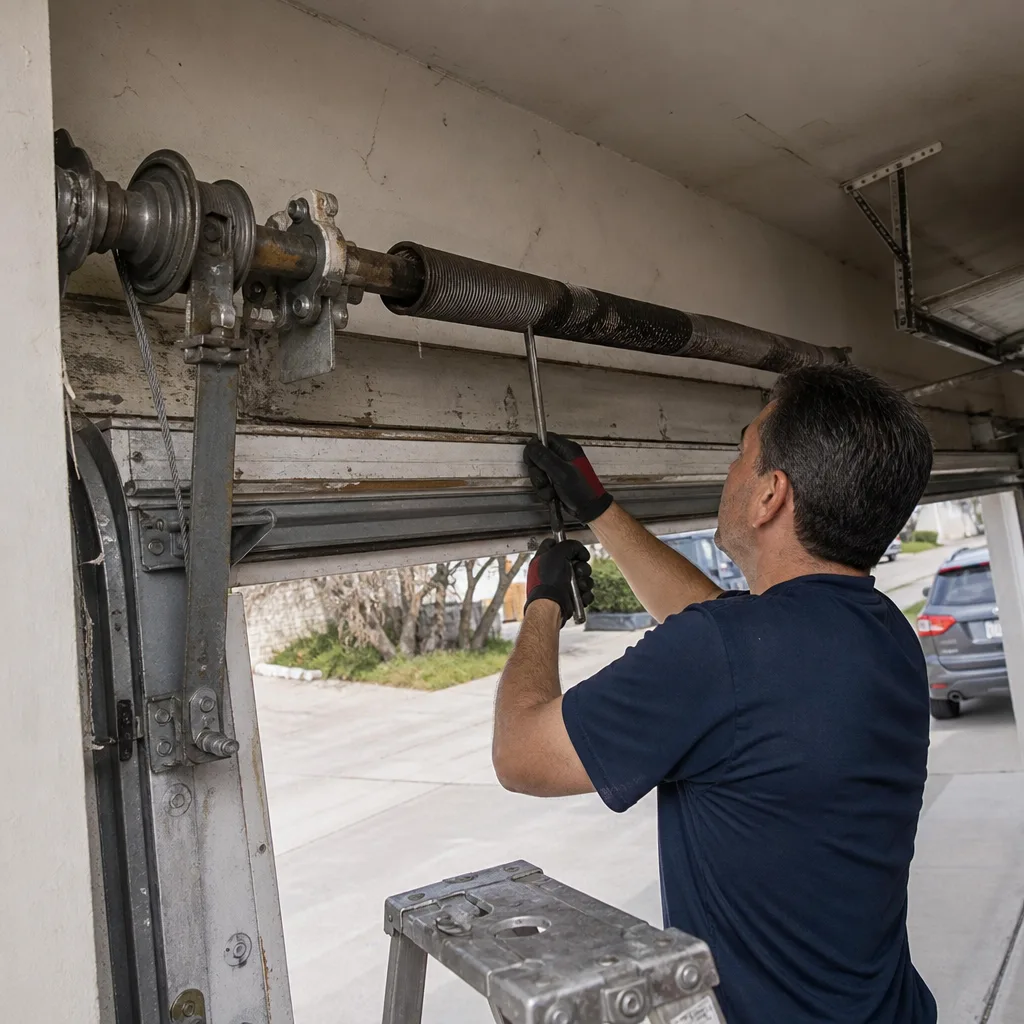 Before
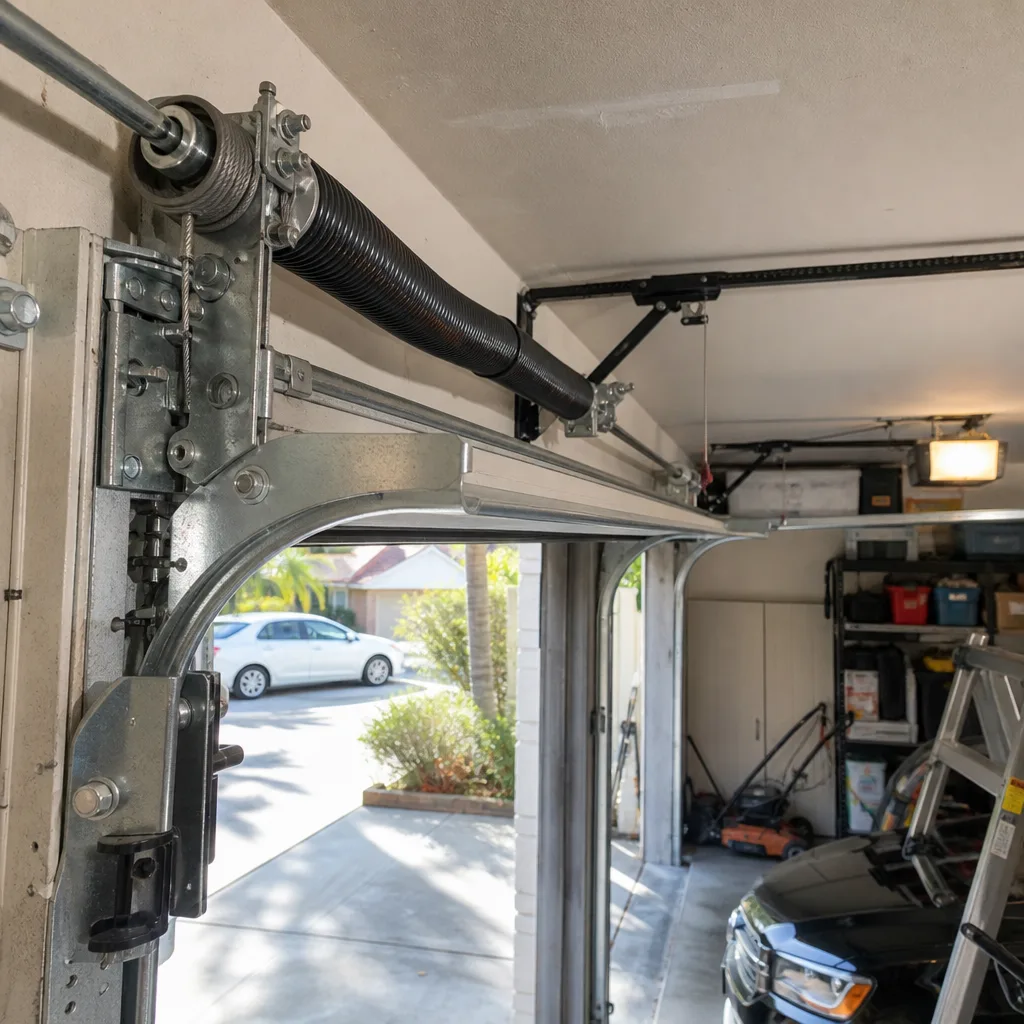 After
AfterGarage Door Permits, Codes & Inspections in CA: What You Need to Know
Most Los Angeles homeowners assume a garage door swap is like replacing a faucet. Pull the old one off, bolt the new one on, done. Then the home inspector at resale finds a door that doesn’t meet California’s fire separation requirements, or a buyer’s agent pulls the permit history and sees nothing on file. Suddenly a $1,800 door replacement becomes a $6,000 negotiating chip for the buyer, or worse, a deal-killer. This guide walks you through exactly when California code requires a permit, when it doesn’t, what inspectors actually check, and how to protect yourself whether you’re replacing a door now or inheriting a problem from the previous owner. For more guides & resources, see our blog.
Quick Answer
In California, a garage door replacement generally requires a permit when the opening size changes, when structural framing is modified, or when the door between the garage and living space is being replaced with a non-fire-rated unit. Simple swaps of the overhead vehicle door using the existing opening and existing framing are typically exempt, but the fire separation door leading from the garage into the house is a stricter matter entirely. Those requirements come from California Residential Code Section R302, and the specifics vary depending on whether you’re in the City of Los Angeles or unincorporated Los Angeles County.
Table of Contents
- When California Actually Requires a Permit for Garage Door Work
- Fire Separation Requirements: The Door Between Your Garage and Your House
- LA County vs. City of Los Angeles: Which Building Department Do You File With?
- UL 325 Opener Safety Standards and What They Mean for California Homeowners
- Bought a Home With an Unpermitted Garage Door? How to Fix It Retroactively
- What Code-Compliant Garage Door Inspections Actually Cost in Los Angeles
- Why Los Angeles Climate and Geography Affect Your Garage Door Code Compliance
- Common Mistakes to Avoid
- When to Call a Professional
- Frequently Asked Questions
When California Actually Requires a Permit for Garage Door Work
Most online sources get this wrong. They either claim every garage door replacement needs a permit (not true) or that none do (also not true). The actual line is drawn by the California Residential Code and it comes down to one question: are you changing the structure or just swapping equipment?
A permit is required in California when:
- The rough opening size changes. If you’re enlarging or reducing the framed opening that the door sits in, you’re modifying structure. That’s a permit, full stop.
- You’re adding a new garage door where there wasn’t one before. Converting a carport to a garage, or cutting a new opening in a wall, is structural work.
- You’re altering the header above the opening. The header carries the load of the roof or second floor, and touching it without approval is both dangerous and illegal.
- You’re replacing the fire separation door between the garage and the house with an unlisted or non-fire-rated unit. This is where Los Angeles homeowners most often trip up.
- Your local jurisdiction specifically requires it. Some cities add their own overlays on top of state code, and Los Angeles is one of them.
A permit is generally not required when:
- You’re replacing the overhead vehicle door with a new door of the same size in the existing opening, with no framing changes. This is considered a like-for-like equipment swap.
- You’re replacing the garage door opener, provided the new opener meets current UL 325 standards (covered below).
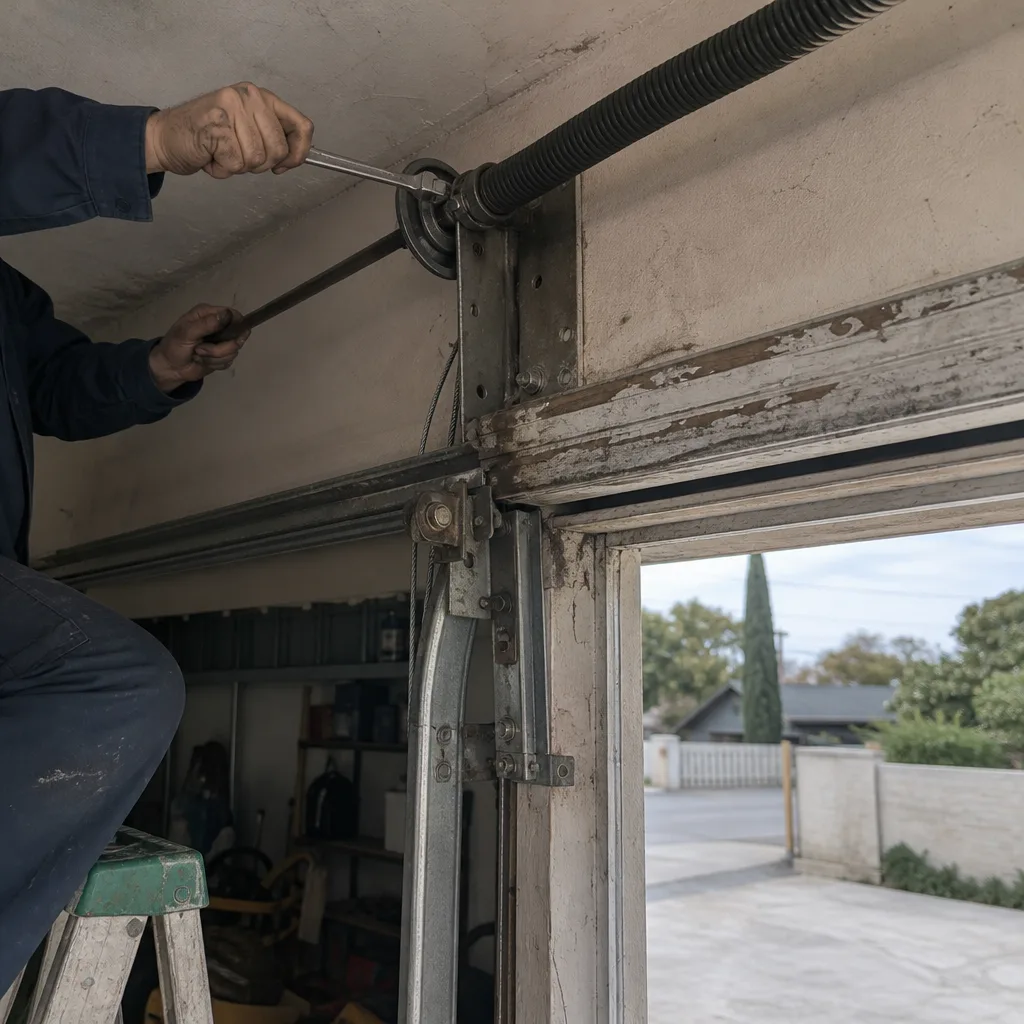
- You’re replacing weatherstripping, rollers, hinges, or the torsion spring. The torsion spring, for reference, is the large coil mounted above the door that does most of the lifting. These are maintenance items, not structural changes.
- You’re replacing the door panels on an existing sectional door without changing the track or opening. Most panel replacements are repairs, not new installations.
In our experience servicing garage doors across Los Angeles, the confusion usually comes from contractors who either want to avoid the permit fee or don’t know the code themselves. A reputable door company will tell you up front whether the job triggers a permit. If a contractor waves off the question with “you don’t really need one for this,” get a second opinion. When the resale inspector flags it later, that contractor’s opinion doesn’t matter.
For homeowners in the Grandview area specifically, the same rules apply as the rest of the City of Los Angeles. You can read more about our local repair services on our Garage Door Repair in Grandview page.
Fire Separation Requirements: The Door Between Your Garage and Your House
This is the single most expensive code violation we see in Los Angeles homes, and most homeowners don’t even know it exists until a home inspector points it out. California Residential Code Section R302 has very specific language about the wall and door that separate an attached garage from the living space, and the logic is straightforward: garages hold cars, fuel, paint, cleaning chemicals, and lawn equipment. If you’re unsure whether your setup meets current standards, our Garage Door Repair Maintenance Checklist for Los Angeles Homeowners covers what to verify. If a fire starts in the garage, the code wants to slow it down before it reaches your family.
Here are the requirements that apply to the door between your garage and your house:
- It must be either a solid wood door at least 1-3/8 inches thick, a solid or honeycomb-core steel door at least 1-3/8 inches thick, or a 20-minute fire-rated door. Hollow-core interior doors are not code-compliant in this location.
- It must be self-closing. A spring-loaded hinge that pulls the door shut on its own is the standard way to satisfy this. A door that stays open when you walk through it means anyone in the house is exposed to a garage fire longer than code allows.
- It must be self-latching. The door should click into the strike plate without extra effort, so it stays closed during a fire.
- It cannot have a pet door cut into it. A hole in the door defeats the fire separation entirely, and yes, inspectors catch this all the time.
- The door must not open directly into a sleeping room. If your garage leads straight into a bedroom, the code requires a deeper separation strategy that usually involves an intervening space.
What happens when the door isn’t compliant? During a pre-sale home inspection, the buyer’s inspector will flag it as a code violation. The buyer then asks for a repair credit, or in a competitive market, they use it as leverage to renegotiate. We’ve seen deals fall apart over a $900 door. The fix itself is simple: install a self-closing, fire-rated door, and in most Los Angeles jurisdictions, have the retrofit inspected to confirm compliance. It costs far less than losing a sale.
This is exactly the kind of detail we handle during Garage Door Installation in Grandview and across the Los Angeles basin. The fire separation door is part of the garage door system, and we approach it that way.
LA County vs. City of Los Angeles: Which Building Department Do You File With?
The City of Los Angeles operates its own building department, the Department of Building and Safety, or LADBS for short. But a large portion of what people think of as “Los Angeles” is actually unincorporated Los Angeles County territory, which means the LA County Department of Regional Planning and the County building division handle permits instead. For homeowners, the practical difference is which office you visit, which fee schedule you pay, and in some cases, which version of the code has been locally amended.
Communities like Altadena, East Los Angeles, Marina del Rey, Universal City, and parts of Whittier are actually unincorporated. Areas like Sherman Oaks, Van Nuys, Westwood, and the Grandview area are inside City of Los Angeles jurisdiction. If your mailing address says “Los Angeles” but your property sits on unincorporated land, the City of Los Angeles LADBS is not the agency you file with.
Here’s a step-by-step approach if you’re uncertain which jurisdiction you fall under:
- Go to the LA County Assessor’s website and look up your property. It will state clearly whether the property is incorporated or unincorporated.
- If it’s in the City of Los Angeles, your permit workflow goes through LADBS. Their online permitting portal handles garage door openings and structural modifications.
- If it’s unincorporated LA County, the County’s Building and Safety division handles your permit. You’ll need to call or visit their office directly, as their online system is more limited.
- If you’re in a neighboring incorporated city (Burbank, Glendale, Pasadena, Santa Monica), that city runs its own building department with its own fee schedule. The state code applies everywhere, but local amendments and fees vary.
The permit fee for a garage door opening modification or a structural alteration in Los Angeles typically runs between $150 and $600 depending on the scope and whether the jurisdiction charges a plan check fee. Fire separation door retrofits that only involve swapping the door itself often fall into the simple permit category, but don’t assume. Confirm with the department before you start work.
When we replace an opener or door for a Los Angeles customer, we can typically advise on whether the work needs a permit based on the jurisdiction and the scope. That advice is part of the free estimate process. For a general overview of the services we provide, see our Doyle Garage Door Repair home page.
UL 325 Opener Safety Standards and What They Mean for California Homeowners
Garage door openers in the United States are regulated by Underwriters Laboratories Standard 325, known in the trade simply as UL 325. California enforces this standard at the state level, and it applies to every automatic garage door opener installed, replaced, or serviced in the state. If your opener doesn’t carry a UL 325 listing, it’s not legal to install it here, and a reputable installer will refuse to put one in.
What UL 325 actually requires, in plain language:
- Every opener must include a reversing mechanism that stops and reverses the door when it hits an obstruction. The test uses a 2×4 laid flat under the door; if the door doesn’t reverse within two seconds of contact, the opener fails.
- Every opener must include a secondary entrapment protection device. For residential doors, that’s the electric eye sensor pair mounted about 6 inches off the floor on either side of the door opening. If anything breaks the beam while the door is closing, the door reverses.
- The auto-reverse must be tested and confirmed during every installation and after every service call. An opener with a non-functional auto-reverse is the most common safety failure we find in Los Angeles garages.
- Photo eye sensors must be mounted no higher than 6 inches above the floor. Sensors that have been moved up to avoid being hit by kids’ toys or car tires are out of compliance and should be corrected.
Why this matters beyond the legal requirement: a garage door is the largest moving object in your home. A door that fails to reverse can injure a child or an adult, and the liability in that scenario falls on whoever last serviced or installed the opener. This is the same reason we refuse to install openers from brands that don’t carry current UL 325 listings, even if the owner found a deal online. LiftMaster and Genie current-model openers both carry the required listing. If you find an old Chamberlain or Craftsman opener from the 1990s still in service, it’s almost certainly due for replacement, both for safety compliance and because the auto-reverse systems in units that old are unreliable. Our Garage Door Repair Troubleshooting: Common Problems and How to Fix Them explains how to spot other warning signs.
One more Los Angeles-specific point: many of our homes have narrow one-car garages with the opener motor mounted close to wall shelving. The photo eye sensors often get blocked by stored items, and homeowners respond by stacking boxes around them or lifting them higher. Don’t. Blocked sensors are annoying, but a disabled auto-reverse is dangerous. If your setup leaves no clean path for the sensor beam, an opener with a floor-mounted sensor or a direct-drive unit may be the right fix.
We service LiftMaster, Genie, and other compliant openers daily. If you’re having trouble with your current unit, our Garage Door Opener Repair in Grandview page covers what we look at and how to tell if a repair is worth it.
Bought a Home With an Unpermitted Garage Door? How to Fix It Retroactively
This scenario is more common in Los Angeles than most owners expect. You buy a home, everything looks fine at closing, and a year later you discover that the garage door was replaced by the previous owner without a permit, or the fire separation door was swapped for a cheap interior door that doesn’t meet code. Now you’re the one holding the violation, and if you sell, you’ll be the one paying to make it right.
The good news is that retroactive compliance is possible in both City of Los Angeles and unincorporated LA County. Here’s the process in order:
- Document what was done. Take photos of the opening, the door, the fire separation door, and the space around the opener. Note the brand and model if visible.
- Determine if the work would have required a permit when it was done. A like-for-like overhead door swap probably didn’t. A change to the opening size or the fire separation door probably did.
- If a permit was required and none exists, contact your building department and explain that you’ve discovered unpermitted work from the prior owner. Both LADBS and LA County have processes for this, and paying the permit fee yourself is almost always cheaper than waiting for a buyer’s inspector to find it.
- Have the work inspected for code compliance. The inspector will check the fire separation door, the wall between the garage and living space, the overhead door installation, and the opener safety features.
- Fix whatever the inspector flags. If the fire separation door is wrong, replace it with a compliant unit. If the opener lacks a working auto-reverse, replace the opener. Most retroactive corrections are completed within one to two weeks.
The cost to bring an unpermitted garage door into compliance typically runs between $200 and $900 depending on what needs correcting. A door that only needs a self-closing hinge installed might cost $200. A full fire separation door replacement with labor might run $700 to $900. Compared to a $5,000 price concession at resale, the math is straightforward.
We’ve helped Los Angeles homeowners correct unpermitted garage door work many times, and the pattern is always the same: the previous owner hired a handyman who didn’t mention permits, and the new owner is left holding the issue. If you suspect your home has this problem, get it evaluated now, before a buyer’s inspector finds it first.
What Code-Compliant Garage Door Inspections Actually Cost in Los Angeles
If you’re having a garage door inspected for code compliance in the Los Angeles area, you’ll encounter three potential costs: the building department permit or inspection fee, the contractor evaluation fee, and any correction work that follows.
Building department fees in the City of Los Angeles and LA County typically break down like this:
- Simple permit for a like-for-like overhead door replacement where your jurisdiction requires a permit: $60 to $150.
- Permit with plan check for an opening size change or structural modification: $200 to $600.
- Inspection fee for a fire separation door retrofit: $60 to $120, often bundled with the permit cost.
- Retroactive permit for previously unpermitted work: typically the same fee as the original permit would have been, sometimes with a small surcharge. Expect $150 to $400.
Contractors in Los Angeles generally include the evaluation in the quote when they’re doing the work. For a simple overhead door replacement with no permit, you might pay $900 to $2,200 for the door and installation, with no separate inspection cost. For a fire separation door correction, expect $700 to $1,200 including labor, depending on the door type and whether the frame needs adjustment.
If you’re selling your Los Angeles home and want to avoid surprises at the resale inspection, the most cost-effective approach is to have your garage door system evaluated before you list. We typically identify the same items a buyer’s inspector would find, and you can fix them at your own pace instead of under a closing deadline.
Why Los Angeles Climate and Geography Affect Your Garage Door Code Compliance
California’s building code requirements for garages exist for fire safety reasons that have nothing to do with the weather, but our local Los Angeles climate creates a few specific interactions worth knowing about. If you live in the foothills, the hills, or near the wildland-urban interface, your garage door may have additional requirements that homeowners in flatland neighborhoods don’t face.
Here’s what Los Angeles geography means for your garage door:
- Wildfire zone requirements. Large sections of Los Angeles, including parts of the Hollywood Hills, Bel Air, Sherman Oaks hillside areas, and the Verdugo foothills, fall inside designated Wildland-Urban Interface zones. In these zones, the California Building Code and local overlays often require garage doors with ember-resistant ratings or specific materials that don’t ignite from wind-blown embers. A standard aluminum-insulated door may not comply in these areas.
- Coastal corrosion. Doors installed within a few miles of the coast in areas like Marina del Rey, Playa del Rey, and parts of Long Beach face constant salt air. Steel doors without proper rust protection will fail years earlier than the same door installed inland. Code doesn’t mandate marine-grade finishes, but smart homeowners choose them, and we recommend them for any coastal Los Angeles installation.
- Seismic bracing. Los Angeles sits in a high-seismic-risk zone. While garage doors themselves don’t carry strict seismic requirements, the track system and the opener mounting should be installed so that shaking won’t loosen the equipment and drop it on a car or a person. The track brackets and opener support should be secured to solid framing with appropriate hardware.
- Dry rot around the door frame. Our mild, occasionally rainy climate with dry summers creates conditions for dry rot in the wood stucco around garage door openings. When that rot compromises the framing, a permit and framing repair may be required before a new door can go in.
None of these factors change the core permit question, but they influence what door you choose and how it’s installed. A Los Angeles garage door isn’t just a panel on a track; it’s a system that has to perform under local conditions and pass local inspection standards.
Common Mistakes to Avoid
- Skipping the permit on an opening size change. If you enlarge a single-car garage opening to fit a double door, you’ve modified structure, and the work will be flagged at resale. The permit is cheaper than the correction order.
- Replacing the fire separation door with a regular interior door. The previous owner might have done it, a handyman might suggest it, and it saves $400 at the time. When the inspector catches it, the cost triples and the sale is in jeopardy.
- Installing an opener without testing the auto-reverse. The UL 325 reversing test takes five minutes. Skipping it leaves you with a door that might not stop for a child, and that’s a liability no one should carry.
- Assuming unincorporated LA County follows City of Los Angeles rules. The state code is the backbone, but your local department has its own fee schedule, its own portal, and its own interpretation of minor details. Confirm your jurisdiction before you file.
- Buying a cheap door online and then hiring the lowest bidder to hang it. Code compliance, opener integration, and track alignment all depend on the installation. A poorly hung door fails sooner and sometimes fails inspection. In Los Angeles, a quality door installation with a written guarantee typically starts around $900, and cutting corners on that costs more in the long run.
- Ignoring photo eye sensor placement. Sensors mounted above 6 inches, or sensors that have been deliberately misaligned to stop the constant beeping, are code violations and safety hazards. Fix them, don’t bypass them.
- Waiting until the home is under contract to address a known violation. By then, the buyer’s inspector controls the timeline and the price. Fix what you know about before you list.
When to Call a Professional
Some garage door work is safe to handle yourself: replacing a lightbulb in the opener, swapping out the remote battery, even tightening a loose hinge with a wrench. But if you’re dealing with a torsion spring failure, a door that’s come off its track, a fire separation door in an attached garage, or any work that touches the framing around the opening, call a professional. Staying on top of routine care helps avoid emergencies-see our Garage Door Repair Maintenance Schedule: What to Do and When for a simple timeline. The torsion spring is under enough tension to cause serious injury if it lets go, and the fire separation between your garage and your living space is not something to learn on the job. Doyle Garage Door Repair offers free estimates in Los Angeles, and every job comes with a written price before work begins, a written guarantee on every repair, and a name-and-photo introduction to your technician before they arrive. Call (910) 858-8029 to schedule.
Frequently Asked Questions
A like-for-like replacement of the overhead vehicle door in the existing opening, with no framing changes, generally does not require a permit in most California jurisdictions, including the City of Los Angeles. A permit is required if you’re changing the opening size, modifying the header, adding a new opening, or replacing the fire separation door between the garage and the house with a non-compliant unit. If you’re unsure whether your specific job triggers a permit, call (910) 858-8029 and we’ll help you determine it before any work starts.
Yes. California Residential Code Section R302 requires the door between an attached garage and the living space to be either solid wood at least 1-3/8 inches thick, solid or honeycomb-core steel at least 1-3/8 inches thick, or a 20-minute fire-rated door. The door must also be self-closing and self-latching, and it cannot have a pet door cut into it. Hollow-core interior doors do not meet this requirement, and this is one of the most common code violations found during Los Angeles home inspections.
Permit fees for garage door work in the Los Angeles area typically run between $60 and $600 depending on the scope. A simple permit for work your jurisdiction requires typically costs $60 to $150, while a structural modification with plan check runs $200 to $600. Fire separation door retrofit inspections usually add $60 to $120. For an exact quote on your specific project, call (910) 858-8029 and we’ll walk you through the numbers.
Yes. Both the City of Los Angeles Department of Building and Safety and the LA County Building and Safety division have processes for retroactive permits and compliance corrections. The typical path is to document the work, file the appropriate permit, have the work inspected, and correct anything the inspector flags. Most retroactive garage door corrections in Los Angeles cost between $200 and $900 depending on what needs fixing, which is far less than the price concession a buyer will demand if the violation is discovered during escrow.
UL 325 is the Underwriters Laboratories standard that governs automatic garage door opener safety, including the auto-reverse mechanism that stops the door when it hits an obstruction and the photo eye sensors that reverse the door when something crosses the path. California enforces UL 325 at the state level, so any opener installed in the state must carry the listing. Current LiftMaster and Genie models carry the required listing, and a compliant opener with functioning safety features is essential for both legal compliance and household safety.
Check the LA County Assessor’s property look-up tool by entering your address. The record clearly states whether your property is incorporated or unincorporated. City of Los Angeles addresses with an incorporated status file through LADBS, while unincorporated addresses file through the County’s Building and Safety division. This distinction determines your permit fee, your inspection process, and which office you visit. If you’d rather not sort it out yourself, call (910) 858-8029 and we can help you identify your jurisdiction as part of a free estimate.
The Bottom Line
Garage door permits in California are not as complicated as they sound, but the details matter. Like-for-like overhead door replacements usually avoid the permit process entirely. Structural changes to the opening trigger a permit. The fire separation door between your garage and your house has strict requirements that Los Angeles home inspectors check carefully, and a violation there can cost you real money at resale. If you inherited an unpermitted door from a previous owner, fix it now, not under a closing deadline. And if you’re planning any garage door work in Los Angeles, confirm your jurisdiction first, and use an installer who knows the code well enough to tell you when a permit is actually required.
Written by Aaron Teague, Owner at Doyle Garage Door Repair, serving Los Angeles since 2001.