
Last updated October 9, 2026
Full 25-point door and opener safety check with every visit - springs, cables, rollers, tracks, and your LiftMaster or Chamberlain opener included
You get a price before we start. It does not change when the truck arrives.
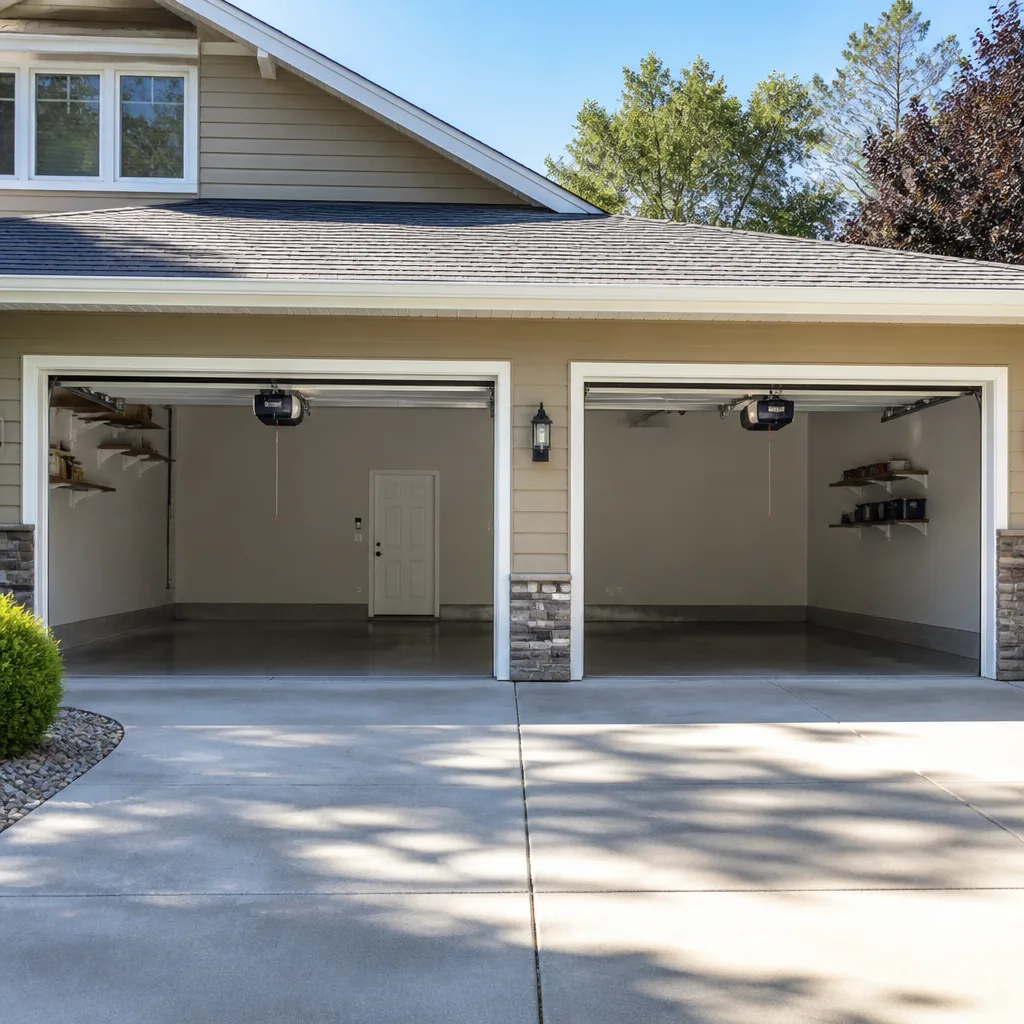
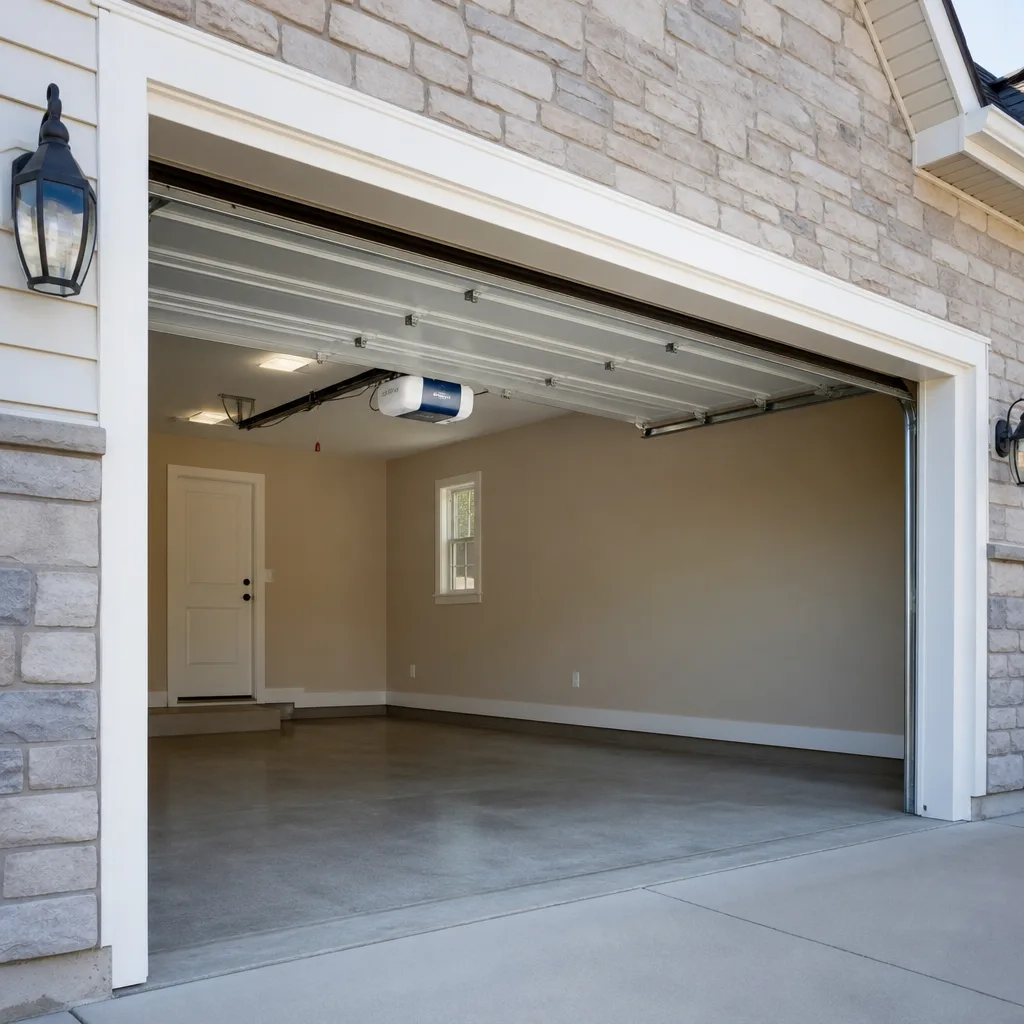
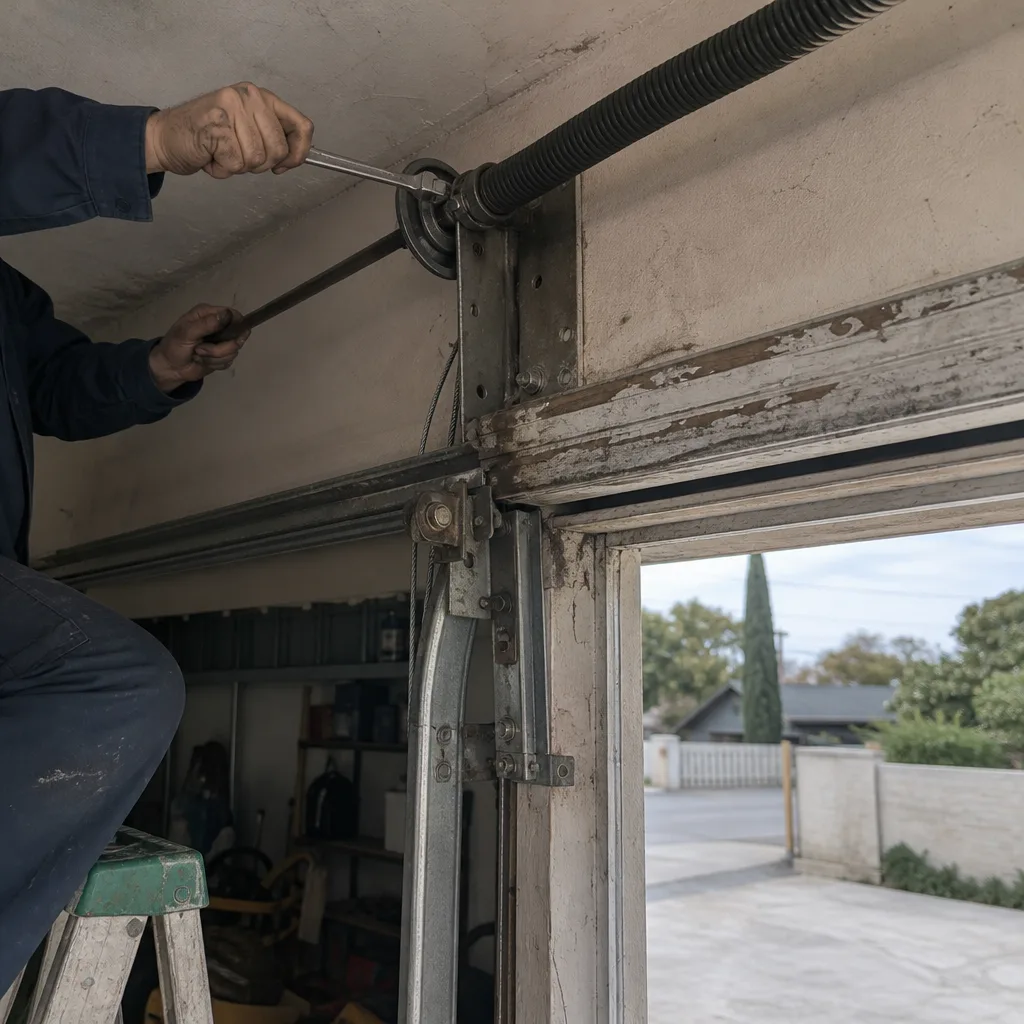 Before
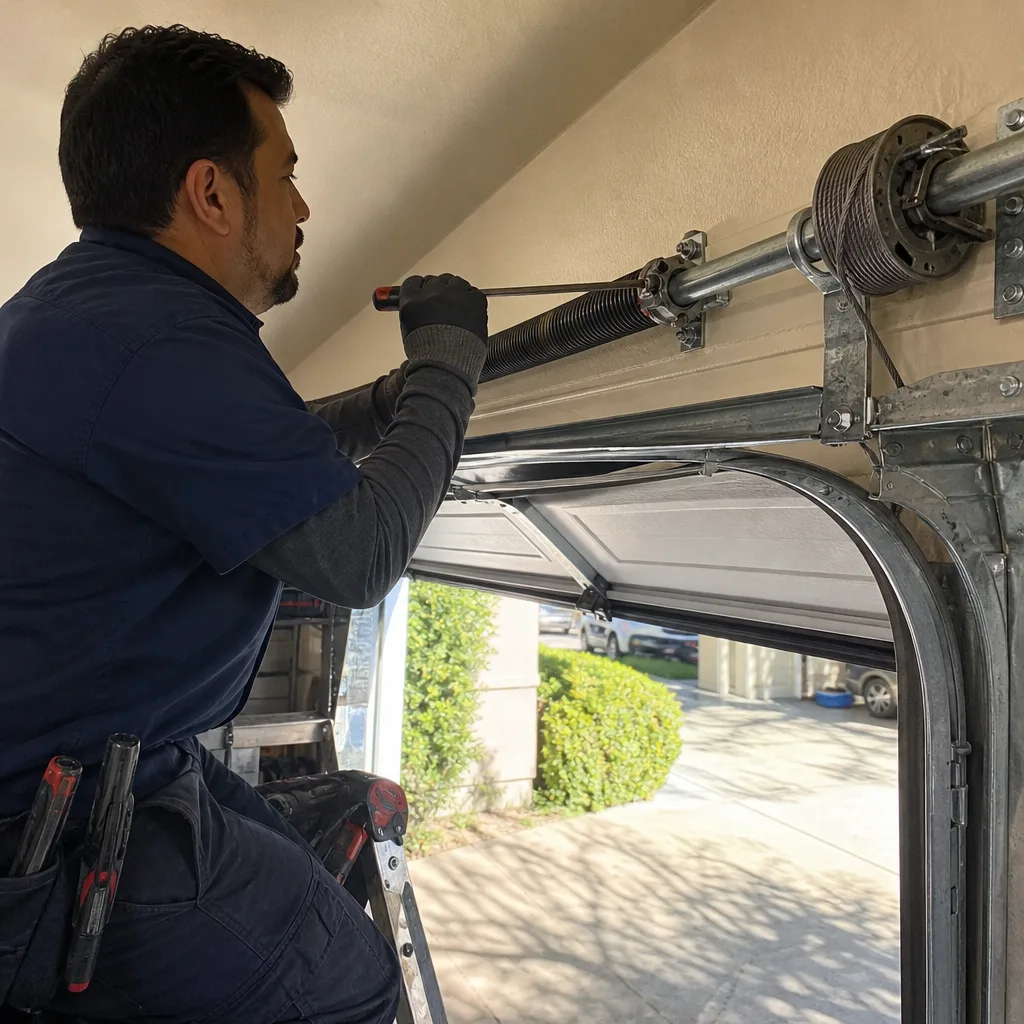 After
After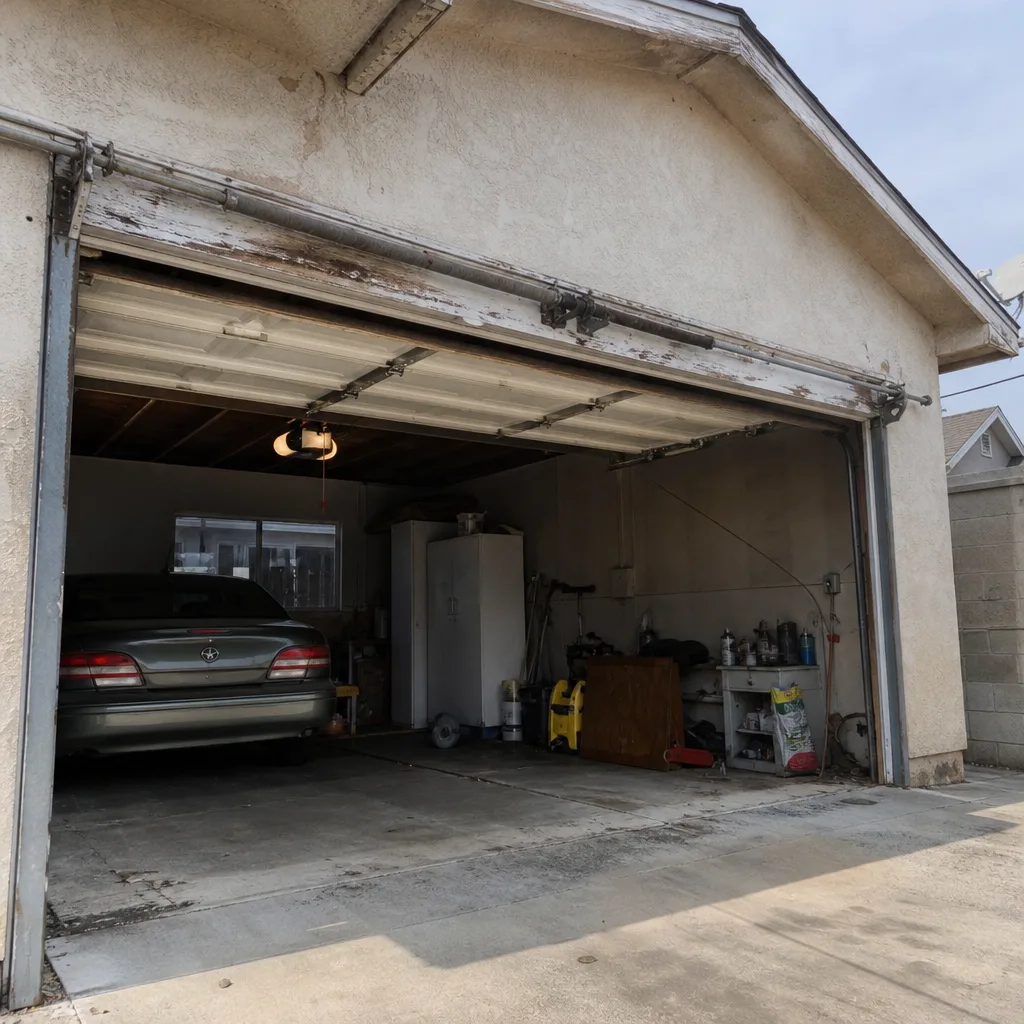 Before
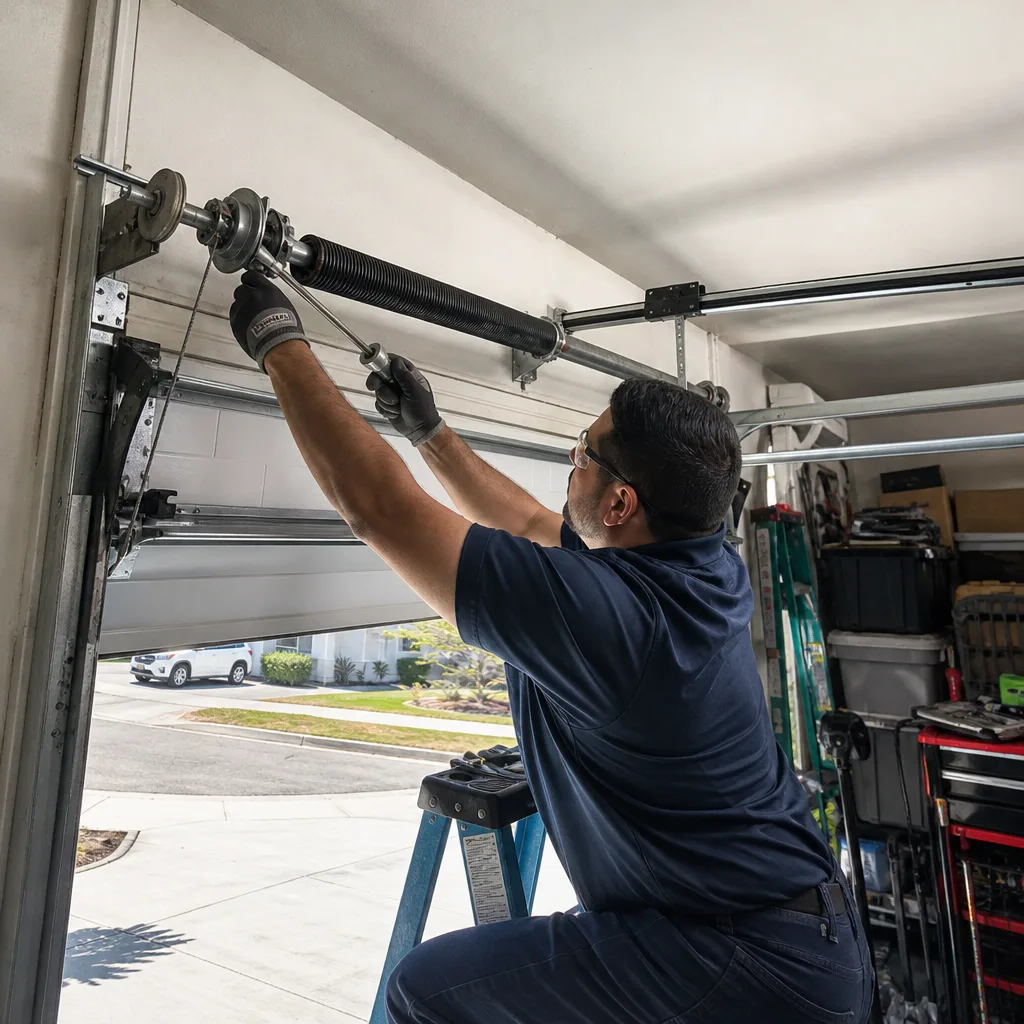 After
After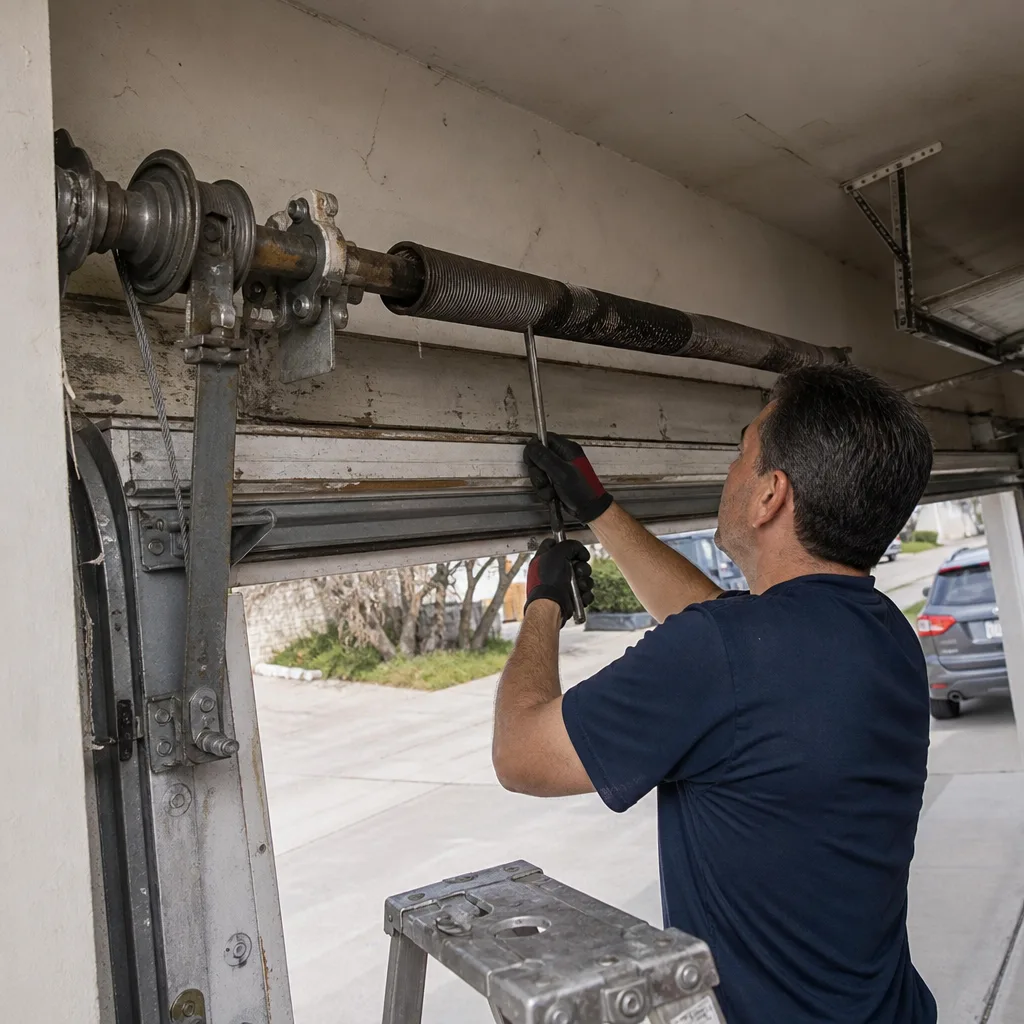 Before
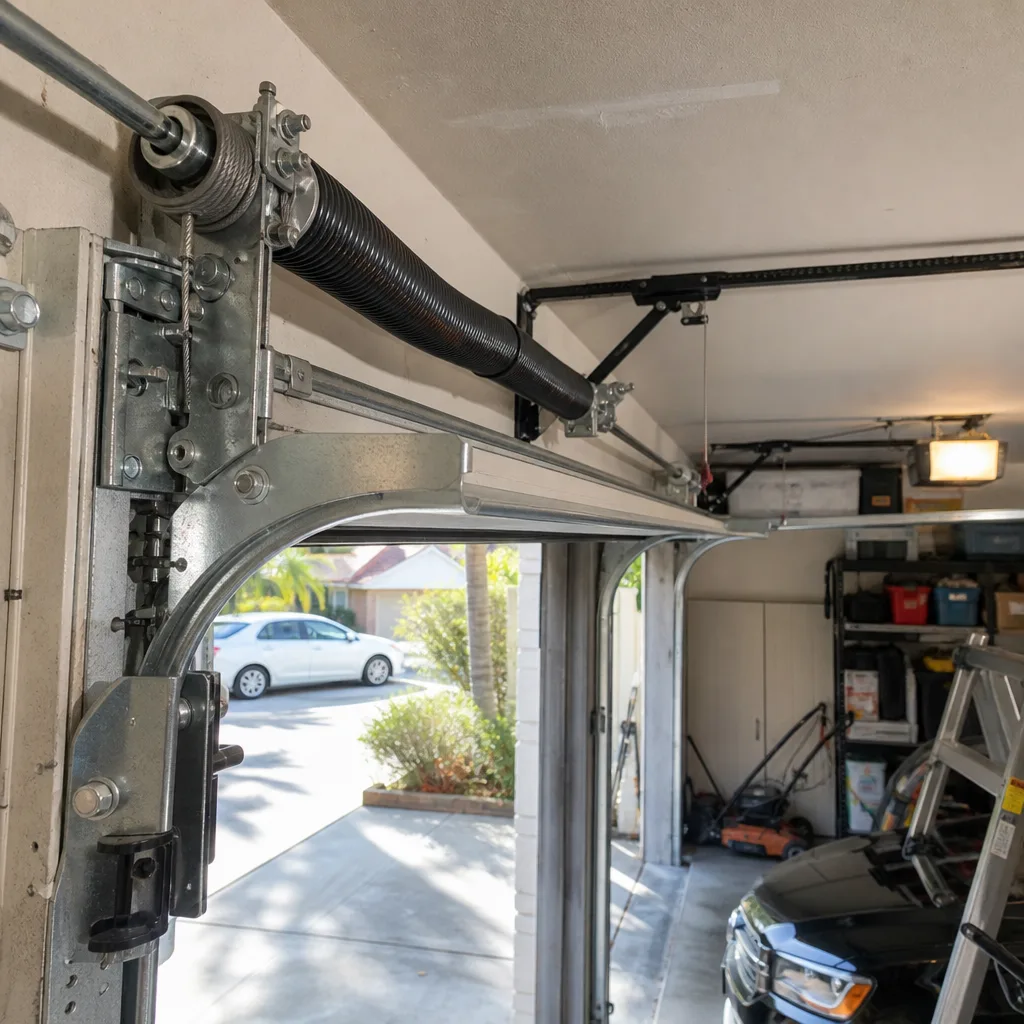 After
AfterGarage Door Cost Breakdown: The Los Angeles Homeowner’s Reference for 2026
Here’s a statistic that surprises most Los Angeles homeowners: two companies can quote the same broken torsion spring at $220 and $480, use the identical spring, and both still turn a healthy profit. The gap isn’t quality. It’s information. One company priced the job honestly, the other priced what the market would bear before you had time to ask questions. This guide walks through every line item on a 2026 garage door repair or installation invoice in Los Angeles, what each item should cost, what inflates the number, and how to compare quotes without being upsold. For more guides & resources, visit our blog. You’ll learn pricing for the five most common jobs, how cycle life ratings change what a spring should cost, what California law requires in a written estimate, and how a written guarantee changes the true price of a repair.
Quick Answer
Garage door repair in Los Angeles typically costs $150 to $600 in 2026, with the most common job, torsion spring replacement, running $180 to $340 including parts and labor. Full door installations range from $1,200 to $4,500 depending on size, insulation, material, and brand. The split between a fair quote and a bloated one almost always comes down to whether the company itemizes parts and labor in writing and whether they stand behind the work with a real guarantee.
Table of Contents
- The 2026 Line-Item Cost Reference for Los Angeles
- What Actually Drives Torsion Spring Pricing
- How Los Angeles Climate Affects Your Door
- The Diagnostic Fee Trap and How to Avoid It
- Why Cycle Life Ratings Change the Price, and Why Technicians Who Skip This Question Cost You Money
- What California Law Requires in a Written Estimate
- The Guarantee Math: Why a 365-Day Written Guarantee Changes the True Cost
- Common Mistakes to Avoid
- When to Call a Professional
- Frequently Asked Questions
- The Bottom Line
The 2026 Line-Item Cost Reference for Los Angeles
Before you book a single appointment, it helps to know what the work actually costs when the numbers are honest. The ranges below reflect what we see across Los Angeles in 2026, from West Adams to Woodland Hills, for homes with standard 16-by-7 or 8-by-7 doors. These are all-in numbers: parts, labor, and a company that shows up ready to work. A $49 service call on top of these numbers is a red flag, not a discount.
- Torsion spring replacement (single spring): $180 to $280. Includes the spring, winding and balancing the door, and a function test. Two-spring systems run $250 to $380 because both springs are replaced together; replacing one on a two-spring door leaves the older spring carrying uneven load and shortens its life.
- Extension spring replacement (pair): $140 to $220. Extension springs stretch alongside the horizontal track rather than coiling above the door. Less expensive parts, comparable labor. Common on older single-car doors in neighborhoods like El Sereno and Highland Park.
- Cable replacement (pair): $130 to $210. Cables carry the door’s weight when springs are balanced. They fray against the drum at the top of the track, and when one snaps the door can hang crookedly or drop hard. We replace both cables at once: the second cable has the same age and wear.
- Roller replacement (set of 10 to 12): $110 to $170. Rollers wear against the track every time the door cycles. Nylon rollers with sealed bearings run quieter and last longer than steel; the price difference is about three dollars per roller, so most Los Angeles homeowners choose nylon.
- Opener installation (LiftMaster, Chamberlain, Genie): $380 to $650 installed. This includes removing the old unit, mounting the new one, setting travel limits and force settings, and programming remotes and keypads. Belt-drive openers cost more than chain-drive but matter if the garage sits under a bedroom in a two-story Los Angeles home.
- Full door replacement (single-car, non-insulated steel): $1,200 to $2,200. Insulated double-car doors from Wayne Dalton or Amarr run $2,800 to $4,500, with custom wood or wood-look doors pushing higher. This work is measured, ordered, and scheduled, never same-day.
What these numbers share is a transparent structure: parts priced, labor priced, everything in writing before work begins. A quote that lumps everything into one round number with no line items gives you no way to know whether you’re paying for a premium torsion spring or a standard one. We recommend asking for the breakdown every time, whether you’re calling about a snapped cable in Los Feliz or a full door replacement in Encino.
What Actually Drives Torsion Spring Pricing
A torsion spring, the large coil mounted above the door that does most of the lifting, looks like a simple part. It isn’t. The steel wire diameter, the inner diameter, the length, and the number of coils determine how much weight it can counterbalance and how many open-and-close cycles it will survive before the metal fatigues and snaps. In the trade we call this its cycle life rating. A 10,000-cycle spring is built from different wire than a 25,000-cycle spring, and in Los Angeles that difference shows up as $40 to $90 on the invoice.
Here’s the calculation that matters to you. A 10,000-cycle spring on a door that goes up and down four times a day lasts about seven years. The same usage on a 25,000-cycle spring stretches to roughly seventeen years. On a two-car household where both cars leave for work at different times, plus a weekend trip to the grocery store, a door can cycle six to eight times a day. That same 10,000-cycle spring lasts under four years. The higher-rated spring isn’t an upsell. For many Los Angeles households it’s simply the right part.
This connects directly to a question we ask on every estimate: how often does your door actually move? A technician who quotes a spring without asking that question is pricing a one-size-fits-all part, and it usually means the 10,000-cycle economy spring. That’s not a bad product in a vacation rental that sees one cycle a day. In a busy Silver Lake house with kids and bikes and a home office in the garage, it’s the wrong spring, and it will fail early. The honest quote accounts for use. The cheap quote doesn’t, and that’s part of why the initial numbers look so different.
How Los Angeles Climate Affects Your Door
Los Angeles doesn’t have a garage door season the way Minneapolis or Phoenix does. We don’t get ice pinning panels to the ground, and we rarely see the kind of sustained heat that warps steel in the desert. What we do get is coastal humidity, marine-layer moisture, and wide temperature swings between inland valleys and the coast. Those conditions age doors differently depending on where your house sits.
In beach communities like Venice, Playa del Rey, and San Pedro, salt air accelerates rust on exposed hardware: cables, hinges, and the rollers inside their brackets. A door that would run fine for fifteen years in Pasadena can show corrosion at eight years three blocks from the water. Cables are the weak point. They’re galvanized steel, the salt finds the zinc coating, and when the coating fails the cable frays strand by strand until it snaps. That’s why cable replacement calls cluster in coastal ZIP codes, and why we recommend an annual visual check when the door is down: look for rust bloom at the cable ends and around the bottom brackets.
Inland, from the East Side through the San Fernando Valley and into Chino, the issue is heat and dust. Wood doors expand and contract through the dry seasons, opening hairline cracks in finish that let moisture into the panel core. Steel doors in dark colors, especially charcoal or black, absorb direct afternoon sun and can read 30 degrees hotter on the surface than the air temperature. Insulation inside the panel slows that heat transfer, which matters when a bedroom or home gym sits above the garage in a two-story Los Angeles build. The right door for Pasadena isn’t necessarily the right door for Playa Vista, and a responsible estimate accounts for that.
The Diagnostic Fee Trap and How to Avoid It
The $89 service call that becomes a $600 invoice usually starts with a diagnostic fee. The company advertises a low visit price, the technician arrives, diagnoses the problem, and then the math begins: the diagnostic fee stands, plus parts, plus labor, plus a second trip charge because the truck didn’t carry the right spring. You’re now at $500 for a job other companies would have quoted at $240 over the phone. This isn’t unique to Los Angeles, but the density of contractors here makes it easy for companies to run the same play daily and still stay busy. Our Garage Door Installation Troubleshooting: Common Problems and How to Fix Them guide covers how to spot these tactics before they cost you.
The way to avoid the trap is to ask one question before you book: “Is the diagnostic fee separate, or is it included in the repair price?” A company that applies the fee toward the repair when you approve the work is running an honest model; you pay one number, not two. A company that can’t give you a direct answer, or that says the fee “depends on what we find,” is likely stacking a visit charge on top of the repair. The same goes for estimates. At Doyle Garage Door Repair, the price is written down and handed to the customer before a single bolt is turned, and that written price is the price, no separate diagnostic line hiding above it. If a company can’t show you the full number in writing before work starts, treat that as its own answer.
Why Cycle Life Ratings Change the Price, and Why Technicians Who Skip This Question Cost You Money
We covered cycle life ratings in the spring pricing section, but this point deserves its own heading because it’s the single most common place Los Angeles homeowners get quietly upsold or quietly shortchanged. A clear Garage Door Installation Maintenance Schedule: What to Do and When helps prevent both problems. Here is the five-step version of how it works:
- Every torsion spring is engineered for a specific number of cycles: usually 10,000, 15,000, 20,000, or 25,000 open-and-close operations.
- A cycle is one full open and one full close, not one direction. Daily use counts are the number of times the door completes both.
- The spring’s wire size, coil count, and length set the cycle rating. Higher-rated springs use more steel and cost $40 to $90 more per spring.
- Your door’s actual daily cycles in Los Angeles depend on commute patterns, kids, delivery traffic, and whether the garage is used for parking or storage or both.
- A technician who never asks how many times a day the door moves cannot know which spring is right, which means the quote is either underselling you an underrated spring or charging you for a premium spring while installing a standard one.
If you only remember one line from this guide, make it this: before a spring quote is final, the technician should have asked how often you use the door. At Doyle, that question is part of our standard estimate, and the answer changes the line item price we put in writing. A repair that lasts eleven years costs half as much per year as one that lasts five, even if the initial invoice is eighty dollars higher.
What California Law Requires in a Written Estimate
California’s Home Improvement Contract law exists for exactly this situation: a homeowner facing an unexpected repair and a contractor asking for money. Under state law, any home improvement job over $500 must be backed by a written contract that includes the contractor’s license number, the total contract price, a description of the work, the materials to be used, and a schedule of payments. For jobs under $500, a written estimate isn’t legally required, but a company that refuses to provide one anyway is telling you something about how it handles disputes.
The enforceable minimum includes: the full legal name and business address of the contractor, the California contractor’s license number, a clear description of the work in plain language, the specific parts to be installed (brand and model where relevant), the total price including all labor and materials, and a payment schedule with no more than 10% or $1,000 down, whichever is smaller. A verbal estimate in California protects you far less than a written one when something goes wrong. If a company in Los Angeles quotes you over the phone and then says the price changed when the technician arrived, a written estimate would have prevented that conversation altogether. This is the legal backstop behind the way we work at Doyle: every job, regardless of size, gets a written price before the first bolt comes off, and that document includes every line item, not just a bottom-line number.
The Guarantee Math: Why a 365-Day Written Guarantee Changes the True Cost
Imagine two quotes for the same torsion spring replacement in Los Angeles. Company A charges $220. Company B charges $280. Company A offers a 30-day warranty. Company B offers a written 365-day guarantee: if the repair fails at any point in the year, it’s fixed free. Now run the math on failure rates. Industrywide, a small percentage of spring repairs develop issues in the first eight months, whether from a defect in the spring itself, an installation error, or a door that was never properly balanced. If that repair fails at month eight, Company A sends a second invoice, $220 again. Total cost for the year: $440. Company B sends a technician, fixed at no charge. Total cost: $280.
The guarantee changes the true cost calculation before you even start. At Doyle Garage Door Repair, the 365-Day Done Right Promise applies to every repair, in writing, every time, at no extra charge. If the repair fails within 365 days from the date of the work, we come back and make it right at no charge, and the second visit is free, no argument required. You don’t pay twice for the same fix. That’s the tradeoff in real numbers: a lower upfront price with a 30-day warranty may cost more over twelve months than a higher upfront price with a written year-long guarantee. When you’re comparing quotes in Los Angeles, ask about the guarantee term in months and write it down. Then calculate accordingly.
Common Mistakes to Avoid
- Accepting a verbal estimate. In California, a verbal number protects no one. If the company won’t put the price in writing before starting, you are taking on risk the law was designed to remove.
- Agreeing to a diagnostic fee without asking if it applies to the repair. The question costs you ten seconds. Not asking it can cost you $90 on top of the actual repair.
- Replacing one spring on a two-spring door. The older spring carries uneven load and fails soon after. You’ll pay for a second visit and a second spring, and the first replacement won’t be covered under any reasonable guarantee.
- Choosing a spring without knowing its cycle life rating. A 10,000-cycle spring on a heavily used Los Angeles door fails at year four and you pay again. The $80 savings disappears into the second invoice.
- Comparing quotes by bottom line only. One company’s $300 quote includes a 365-day written guarantee and all parts and labor. Another’s $260 quote excludes the diagnostic fee and carries a 30-day warranty. The lower number isn’t the better deal; it’s just a smaller first payment.
- Skipping the written contract on larger jobs. Full door replacement in Los Angeles runs well over $500, which triggers California’s Home Improvement Contract requirements. Any company that treats that paperwork as optional is not doing you a favor.
- Waiting until a cable snaps to address rust. In coastal Los Angeles neighborhoods, rusty cables are a visible warning sign. Replacing them before they break costs less than the emergency call when the door drops crooked or won’t close at all.
When to Call a Professional
Garage door springs and cables are under extreme tension, and they are the two parts that cause the most serious injuries when homeowners attempt repairs without the right tools and training. A torsion spring that lets go can release hundreds of pounds of stored force in a fraction of a second. A cable under load can whip when it snaps. If your door won’t open, opens crooked, makes a loud bang, or you can see a broken spring or frayed cable, leave the door alone and call a professional. Do not try to remove a broken spring, do not climb on a ladder under a door that isn’t secured open, and do not cut a cable that’s still attached. Doyle Garage Door Repair offers free estimates in Los Angeles, and a live person answers at (910) 858-8029 day, night, weekends, and holidays. We’ll tell you the price in writing before any work starts, and you can read more about our repair team’s approach on the Doyle Garage Door Repair home page.
Frequently Asked Questions
Most garage door repairs in Los Angeles cost between $150 and $600 in 2026, with torsion spring replacement, the most common call, running $180 to $340 all-in. The exact number depends on the part, the door’s size and weight, and whether the company itemizes its pricing in writing. For a free written estimate, call (910) 858-8029.
A standard single-car non-insulated steel door installed in Los Angeles runs $1,200 to $2,200, while an insulated double-car door from a brand like Wayne Dalton or Amarr typically runs $2,800 to $4,500. Custom wood or wood-look doors push higher. New doors are measured, ordered, and scheduled, so expect a written price after a free on-site measure rather than a same-day install.
The difference almost always comes down to three things: the spring’s cycle life rating, whether the diagnostic fee stacks on top of the repair or applies toward it, and whether the company itemizes parts and labor in writing. A 10,000-cycle economy spring costs less than a 25,000-cycle spring, and a company that doesn’t ask how often your door cycles is likely quoting the cheaper part.
Yes, most repairs, including spring, cable, and roller replacement, can be completed same-day when we carry the right parts, which we do for all major brands including LiftMaster and Chamberlain. Garage door opener repair and panel replacement are also typically same-day jobs. For full door replacement, the work is measured, ordered, and scheduled; there’s no same-day install, but the written price comes free and without obligation.
No. The price you’re handed before work starts is the price, full stop. At Doyle Garage Door Repair, we put every quote in writing before a single bolt is turned, with line-item pricing for parts and labor, and that number doesn’t move after the technician begins. For service in Brentwood or the Valley, call (910) 858-8029 for an exact quote, estimates are free.
Our trucks stock the common parts for all major brands, including LiftMaster, Chamberlain, Genie, and Raynor: torsion and extension springs across the common sizes, cables, rollers, hinges, sensors, and opener components. When a part is unusual for a specific door model, we tell you before scheduling so there’s no second trip charge. More on our repair scope at Garage Door Repair in Grandview.
The Bottom Line
Garage door pricing in Los Angeles 2026 is knowable, not mysterious. The five common jobs have established price ranges, the variables that move those numbers are identifiable, and the difference between an honest quote and a bloated one is almost always written right there on the invoice. Ask for line items. Ask about cycle life ratings. Ask about the diagnostic fee and the guarantee term in months. A written price before work starts is your strongest tool as a homeowner, and in California it’s backed by law. If a company can’t or won’t provide one, the garage isn’t the only door you should be worried about. For a free, written, no-pressure estimate in Los Angeles, call Doyle Garage Door Repair at (910) 858-8029. A live person answers, day and night. For more about the team or our service areas, see Garage Door Installation in Grandview or Garage Door Opener Repair in Grandview.
Written by Aaron Teague, Owner at Doyle Garage Door Repair, serving Los Angeles since 2001.