
Last updated October 9, 2026
Full 25-point door and opener safety check with every visit - springs, cables, rollers, tracks, and your LiftMaster or Chamberlain opener included
You get a price before we start. It does not change when the truck arrives.
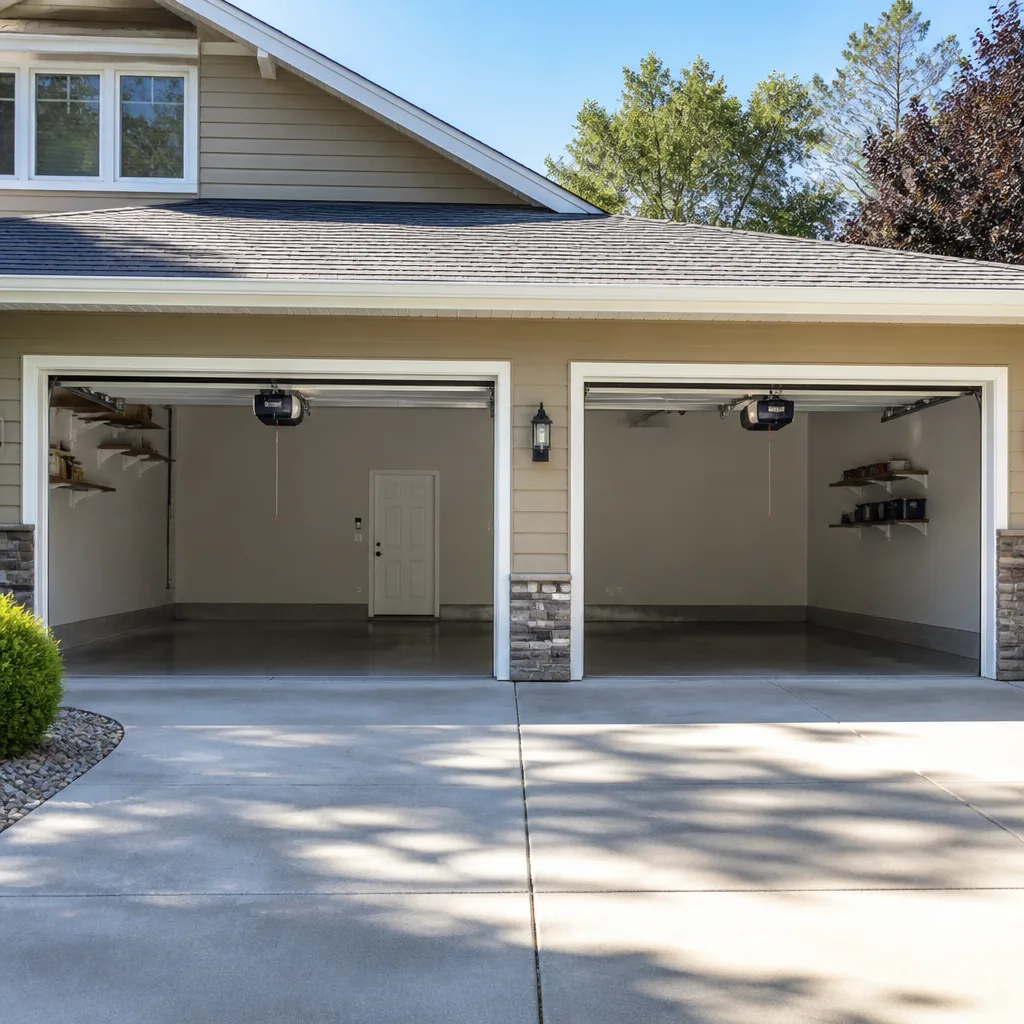
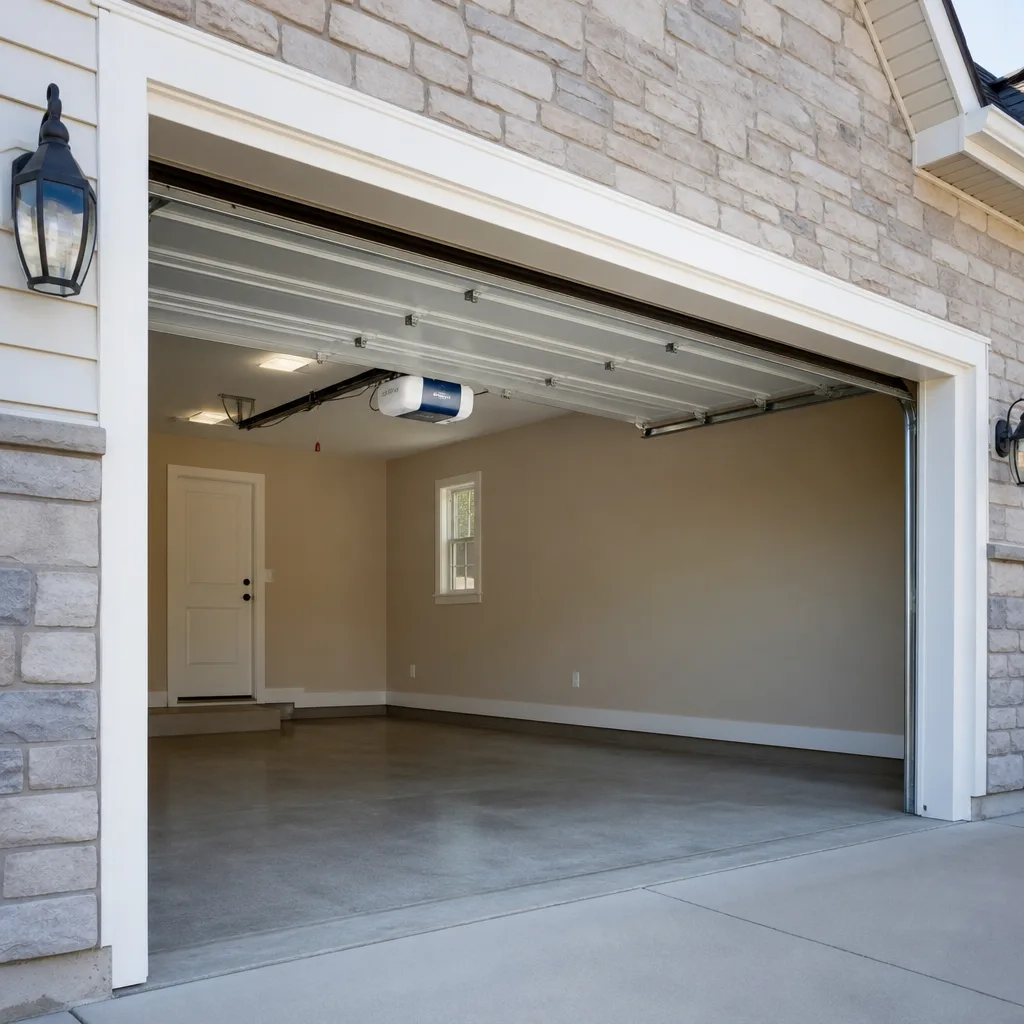
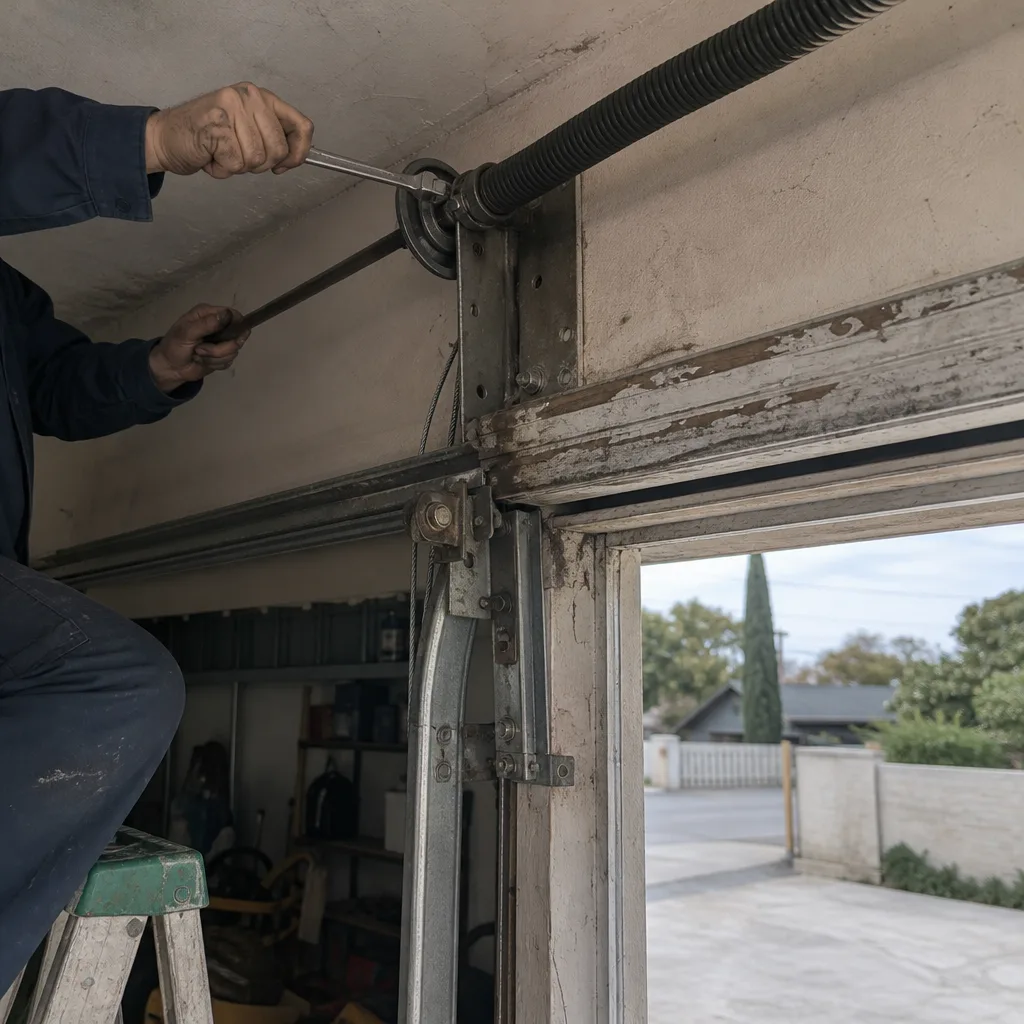 Before
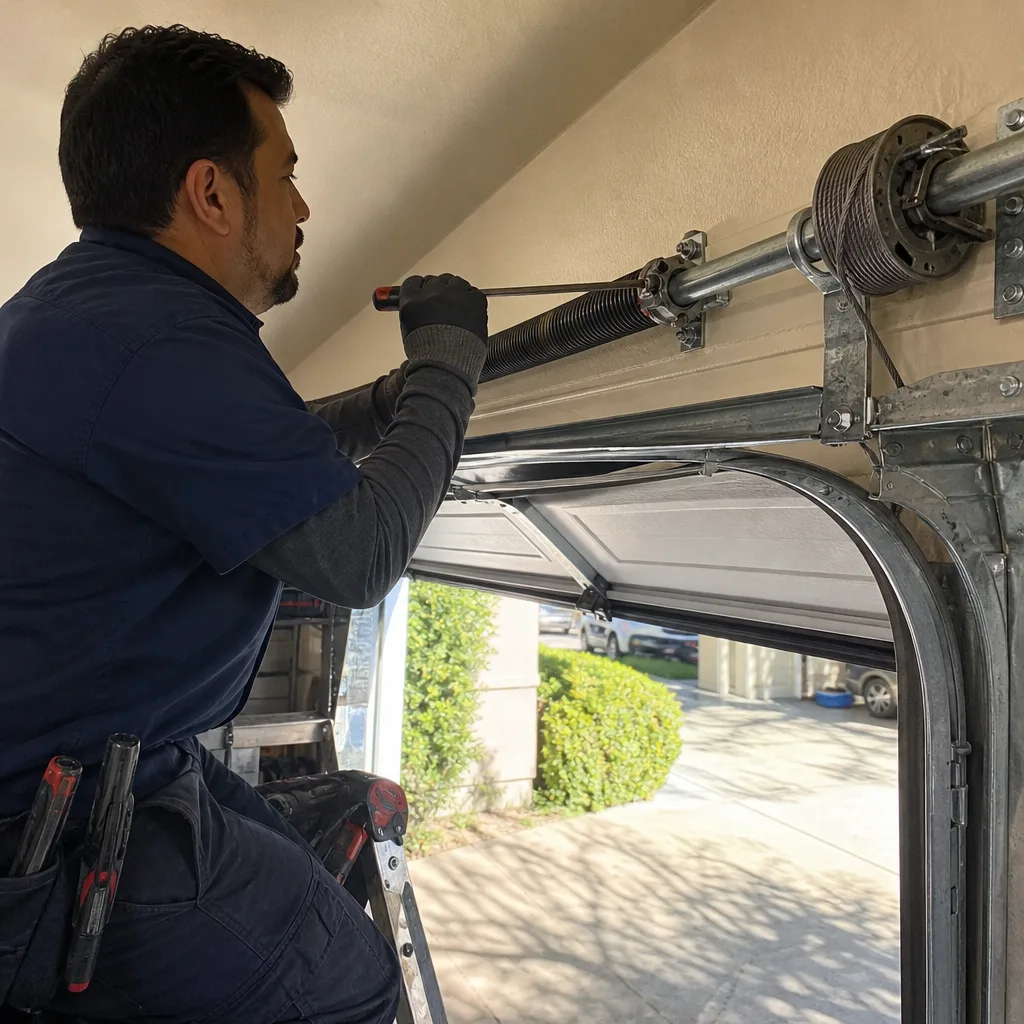 After
After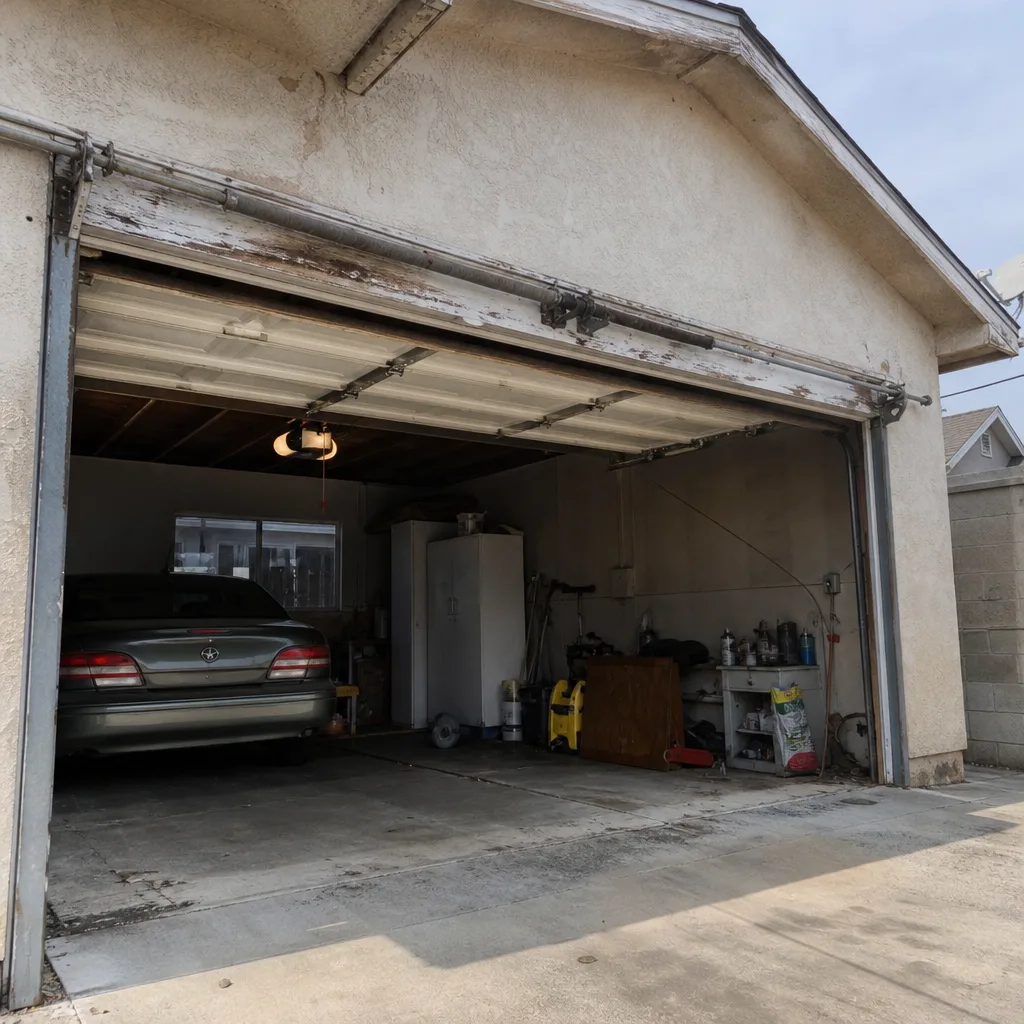 Before
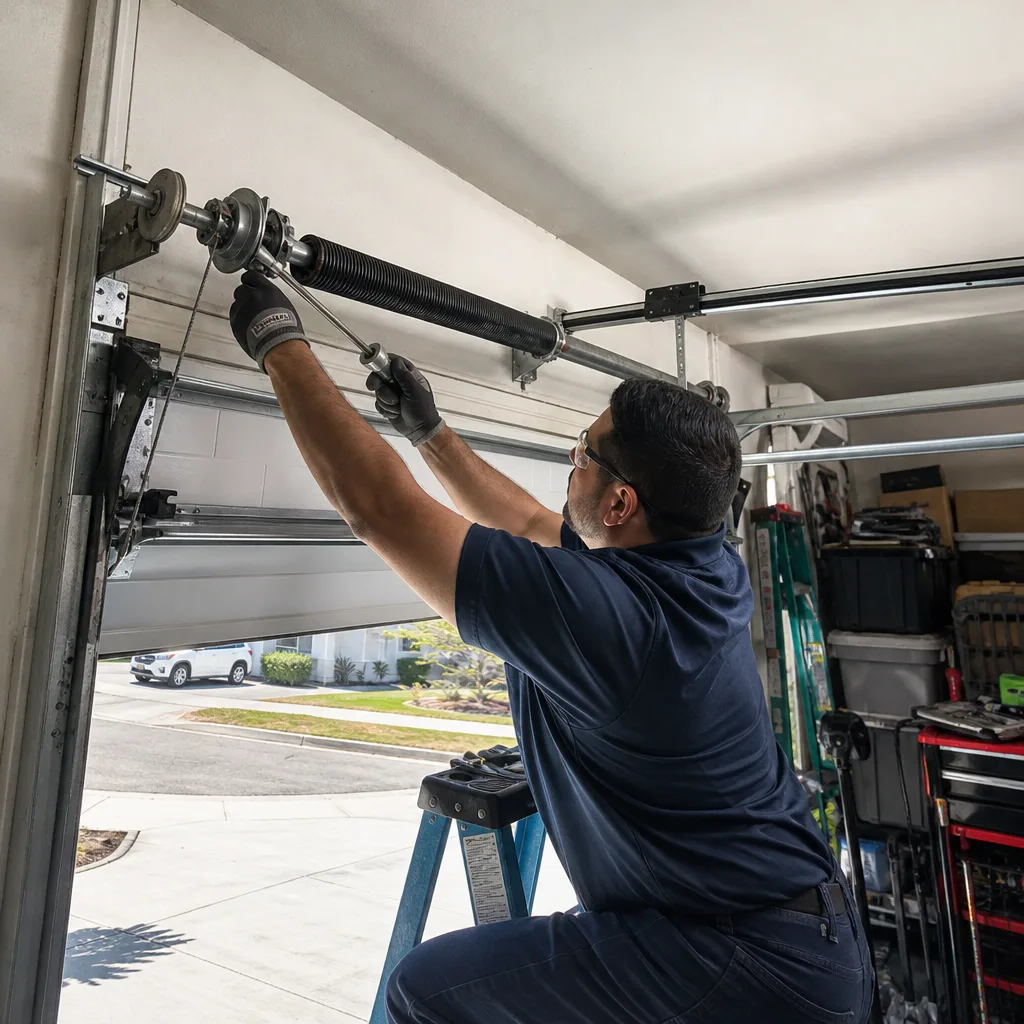 After
After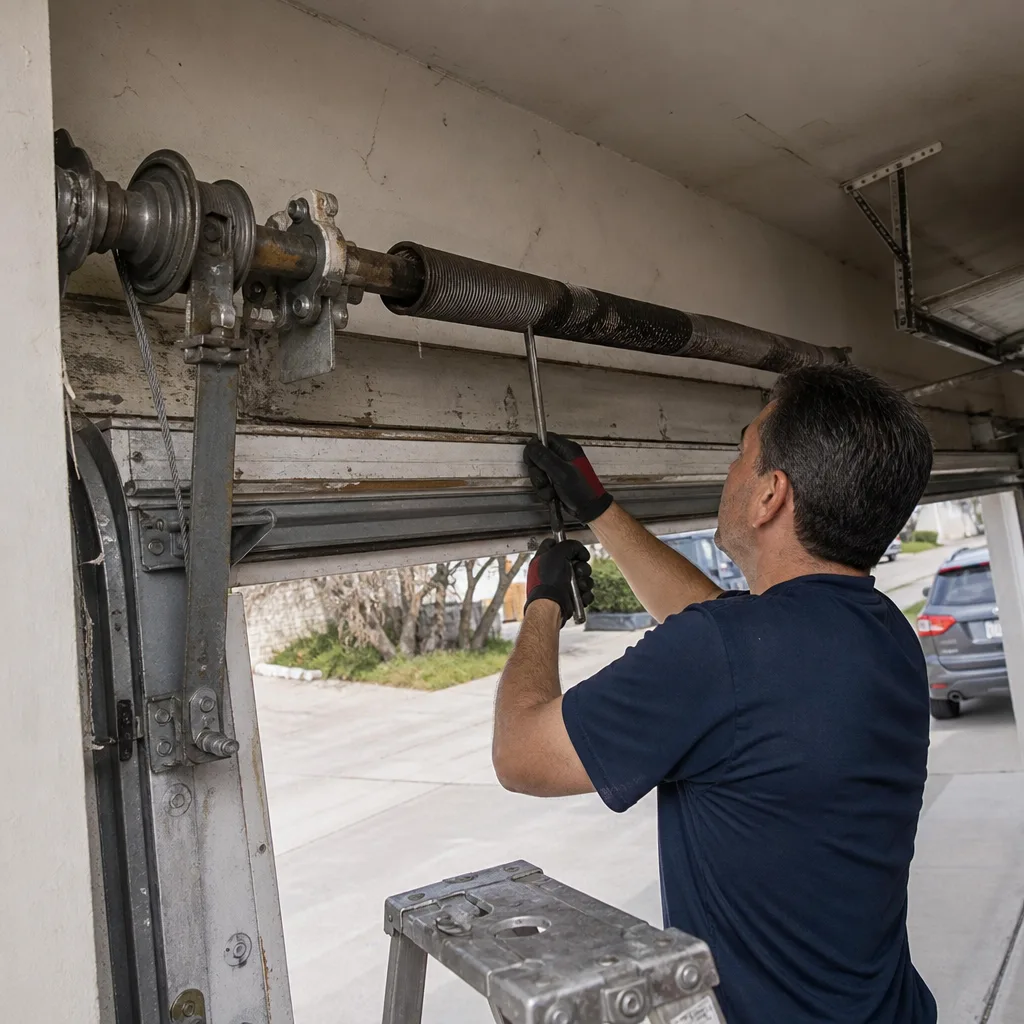 Before
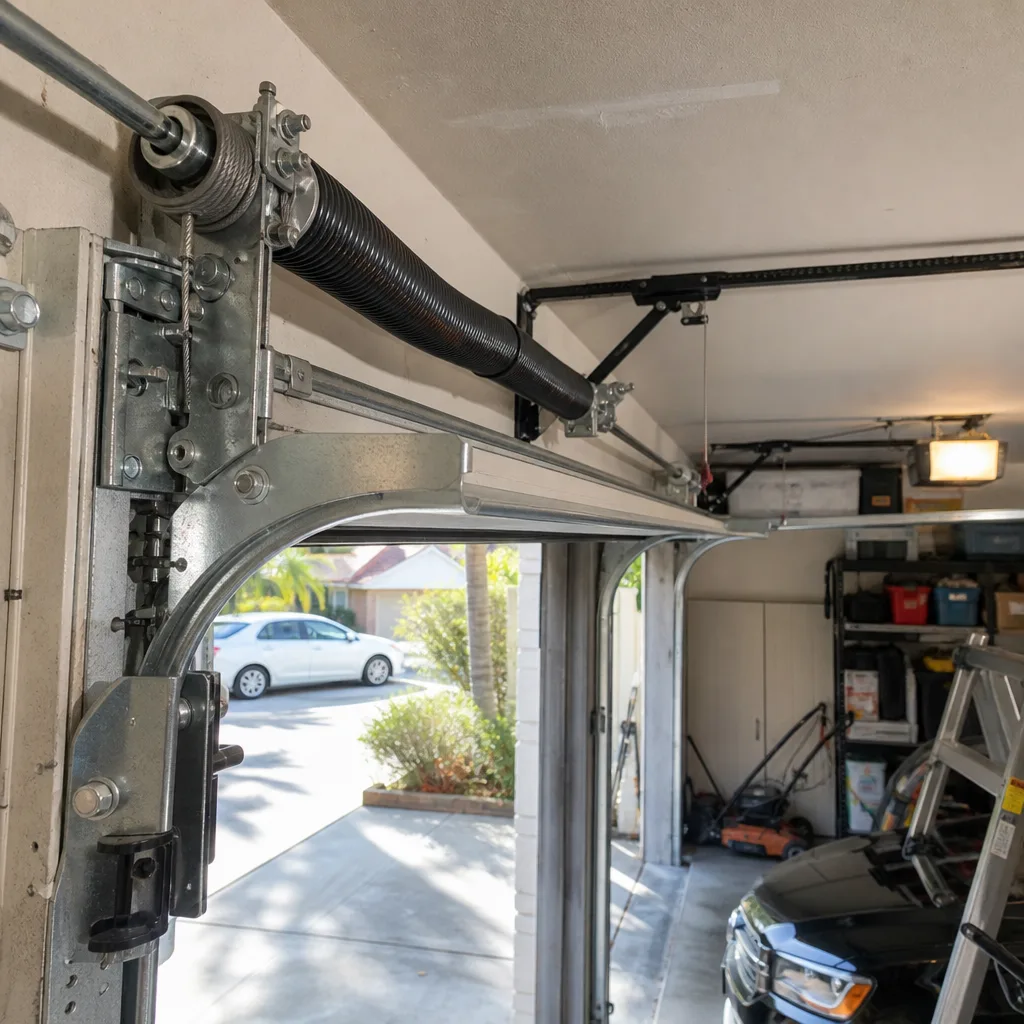 After
AfterThe Complete Guide to Garage Door in Los Angeles
Your garage door is the largest moving part of your home and, in most Los Angeles houses, the only thing between a wildfire ember and your living space. Yet the average LA homeowner services their garage door less often than their car’s cabin air filter. This guide covers everything that actually matters about garage doors in Los Angeles: what breaks, why it breaks here specifically, what repairs cost, what the building codes require, and how to choose between the dozens of companies fighting for your call. We wrote this from the perspective of technicians who have worked on thousands of doors across the city since 2001.
Quick Answer
A garage door in Los Angeles is a security barrier, a fire-rated assembly, and the most heavily used mechanical system in your home, typically lasting 15 to 20 years when maintained but failing early when exposed to coastal salt air, seismic shifting, or wildfire ash without intervention. Repair costs in Los Angeles run $180 to $600 for springs and common mechanical failures, while full replacement runs $1,500 to $4,000 depending on material and size. The single most important decision an LA homeowner makes is choosing a company that sends a name and photo before arrival and puts the price in writing before work begins.
Table of Contents
- The Coastal-Dry Heat Split: How LA Geography Changes Your Door’s Lifespan
- Fire-Rated Doors and Title 24: What Los Angeles Code Actually Requires
- The Four Components That Do the Real Work (and When They Fail in LA)
- Reading a Cycle Rating: Why LA Households Void Warranties Faster Than the Calendar Does
- What Garage Door Repair Costs in Los Angeles: Real Numbers and Ranges
- How to Choose a Garage Door Company in Los Angeles Without Opening the Door to a Stranger
- DIY Checks You Can Do Safely Versus What Requires a Trained Technician
How LA’s Microclimates Change Your Door’s Lifespan
Los Angeles is not one climate. It’s at least five, and they’re hostile to garage doors in different ways. A steel door in Santa Monica faces salt air and marine fog that accelerates rust on hinges, springs, and the bottom bracket by roughly 30 to 40 percent compared to the same door in Pasadena. The San Fernando Valley bakes garage interiors past 110 degrees in August, which degrades rubber weatherstripping, stiffens rollers, and shortens torsion spring life through simple thermal expansion and contraction cycles. The hills and canyons have a different problem entirely: brush clearance zones that generate fine ash during fire season, and that ash works into roller tracks and cable drums like a grinding paste. We see doors in Studio City and Sherman Oaks that look pristine from the outside but have badly worn internals from exactly that.
Material choice matters by neighborhood. Aluminum works in coastal Los Angeles because it resists salt corrosion, but it warps noticeably in Valley heat and dents easily on narrow hillside garage approaches. Steel with a rust-inhibiting primer is the default choice for most of the city, but the gauge matters: 24-gauge steel panels hold up better against the frequent small impacts that come with tight LA parking, while 27-gauge panels are cheaper and noticeably easier to dent. Wood doors are common in Mid-Century houses in the hills, and they are beautiful, but they require resealing every two years in Los Angeles sun. Skip that and you’re looking at warping, splitting, and a door that absorbs moisture during June gloom and dries out again in September.
Fire-Rated Doors and Title 24: Los Angeles Code Requirements
Los Angeles building codes treat an attached garage as a firewall between your house and your car, and that is not a metaphor. The California Residential Code requires a door between the garage and the living space to be self-closing, self-latching, and rated at 20 minutes minimum fire resistance. If your home was built before the mid-1990s and you haven’t upgraded, there is a real chance your interior garage access door doesn’t meet current code, and the violation usually surfaces during a home inspection, not during a fire. The exterior garage door itself is regulated by Chapter 7A of the California Building Standards Code when the home sits in a Wildland-Urban Interface zone, which includes much of the Hollywood Hills, Brentwood, Pacific Palisades, and the canyon communities. Section 708 of the Los Angeles Municipal Code has similar requirements for doors facing ignition-prone areas.
Title 24 is a separate but related standard that most LA homeowners discover when they sell. It governs energy efficiency, including a requirement for the garage-to-house door to be insulated and weather-sealed, and it applies to any retrofit where the door is replaced, not just new construction. Here’s a practical sequence if you are unsure about your situation:
- Check whether your address falls in a Fire Hazard Severity Zone or Wildland-Urban Interface using the Los Angeles Fire Department’s free online map. Takes ten minutes.
- Open your interior garage access door and check the label on the hinge side. A fire-rated door carries a certification mark and a rating stamp, typically 20 or 45 minutes.
- Test the self-closing mechanism: open the door halfway, let go, and confirm it closes and latches on its own. A door that stays open is a code violation and genuine safety hazard.
- If you find a problem, do not attempt to modify the door yourself. A licensed garage door technician who works with fire-rated assemblies can assess it and quote the fix in writing.
The Four Components That Do the Real Work (and When They Fail in LA)
Every garage door has four load-bearing components that fail on a predictable timeline in Los Angeles conditions, and understanding them is the difference between spending $250 on a proactive fix and $900 on an emergency call at midnight. We’ll define each one in trade terms and plain English.
Torsion spring: the large coil mounted horizontally above the door that counterbalances its weight. This is the component that carries the most load, stores the most potential energy, and causes the most serious injuries when it fails and someone tries to replace it without training. In Los Angeles heat, a standard torsion spring rated for 10,000 cycles typically lasts 7 to 10 years in a single-car household and 4 to 6 years in a two-car household with two commutes and a teenager. Warning signs include a door that feels unusually heavy when lifted manually, a visible gap in the spring coil, or a loud bang from the garage followed by a door that won’t lift. Replacement in Los Angeles runs $280 to $450 per spring for a professional installation, and the price quoted is always written before work starts.
Trolley carriage: the sliding assembly mounted on the opener rail that connects the opener motor to the door itself. It travels along the rail every time the door opens or closes, and over time the plastic internal gears wear, turning smooth operation into a jerky, grinding motion. In coastal neighborhoods like Mar Vista and Playa del Rey, we see trolley carriage wear accelerate from salt and fine sand working into the rail track. Carriage replacement is typically $180 to $320, and it’s a repair that makes the door feel new again without replacing the whole opener.
Cable drum: the grooved spool at either end of the torsion spring shaft that winds and unwinds the lifting cables. When a cable drum wears, the cable can jump the groove, which drops one side of the door, warps the tracks, and in the worst case launches the cable out at high speed. We see this most often in hillside homes with non-level garage floors and on doors that have been manually forced open after a spring failure.
Limit switch: the component inside the opener that tells the motor where “closed” and “open” actually are. When a limit switch drifts out of adjustment, the door stops short of the ground, leaving a gap, or it over-travels and reverses. The fix is usually a minor adjustment and is part of every opener tune-up. In Los Angeles, where garage floors settle and shift with seismic activity, we see limit switch drift far more often than in stable-soil markets. Small earthquakes are a fact of life here, and every quake nudges that switch a little further from correct.
Reading a Cycle Rating: LA Usage Patterns and Warranty Traps
A garage door’s cycle rating is the number the manufacturer states represents one full open-and-close sequence, and it is the number that determines how quickly you burn through a typical warranty. Standard torsion springs carry a 10,000-cycle rating. Economy springs carry 5,000. High-cycle springs, which cost about $60 to $90 more per spring and are worth it in LA, carry 25,000 to 30,000. Here’s why that number matters more in this city than most: a two-car household with two working adults, two commutes per day, one school drop-off, and a weekend errand run can hit 8 to 10 cycles per day without thinking twice. That’s about 3,400 cycles per year, which means a 10,000-cycle spring is past its designed life in under three years. The calendar on the warranty says five years, but the cycles say half that, and a spring failure that arrives at 3 years and 2 months into a 5-year calendar warranty is still a $380 repair if the warranty has a cycle-based exclusion, which most standard ones do.
The practical takeaway: when you replace springs in Los Angeles, ask for high-cycle springs. The cost difference is modest, and the lifespan difference is real. The same math applies to your opener. A builder-grade opener rated for 3,000 open-close cycles may last four years in a busy LA household, while a heavier unit rated for 10,000 to 15,000 cycles from LiftMaster or Chamberlain runs $350 to $600 installed and lasts three times as long. If you bought your house with the opener already in place and no records, check the label on the motor housing for the model number, then look up the cycle rating on the manufacturer’s site. Five minutes of research tells you whether you’re on borrowed time.
Real Repair Costs in Los Angeles: Numbers, Not Guesses
Los Angeles garage door repair pricing is not a mystery, and any company that won’t give you a range over the phone should be treated with caution. The ranges below reflect what we and other reputable companies charge across the city, from the Valley to the Westside. Your price is always written down and handed to you before a single bolt is turned.
- Torsion spring replacement: $280 to $450 per spring. Most doors have one or two springs, and both are usually replaced at the same time for safety and balance.
- Extension spring replacement: $180 to $300 per pair. Common on older single-car doors and lighter setups.
- Cable replacement: $160 to $260 per side. Often done with spring work since the cables ride the same drums and wear together.
- Roller replacement: $120 to $220 for a full set. Nylon rollers are quieter and last longer; steel rollers are cheaper and louder.
- Opener motor replacement: $420 to $750 installed, including a belt-drive unit from LiftMaster or Chamberlain. Chain-drive units run $340 to $500 and are louder but durable.
- Track adjustment or realignment: $120 to $250, plus the cost of replacement track sections if they’re bent, which runs $80 to $140 per section.
- Full door replacement: $1,500 to $4,000 installed, depending on material, insulation, size, and whether you choose a brand like Amarr, Wayne Dalton, or Raynor.
- Service call with no repair needed: $75 to $120 if the diagnosis turns out to be minor and the technician spends under an hour. Many companies, including ours, apply that fee toward the repair if you proceed.
One thing to understand before booking: the price you’re quoted over the phone is a range based on the information you provide, and the written price you receive when the technician sees the door is the number that matters. Every reputable Los Angeles company follows that pattern. The ones that don’t, or that push you to approve work verbally before you see a number, are the ones whose final invoice looks different from their quote. That’s why the second question you ask, right after “how much,” should be “is that in writing before you start?” The answer tells you everything.
Choosing a Company in Los Angeles Without Opening the Door to a Stranger
Every garage door company in Los Angeles says “licensed and insured,” and that phrase does almost no work in helping you choose. The actual risks are specific: an unknown person at your door, a verbal quote that grows on the invoice, and a repair that fails six months later with no recourse. The standard industry model compounds all three. You call a number, a dispatcher sends “the next available tech,” and the person who shows up is a stranger to you until the moment you open the door. You do not know their name before they arrive, you have not seen a photo, and you have no way to confirm that the person standing in your driveway is the same person the company employs.
That anonymity is the industry default, not the exception. Most Los Angeles garage door companies cannot tell you who is coming to your house until the technician is already there. At Doyle Garage Door Repair, the model is built around reversing that sequence. When you book with us, you receive the technician’s name and photo before the visit, and that technician is background-checked and identity-verified under the Threshold Standard, the vetting framework we’ve used since we opened in 2001 as part of the Threshold Group family of home-service companies. When the doorbell rings, you open the door already knowing who is on the other side, and the person there shows you a photo ID badge that matches the photo you were sent. The whole process removes the part of the transaction that makes people hesitate to book a repair at all: the moment of opening the door to an unknown person. That system is the same one we use for Garage Door Repair in Grandview and every other location, and it’s baked into everything from booking to the signed work order.
What You Can Check Yourself Versus What Needs a Trained Technician
The line between a safe DIY check and a dangerous DIY repair is drawn at the torsion spring-something we explore in depth in our DIY vs Professional Garage Door Installation: What’s Safe to Do Yourself guide. If you only read one paragraph in this guide, read this one. Torsion springs are under 200 to 300 pounds of stored tension, and a spring that releases that energy during a removal attempt can cause catastrophic injury, including broken bones and worse. There is no safe way to remove or install a torsion spring without proper winding bars, training, and respect for what the component can do. We rewind springs on LA doors every week, and we treat each one as the dangerous component it is.
What you can do safely, on any door, is the following:
- Listen: open and close the door manually, with the opener disengaged. A smooth, even motion with a light feel means the springs are doing their job. Grinding, jerking, or a heavy-feeling door means something is wrong.
- Look: inspect the springs, cables, and roller tracks visually. A gap in a spring coil, frayed cable strands, or a roller that wobbles in the track are all visible warning signs that don’t require any disassembly to spot.
- Test the balance: with the opener disengaged, lift the door to chest height and let go. A properly balanced door stays put. A door that creeps down or springs up has a spring tension problem, which is a professional repair.
- Check the weatherstripping: the rubber strip along the bottom of the door degrades in LA sun and cracks after about three to five years. It’s a $25 part and a ten-minute replacement, and it keeps dust, ash, and water out of the garage.
Common Mistakes to Avoid
- Ignoring a slow door: a door that opens sluggishly is telling you the springs are losing tension. Waiting until the spring snaps in the middle of a morning commute turns a $300 planned repair into an $800 emergency.
- Lubricating with the wrong product: spray lubricants like WD-40 are not garage door lubricants. They wash away and leave a film that traps debris. Use a lithium-based or silicone-based garage door spray on rollers, hinges, and the spring, never on the track itself.
- Replacing one spring when two are worn: both springs age at the same rate, and a door with one new spring and one old one operates unevenly, which wears every other component faster. Replace both, always.
- Skipping the visual inspection because the door “works fine”: a door that works is a door that hasn’t failed yet. In Los Angeles, where ash and salt and heat work components year-round, a five-minute annual look at the springs, cables, and rollers catches problems while they’re cheap.
- Booking the first company that answers: if you call five companies and only one has phone support by a live person, that’s a signal about how the company operates at every stage. Choose a company that answers the phone and tells you who is coming.
- Installing a heavy wooden door on old hardware: if your house had a lightweight aluminum or steel door and you upgrade to a solid wood door for curb appeal, the old springs and track are now undersized. The upgrade is a hardware replacement too, and skimping on that part leads to premature failure.
- Using the garage door opener as a manual override: pulling the emergency release cord and then forcing the door up by hand, especially after a spring failure, warps tracks, damages panels, and risks the door crashing down. Call a professional when the door won’t move normally.
When to Call a Professional
Call a professional when the door makes a sudden loud noise followed by failure to open, when the springs show visible wear or gaps, when the door comes off its tracks, or when the opener runs but the door doesn’t move. Call a professional when the door feels unusually heavy, when cables are frayed, or when the door reverses before hitting the ground and you cannot correct it with a limit switch adjustment. Call a professional when you need a fire-rated door verified for code compliance, which requires a trained eye and, often, a licensed inspection. Garage Door Installation in Grandview and Los Angeles both demand the same standard: a written price before work begins and a written guarantee after. Doyle Garage Door Repair offers free estimates in Los Angeles. Call (910) 858-8029, any hour, and a live person answers.
Frequently Asked Questions
A full garage door replacement in Los Angeles typically costs $1,500 to $4,000 installed, depending on the material, insulation, size, and brand. A basic single-car steel door from Wayne Dalton or Raynor runs $1,500 to $2,200, while a custom wood or insulated double-car door from Amarr can reach $3,800 to $4,000 or more. Every price we quote is written down and handed to you before any work begins, so the final invoice matches the quote. Call (910) 858-8029 for a free estimate on your specific door.
Standard torsion springs rated for 10,000 cycles last 7 to 10 years in a single-car household and 4 to 6 years in a busy two-car Los Angeles household, where commutes and school runs push the door through 8 to 10 cycles per day. High-cycle springs rated for 25,000 cycles are worth the extra $60 to $90 in this market. If your door feels heavy or you hear a loud bang, the spring has likely failed, and it needs professional replacement.
Yes, the garage access door into your living space must be a self-closing, self-latching door with a minimum 20-minute fire rating under California Residential Code, and exterior garage doors in Wildland-Urban Interface zones must meet Chapter 7A requirements. Homes in the hills and canyon communities fall under this standard more often than homeowners realize, and the violation typically surfaces during a home inspection. A trained technician can verify your door’s compliance and quote any retrofit.
Some can, and Doyle Garage Door Repair does on every single visit. Our technicians are background-checked and identity-verified under the Threshold Standard, and you receive the technician’s name and photo before they arrive. When the doorbell rings, you open the door knowing exactly who to expect, and the technician shows a photo ID badge that matches the photo you were sent. Most Los Angeles companies operate on anonymous dispatch and cannot tell you who is coming until the truck parks.
A garage door that reverses before closing usually has a misadjusted limit switch or an obstruction sensor that’s been knocked out of alignment. In Los Angeles, where small earthquakes are common, limit switches drift more often than in stable-soil markets, and the fix is usually a quick adjustment. If the door reverses and you cannot correct it with an obvious sensor check, read our DIY vs Professional Garage Door Opener Repair: What’s Safe to Do Yourself breakdown, then call a professional before the problem worsens into a full opener failure.
No. Torsion springs are under 200 to 300 pounds of stored tension, and a spring that releases during a DIY removal attempt can cause severe injury. There is no safe home method for replacing a torsion spring without training and proper winding bars. Cable replacement and track realignment carry similar risks. This is the one component of your home where the professional’s fee is the cheaper option, every time. Call (910) 858-8029 for a same-week repair with a written price.
The Bottom Line
A Los Angeles garage door faces stress that most of the country never sees: salt air at the coast, triple-digit heat in the Valley, seismic settling that throws off limits and alignment, and ash that grinds internal components during fire season. The difference between a door that lasts 8 years and one that lasts 20 comes down to material choices matched to your neighborhood, high-cycle springs instead of builder grade, and honest attention to the four components that do the real work-a decision every LA homeowner faces, which is why we wrote the DIY vs Professional Garage Door: The Los Angeles Homeowner’s Decision Guide. Just as important is who you let through the door to fix it. Choose a company that tells you who is coming, puts every price in writing before work starts, and backs the repair with a written guarantee that actually means something. That’s how you protect the largest moving part of your home and the family living behind it.
Written by Aaron Teague, Owner at Doyle Garage Door Repair, serving Los Angeles since 2001. Browse more guides & resources from our team.