
Full 25-point door and opener safety check with every visit - springs, cables, rollers, tracks, and your LiftMaster or Chamberlain opener included
You get a price before we start. It does not change when the truck arrives.
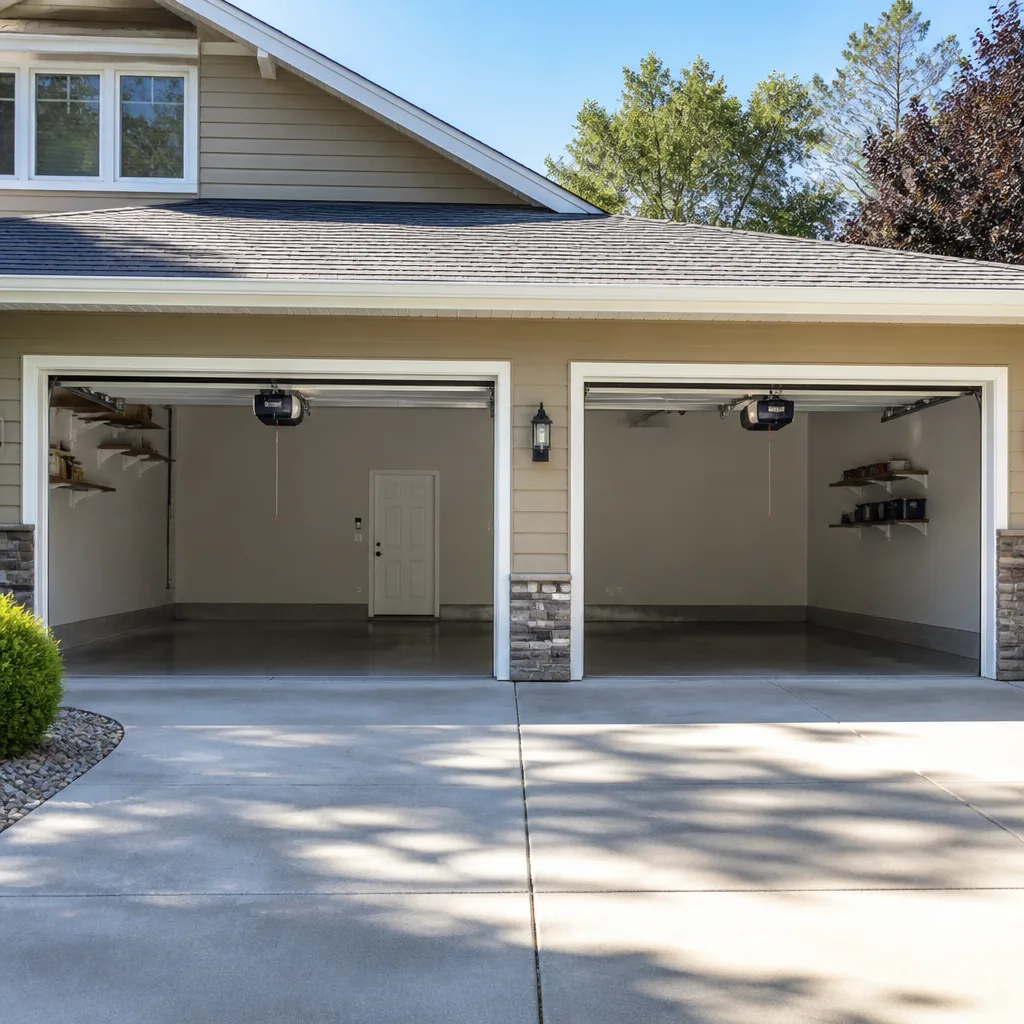
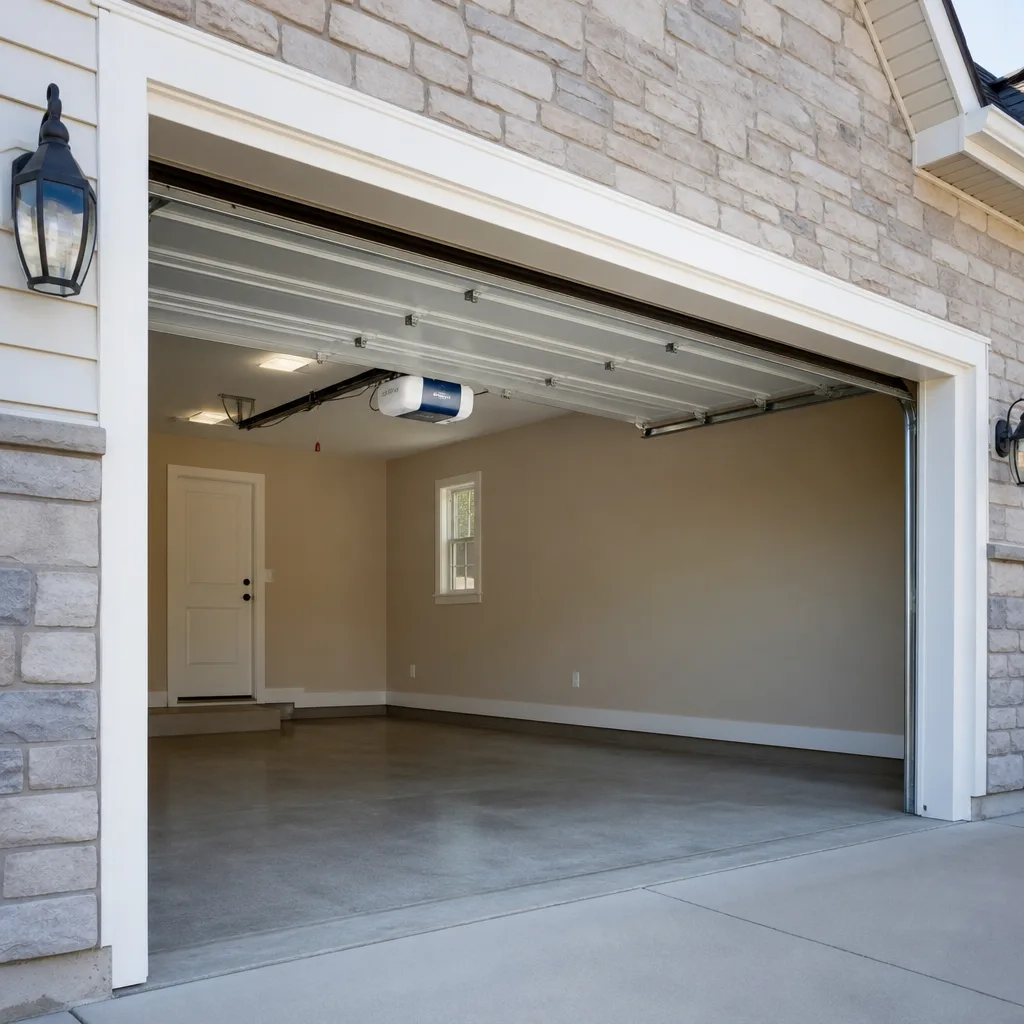
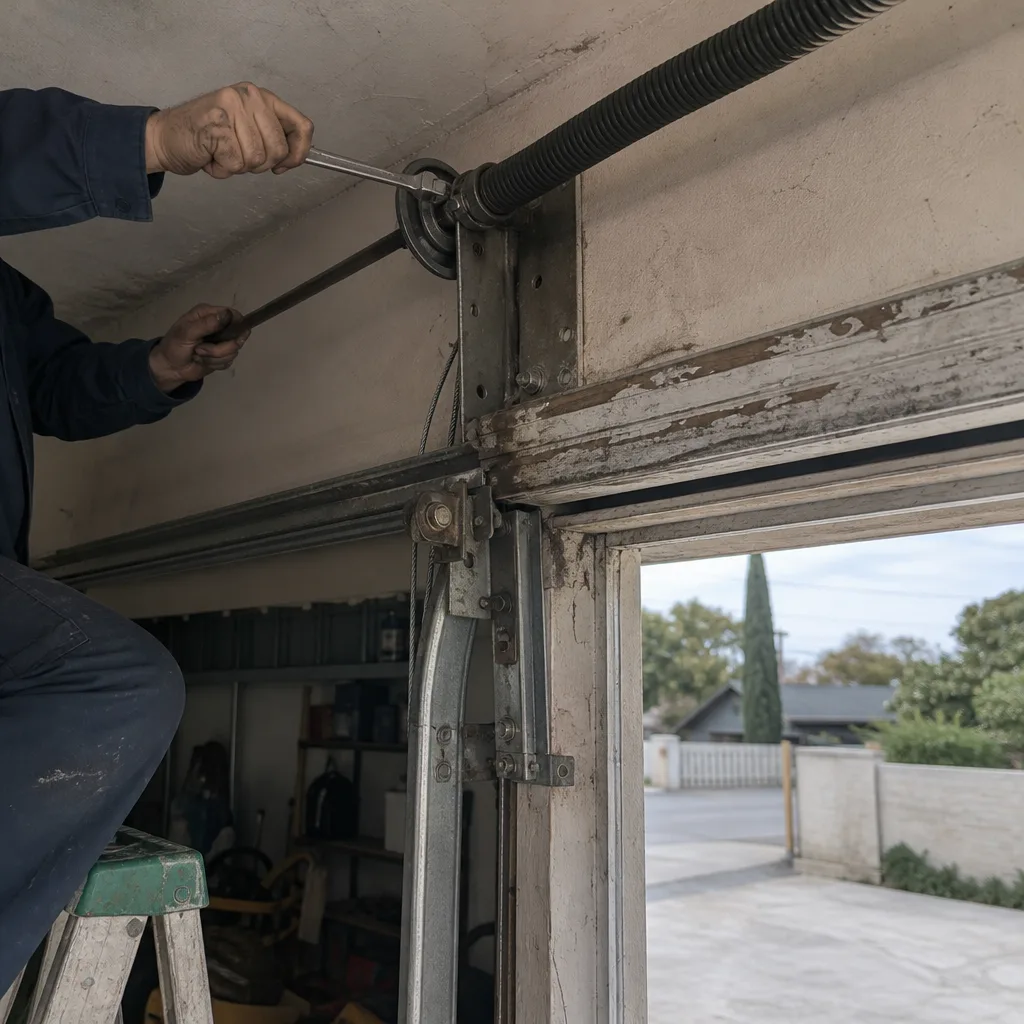 Before
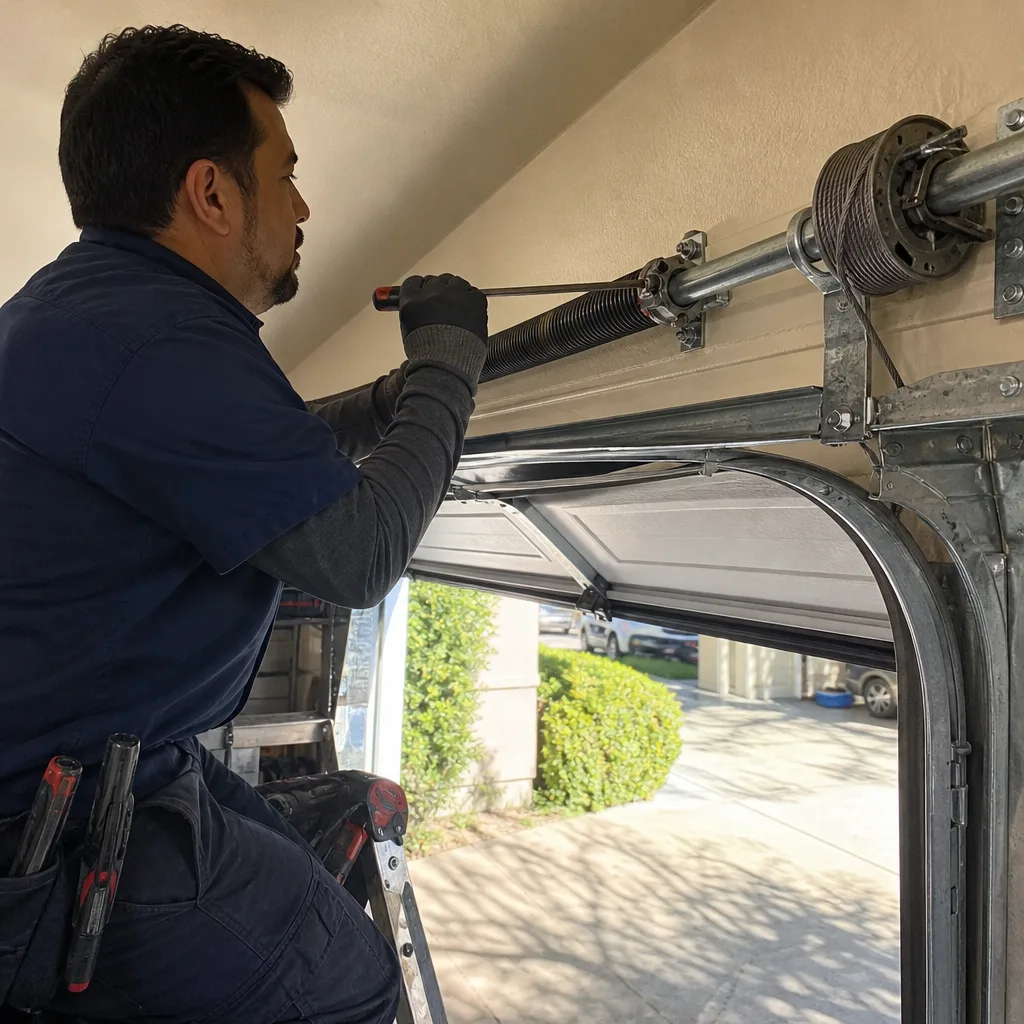 After
After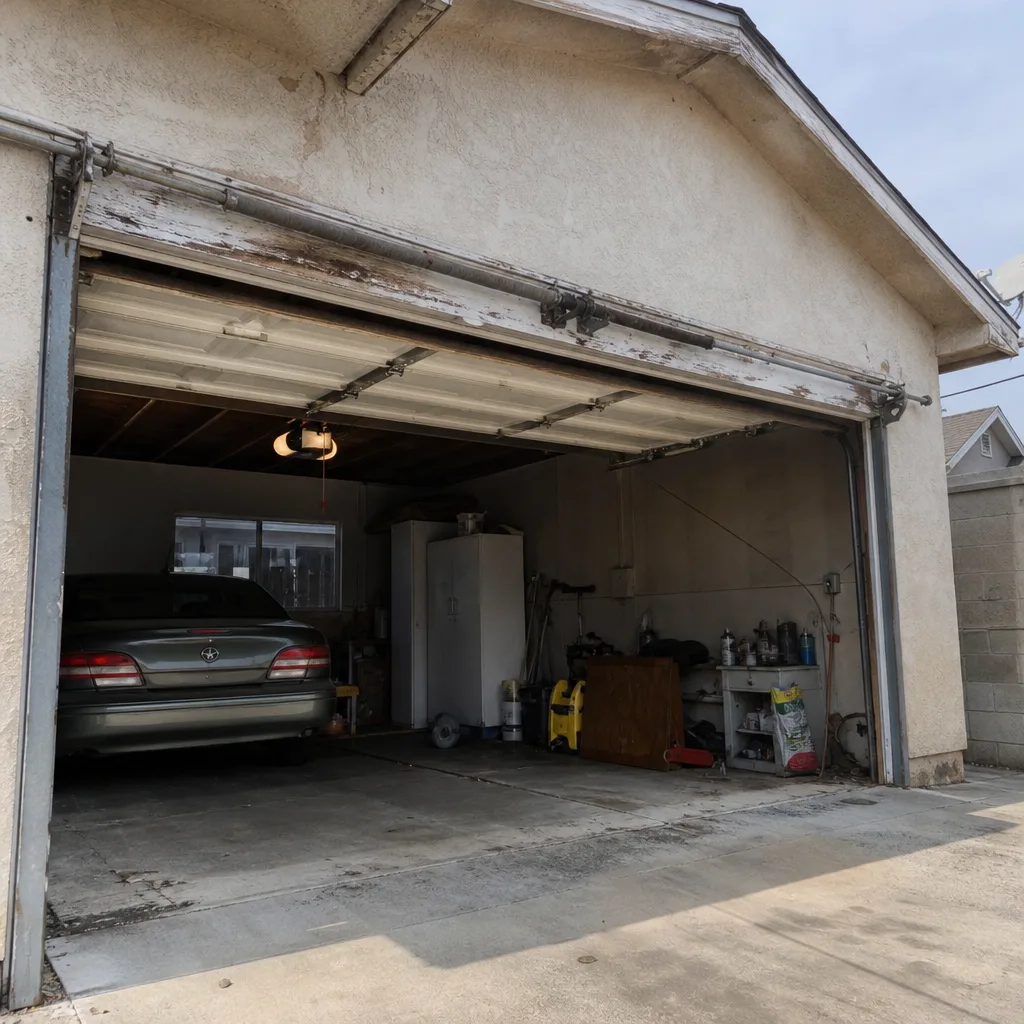 Before
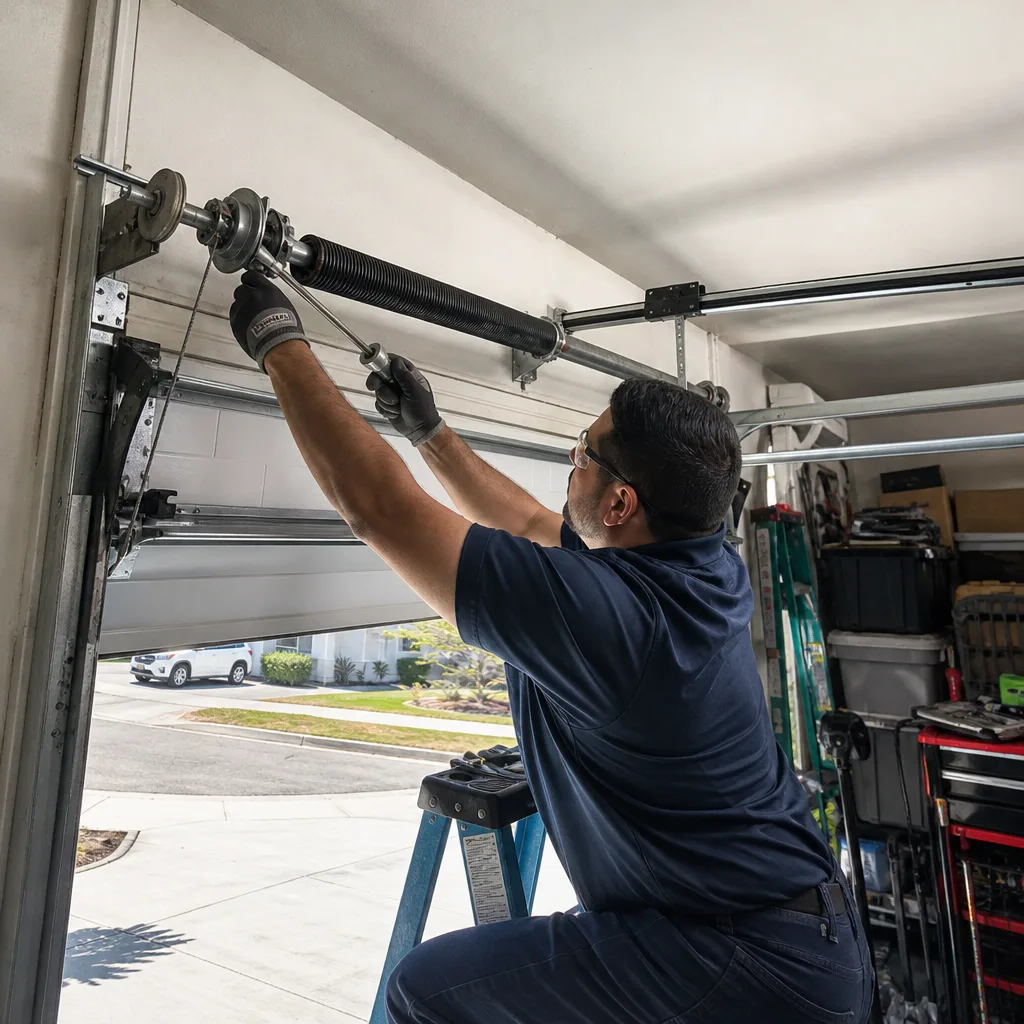 After
After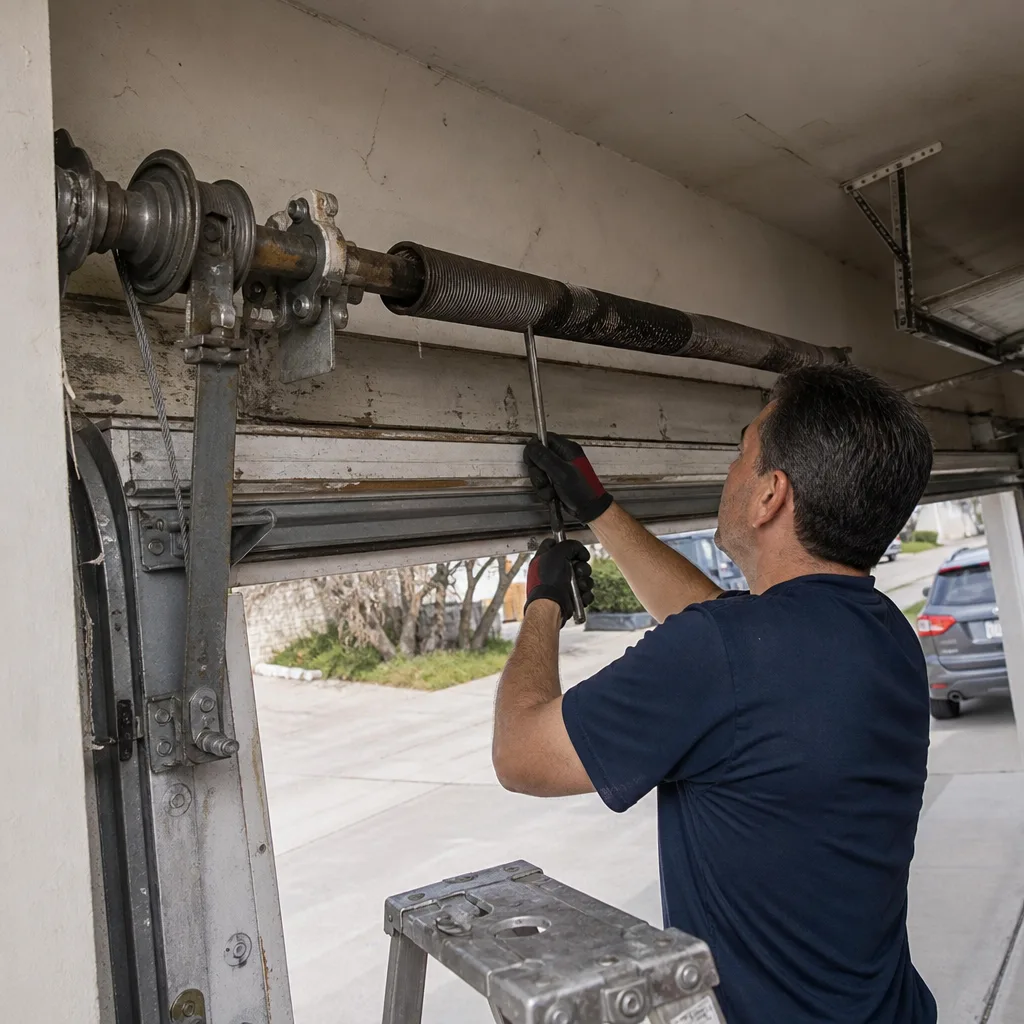 Before
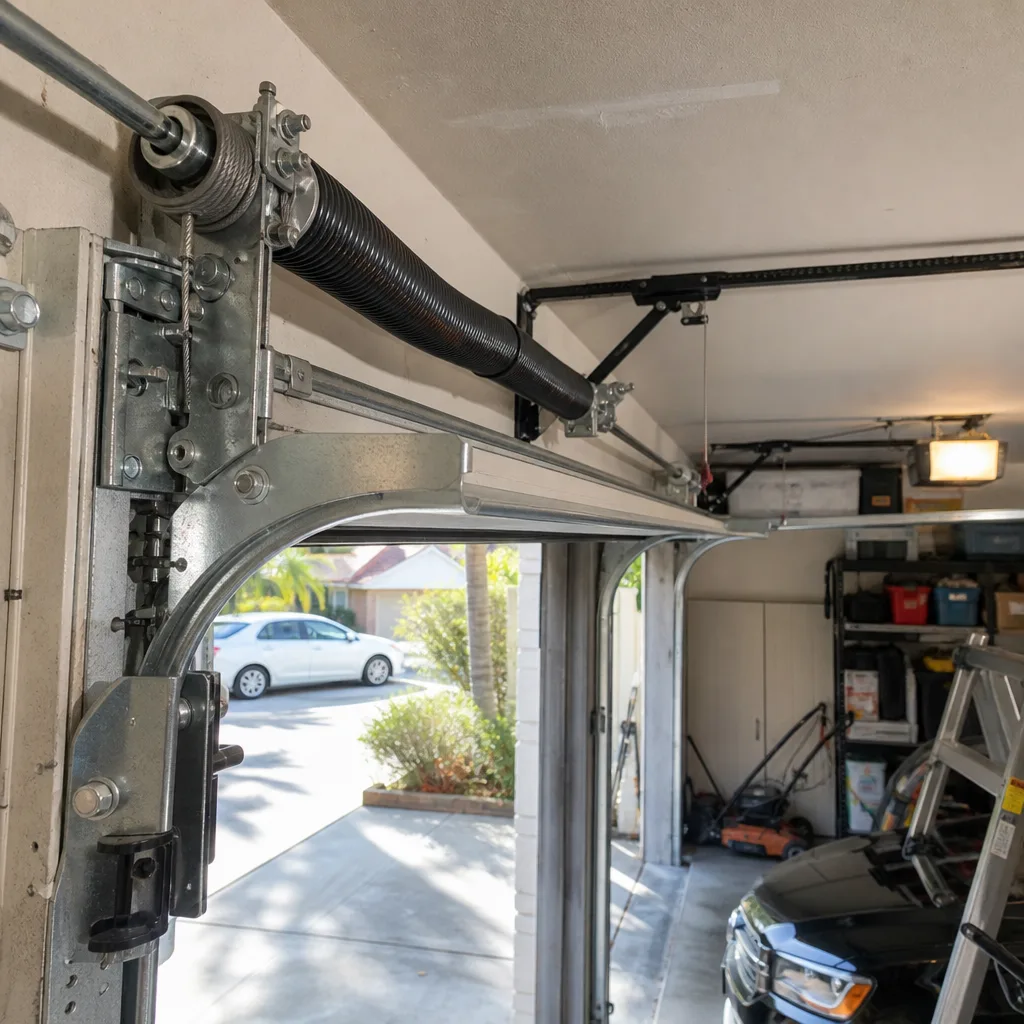 After
AfterGenie Weather Seal Replacement: The Los Angeles Owner’s Guide
We stock and install Genie-compatible bottom weather seals for every current and most discontinued Genie residential door models, and in Los Angeles the installed cost typically lands between $85 and $165. Most calls start the same way: someone notices daylight creeping under the closed door, or a garage that used to stay dry now puddles near the sill after winter rain. The fix is straightforward, but matching the right Genie profile matters more than most people expect. Here’s the complete rundown on what that part actually does, what fails, and what you should pay.
Before you read further, know that Doyle Garage Door Repair is an independent service provider. We’re not affiliated with Genie, but our techs work with Genie doors and openers daily, and we keep the common weather seal profiles on our trucks. Aaron Teague, our owner and lead technician, grew up in the Crenshaw district and has spent close to two decades fixing garage doors across Los Angeles, so he’s seen every failed seal configuration this city’s climate can produce.
Which Genie Models This Applies To
Genie’s residential door lines span several series, and the weather seal attachment method differs between them. The most common setups we see in Los Angeles garages use a T-channel retainer: the aluminum track riveted or screwed to the bottom of the door, where the seal’s T-shaped spine slides in from one end. Genie doors sold through big-box retailers and installed by production builders throughout the San Fernando Valley and South Bay typically use this standard T-style channel. If your door has a round bulb seal tucked into a U-shaped aluminum channel instead, you’re likely working with an older Genie Pro series or a builder-grade door from the late 1990s through mid-2000s. These take a different profile entirely, and forcing a T-seal into a U-channel will tear the rubber within weeks.
The fastest identification route is to check the metal tag on the interior door panel near the center stile. Genie stamps a door model code like G500, G600, or ProMax there. If the tag is painted over or missing, measure the retainer channel opening with a ruler: T-style channels run about 3/8 inch wide at the slot, while bulb-style U-channels measure closer to 1/2 inch. For Genie doors specifically, we also carry the wide T-seal profiles used on their current insulated steel models, because a standard residential universal seal sits too high and leaves a visible gap at the corners. When we quote a seal replacement, we ask for a photo of the door bottom before we roll out, so the right profile goes on the truck the first time.
Signs Your Genie Weather Seal Replacement Is Failing
A failed Genie weather seal doesn’t usually announce itself with one dramatic event. It fades, then cracks, then stops doing its job. Here are the five telltale symptoms we see across Los Angeles garages:
- Daylight under the closed door. This is the most common first sign. The rubber has compressed or torn so the door no longer meets the concrete cleanly. Over time, the slab itself shifts, and what was once a tight seal becomes a persistent gap at one corner.
- Water pooling at the garage door sill after rain. Los Angeles gets concentrated winter downpours, and a hardened seal channels water under the door rather than stopping it. In neighborhoods like Silver Lake and Echo Park where garages sit at the bottom of sloping driveways, the problem is amplified.
- Visible cracks, splits, or a flattened profile in the rubber. Look at the seal from inside the garage with the door down. If the bottom edge looks squared off instead of rounded, or you can see fissures, the EPDM or rubber compound has sun-baked and lost its elasticity.
- Hot spots near the door on summer afternoons. A worn seal lets heated outside air pour into the garage, which matters if a bedroom sits above or behind the garage wall. The seal is part of your home’s thermal envelope, not just a dust barrier.
- Dust, grass clippings, or pest activity near the door base. A garage that accumulates fine grit on the floor or shows evidence of rodents gaining entry often has a bottom seal that’s lost its ability to stay pressed against the slab across its full width.
Replacement Cost & What’s Included
In Los Angeles, an installed Genie-compatible weather seal replacement from Doyle Garage Door Repair runs $85 to $165. The range hinges on three factors: the seal profile your door requires, the condition of the aluminum retainer, and the accessibility of the door bottom. A standard T-style seal on a single-car door with a clean, straight retainer lands at the lower end. A bulb-style replacement on an older Genie Pro door, where the U-channel needs to be unscrewed, cleaned of accumulated grit, and realigned, approaches the upper end.
Every quote is written down and handed to you before a single tool comes out of the van. That price includes the seal material, removal of the old part, cleaning and inspection of the retainer, installation, a test close cycle, and our 365-Day Done Right Promise in writing: if the seal fails for any reason within 365 days from the date of repair, we come back and make it right at no charge. No verbal estimates, no invoice surprises.
DIY or Call Us?
Replacing a weather seal is one of the safer garage door maintenance tasks, but the specific Genie profile and worn retainers make it less forgiving than it looks online. An owner can slide a new T-seal into a straight, undamaged aluminum track with some patience and dish soap as lubricant. The problem is that most Los Angeles garage slabs have shifted over ten or twenty years, and the retainer itself is often dented, corroded, or mounted slightly askew. When an amateur forces a seal into a damaged retainer, the rubber bunches at one end and pulls free within weeks.
Where we add value is the full inspection: while the door bottom is exposed, we check the balance, the track alignment, and the condition of the retainer screws. If the seal failed prematurely due to a misaligned door or a bent retainer, replacing the rubber alone won’t hold. If you’d rather have it done right the first time and know exactly who’s arriving, call (910) 858-8029 for a written quote.
FAQs
In Los Angeles, a Genie bottom weather seal typically lasts 4 to 7 years depending on sun exposure, garage door usage, and whether the door rests against a shaded or west-facing slab. Direct afternoon UV on a west-facing garage in the Valley bakes the rubber faster than a shaded Silver Lake garage by a meaningful margin. If your seal is over five years old and showing cracks, replacement is overdue.
No. The rubber weather seal is not repairable once it splits, flattens, or tears. Adhesives and tape don’t hold under compression stress, and any patched section will fail within weeks. Replacement is the only lasting fix, which is why we price it as a simple, expected maintenance item rather than a repair. Call (910) 858-8029 and we’ll give you an exact written quote, free of charge.
A standard Genie weather seal replacement takes 30 to 60 minutes on site. That includes removing the old seal, cleaning the retainer track, sliding the new profile into place, cycling the door to confirm proper contact with the slab, and checking the corners for gaps. The only thing that adds time is a retainer that needs realignment or cleaning, and we’ll tell you before we start.
Yes. Our techs carry the standard Genie T-style seals, wide-profile insulated door seals, and the U-channel bulb seals for older Genie Pro and builder-series doors. We also keep profiles compatible with LiftMaster and Chamberlain door configs. If your Genie door uses an uncommon retainer, we’ll source it and schedule the return visit, though in over ten years of carrying these profiles, that’s been rare. Call (910) 858-8029 and describe your door, and we’ll tell you if we can do it same day.
Written by Aaron Teague, Owner & Lead Technician, Doyle Garage Door Repair at Doyle Garage Door Repair, serving Los Angeles and nearby areas.