
Full 25-point door and opener safety check with every visit - springs, cables, rollers, tracks, and your LiftMaster or Chamberlain opener included
You get a price before we start. It does not change when the truck arrives.
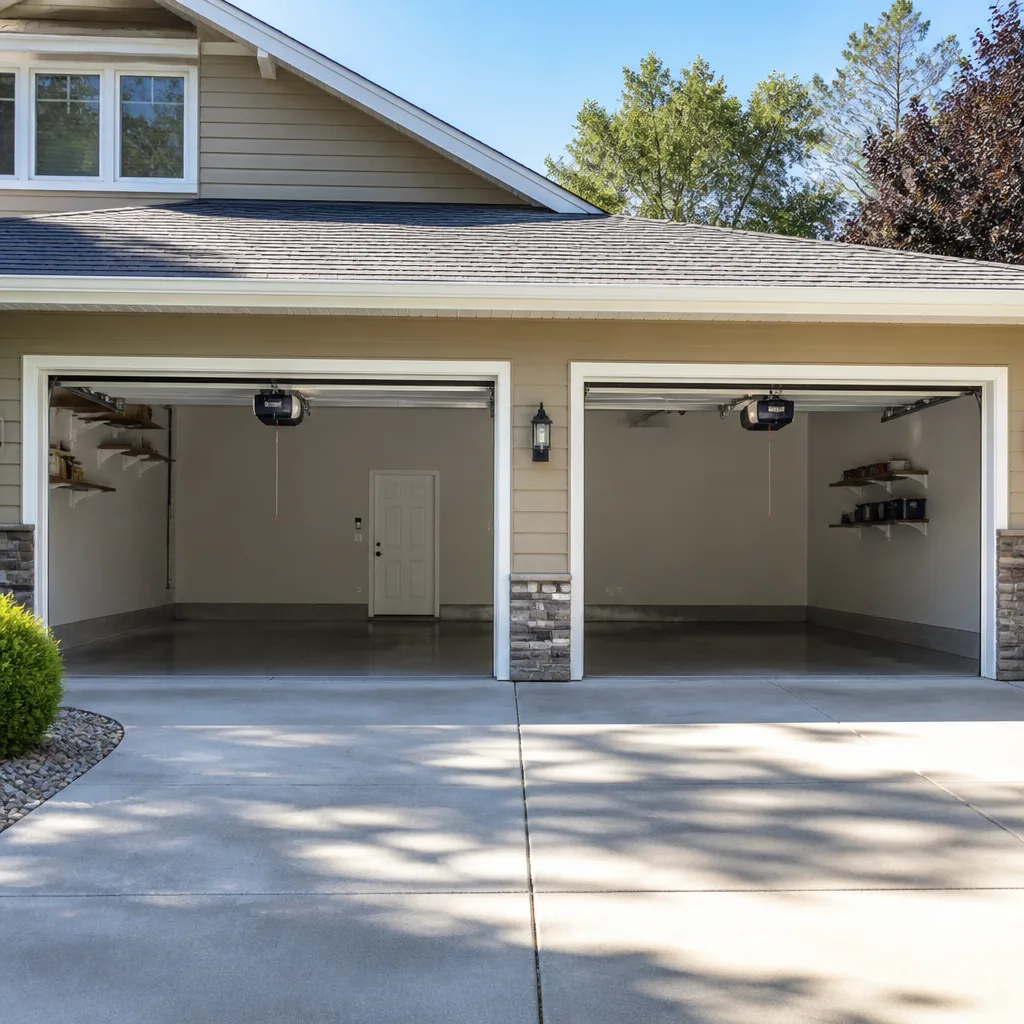
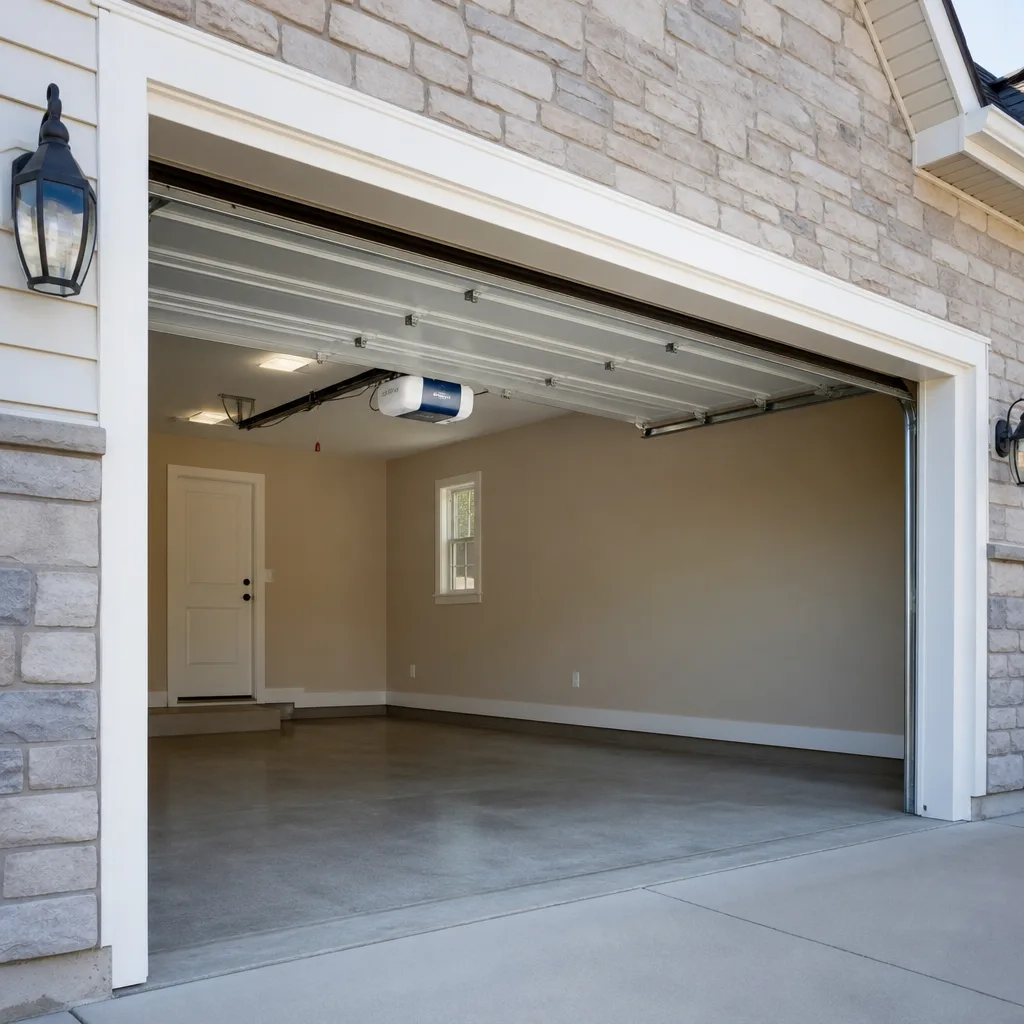
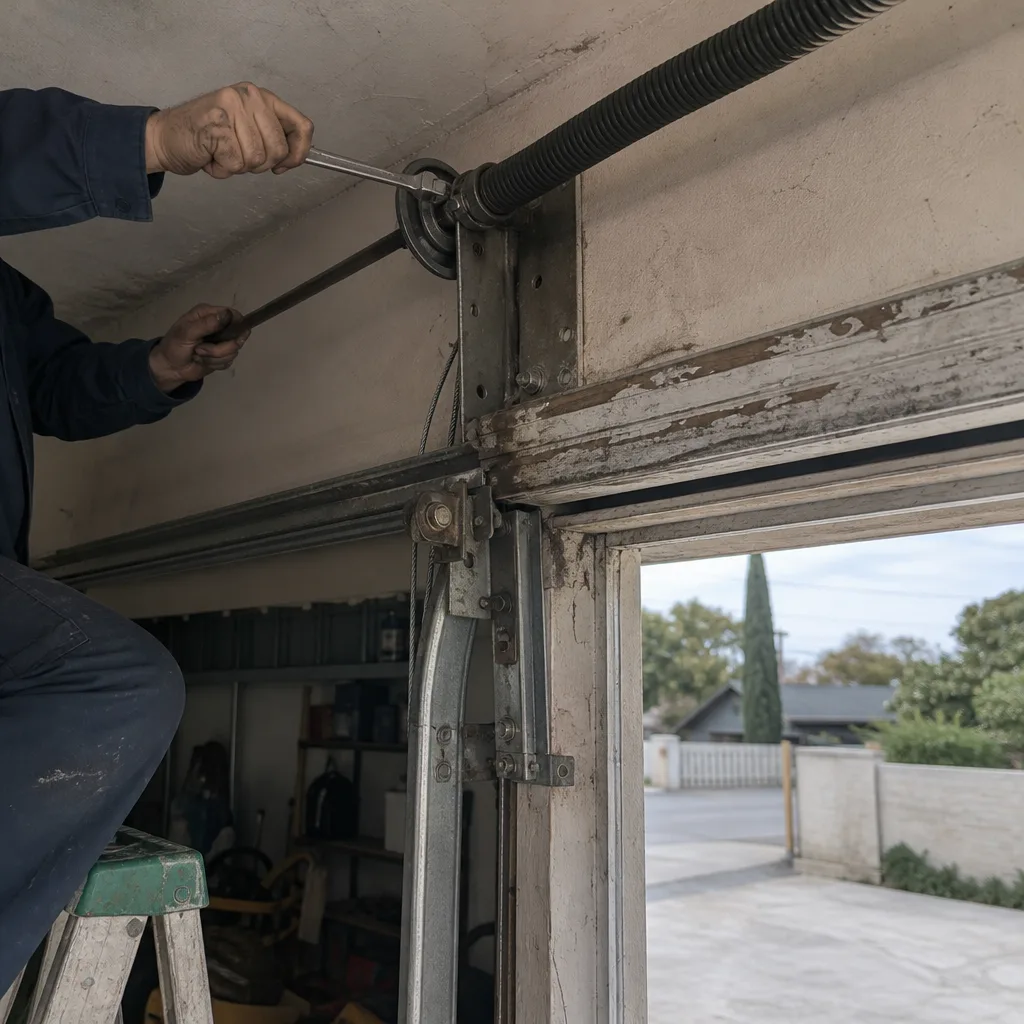 Before
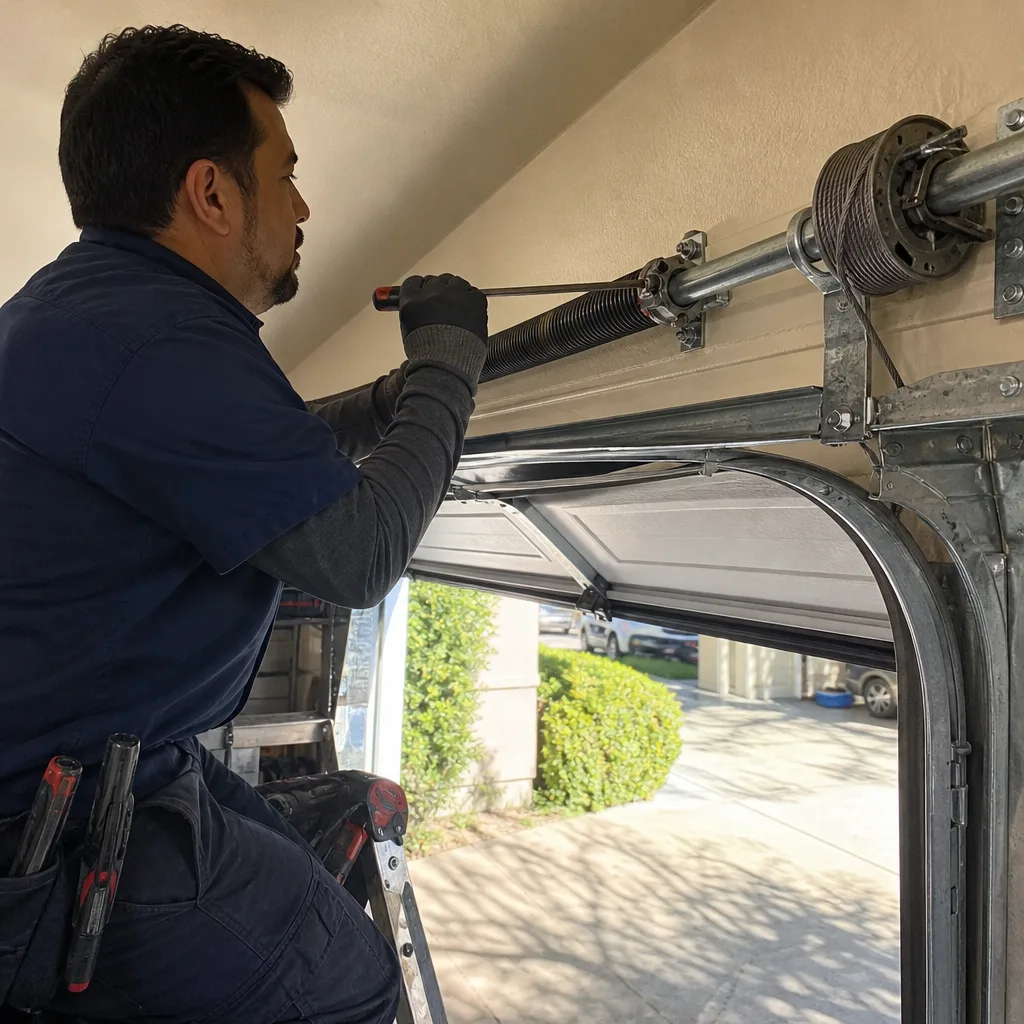 After
After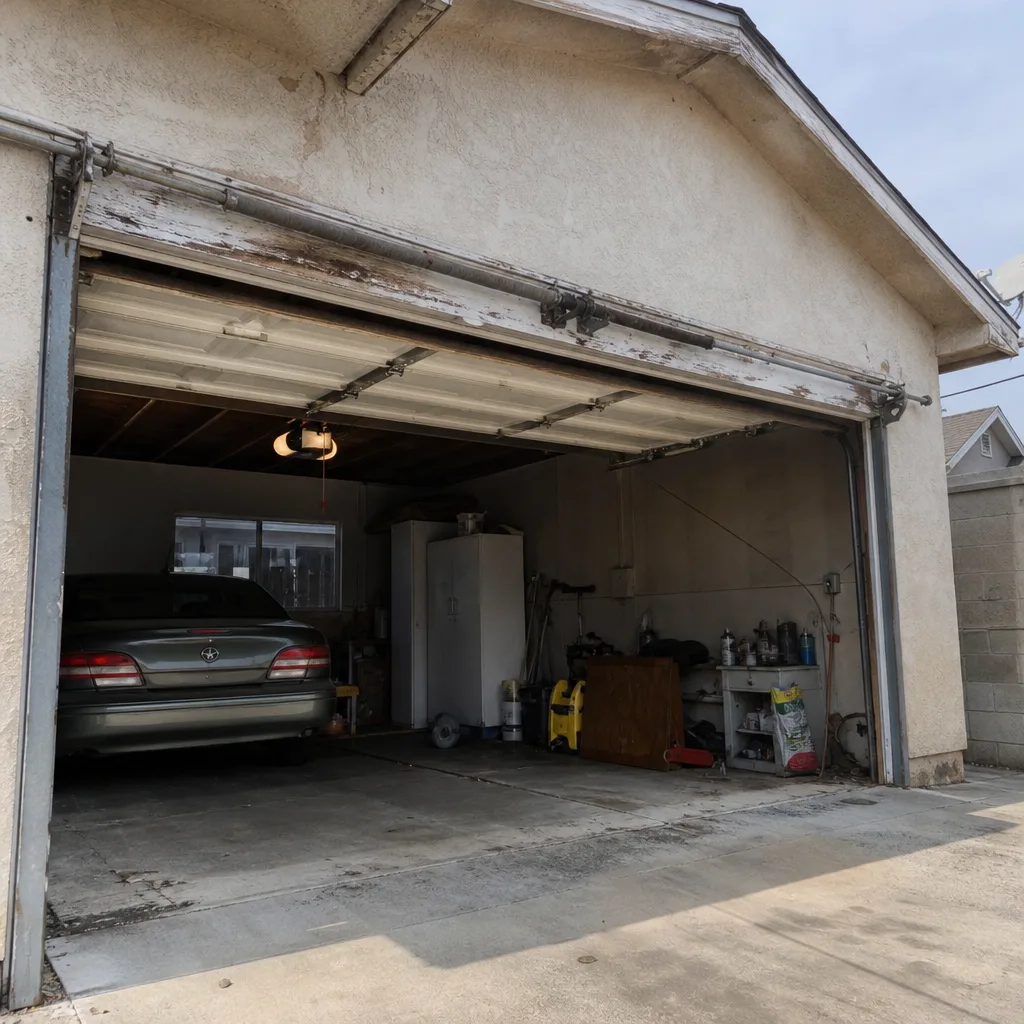 Before
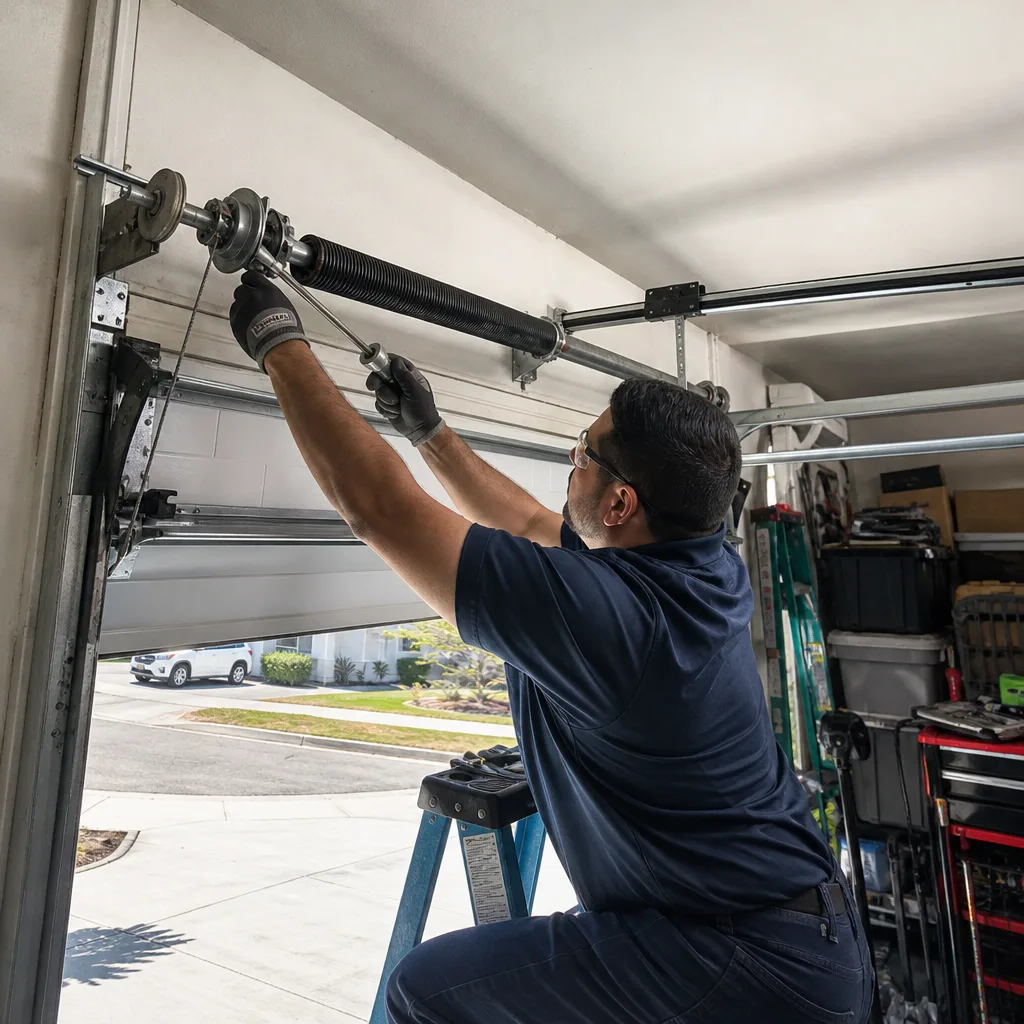 After
After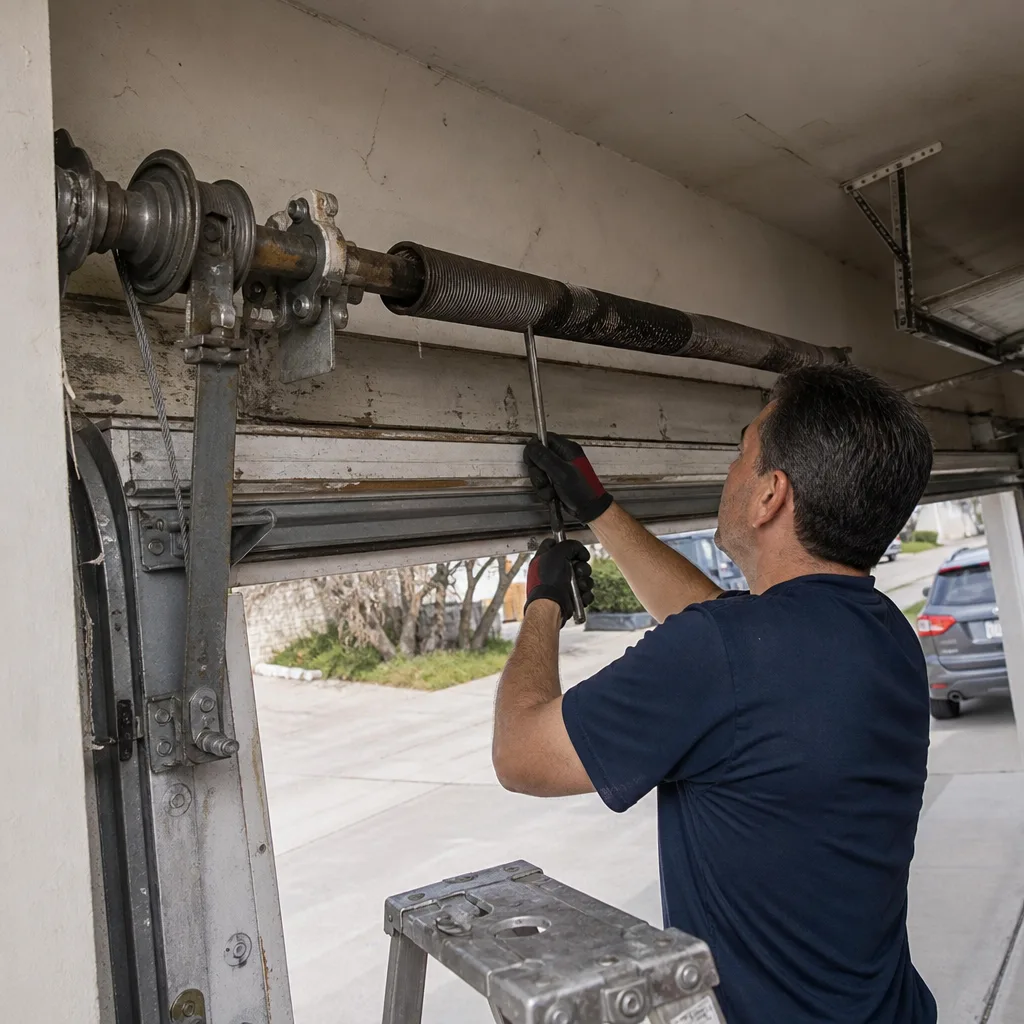 Before
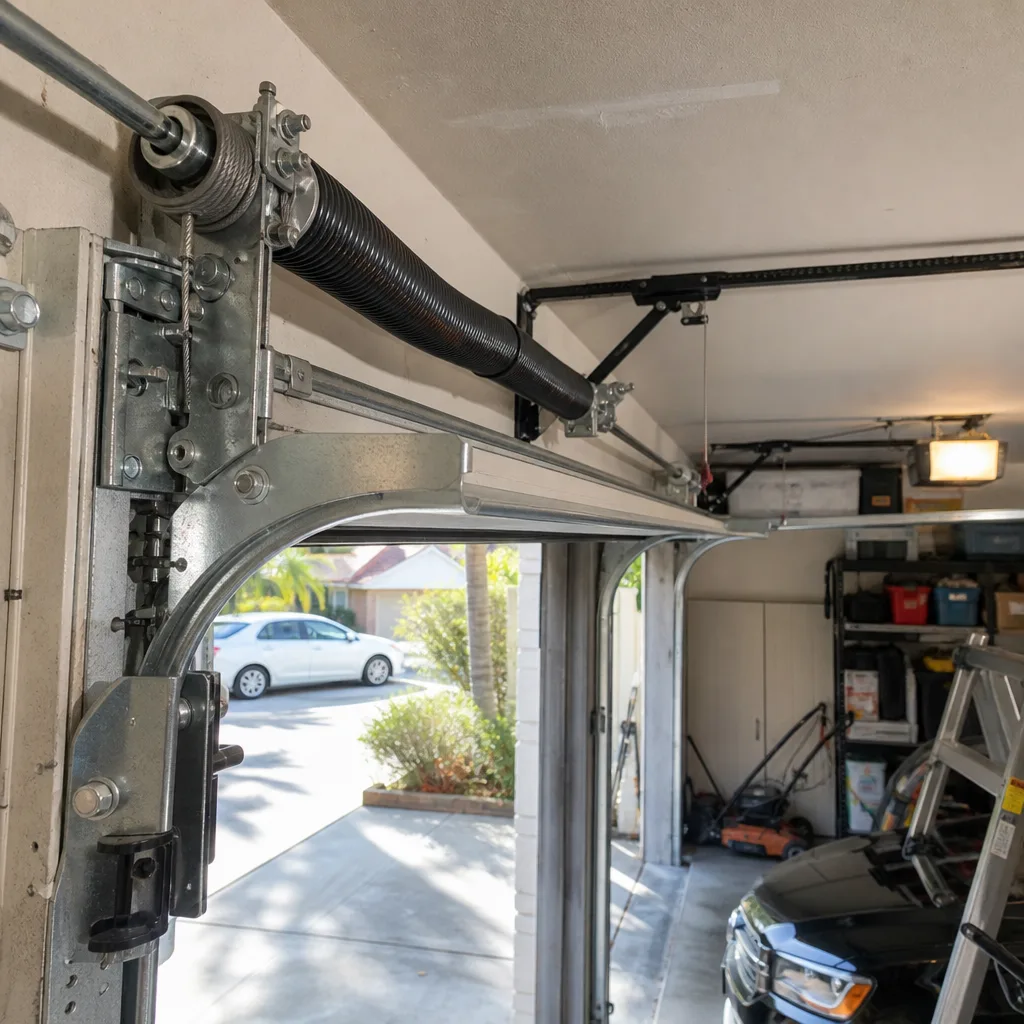 After
AfterGenie Roller Replacement: The Los Angeles Owner’s Guide
A full Genie roller replacement in Los Angeles typically runs $130 – $260 installed, including the parts, labor, and the 365-Day Done Right Promise in writing. We stock Genie-compatible rollers on our trucks across the city, from Echo Park to Encino, and in most cases we can swap a failing set the same day you call. The part itself rarely costs more than $10 to $20 per roller, but you’re paying for the labor to get the door properly balanced, aligned, and quiet again.
Most Los Angeles homeowners discover a roller problem the same way: the door starts sounding like a shopping cart with a broken wheel, or it shudders on the way up and hangs slightly crooked at the halfway point. Sometimes it’s a bang, sometimes it’s a grind. The root cause is almost always the same: the nylon wheel on one or more Genie rollers has worn down, cracked, or seized, and now the steel shaft is dragging through the track.
Which Genie Models This Applies To
Genie has used the same basic roller design across most of its residential door systems for decades, but there are three details that matter when matching a replacement to your door. First, the shaft diameter: the overwhelming majority of Genie residential doors use 7/16-inch shafts, though older models from the 1990s occasionally take a 11-gauge 1/2-inch shaft, and commercial or extra-heavy doors sometimes step up to a 5/8-inch shaft. Second, the wheel diameter: most Genie rollers are 2 inches in wheel diameter, but doors that run on low-headroom tracks or tighter radius setups sometimes use a 1-3/4-inch wheel. Third, the wheel material: nylon is standard for Genie residential doors, ball-bearing rollers are quieter and last longer, and steel wheels are for commercial doors only.
The easiest way to identify what you have is to look at the roller shaft where it meets the hinge. If you can see a number stamped on the hinge or the bracket, that helps us match it. If not, we measure on site: shaft diameter, wheel diameter, and stem length. A steel shaft that’s badly scored or a wheel that won’t spin is a straightforward match. And one note: Genie does sell rollers under its own part numbers, but quality aftermarket equivalents from brands like LiftMaster and Chamberlain (which we also stock) are often made to the same or better spec for less money. We’ll tell you what’s actually on the door and what gives you the best value, and you get the written price before we turn a single bolt.
Signs Your Genie Roller Replacement Is Failing
- A scraping or grinding noise when the door moves. This is the nylon wheel worn through to the steel underneath. Once the wheel is gone, the roller is dragging metal through metal, and the track starts taking damage.
- The door shudders or hops in one spot mid-travel. A flat spot on a worn roller creates a “catch and release” motion. The door will pause for a split second, then jump forward, right around the same point every time.
- The door hangs tilted or uneven when partially open. When one roller wears faster than the others, the door rides lower on that side. Left alone, this pulls the track out of alignment and puts uneven strain on the springs.
- A popping or clicking sound as the door passes a specific spot. That’s usually a roller that has cracked and is flexing under load, or a bearing inside the wheel that has seized and is now turning against itself.
- Visible wear on the roller wheel or shaft. If the nylon looks cracked, chipped, or flattened, or if the shaft is scored and rusted, the roller is done. Rust is especially common on doors within a few miles of the coast, where salt air accelerates corrosion on exposed metal.
Replacement Cost & What’s Included
In Los Angeles, a Genie roller replacement installs for $130 – $260 on most residential doors. The lower end covers doors with five or fewer rollers being swapped and easy access, the upper end covers full sets of ten to twelve rollers on heavier wood doors, or doors that need track alignment to correct the damage a bad roller caused. Every job includes the rollers themselves, the hardware, and our standard written price handed to you before any work starts.
We don’t do verbal estimates, and we don’t surprise you after the fact. The price you approve is the price you pay. Because a worn roller that’s been left to ride flat will have chewed up the inside of the track, a competent replacement often includes a track inspection and minor realignment, which we factor into the quote up front. And as with every repair at Doyle Garage Door Repair, the work is covered by our 365-Day Done Right Promise: if it’s not done right, we make it right, free of charge, for a full year from the date of repair.
DIY or Call Us?
Roller replacement sits in a strange middle ground. The roller itself is not under dangerous tension like a torsion spring, so it’s not a job that can injure you the way a spring can. But the door is heavy, the track is unforgiving, and the bottom roller on each side is attached with a cable that runs under tension to the spring system. In most cases, the bottom rollers cannot be removed without releasing that cable tension, and that’s the moment the job stops being a ten-minute YouTube fix and becomes a serious finger, hand, and face injury risk.
What you can safely do is inspect: with the door closed, look at the roller wheels. If you see cracks, flat spots, or missing nylon, you’ve found the problem. What you shouldn’t do is unbolt the bottom roller bracket while the cable is attached. If you’ve got a top or middle roller that has simply popped out or a door that’s off track, that’s still a job for a trained technician with the right tools. And Aaron Teague’s take after nearly twenty years in this trade across Los Angeles: “You’ll know who’s coming, what’s broken, and what it costs – before I pull into your driveway.” If you’d rather not get up close with a garage door’s moving parts, call (910) 858-8029 and we’ll do the looking for you.
FAQs
Nylon Genie rollers in Los Angeles generally last 7 to 12 years under normal use, but doors near the coast or in neighborhoods with heavy marine layer exposure often see roller failure in 5 to 7 years because salt air corrodes the steel shaft and accelerates nylon wear; if your door has been through 15 or more years without a roller replacement and sounds rough, you’re on borrowed time. Call (910) 858-8029 for an exact assessment – we’ll tell you what’s left in the set.
No, worn Genie rollers are replaced, not repaired. The nylon wheel and the steel shaft are a single unit, and once the wheel is cracked, flat, or seized, there’s nothing to repair – replacement is the only fix that restores smooth operation and protects the track. Call (910) 858-8029 to get a written quote for a full set or a single roller, whichever your door actually needs.
A full residential roller set on a Genie door typically takes 45 to 90 minutes from the time we arrive, including track inspection and any minor realignment. Call (910) 858-8029 and we’ll confirm a realistic window for your address before we dispatch.
Most of the time, yes: our Los Angeles service trucks carry Genie-compatible rollers in the common 7/16-inch shaft and 2-inch wheel size, along with the ball-bearing upsize for owners who want a quieter door; if your door needs an uncommon size, we’ll have it in hand before your appointment. Call (910) 858-8029 and we’ll confirm we have your spec before we head your way.
Written by Aaron Teague, Owner & Lead Technician, Doyle Garage Door Repair at Doyle Garage Door Repair, serving Los Angeles and nearby areas.