
Full 25-point door and opener safety check with every visit - springs, cables, rollers, tracks, and your LiftMaster or Chamberlain opener included
You get a price before we start. It does not change when the truck arrives.
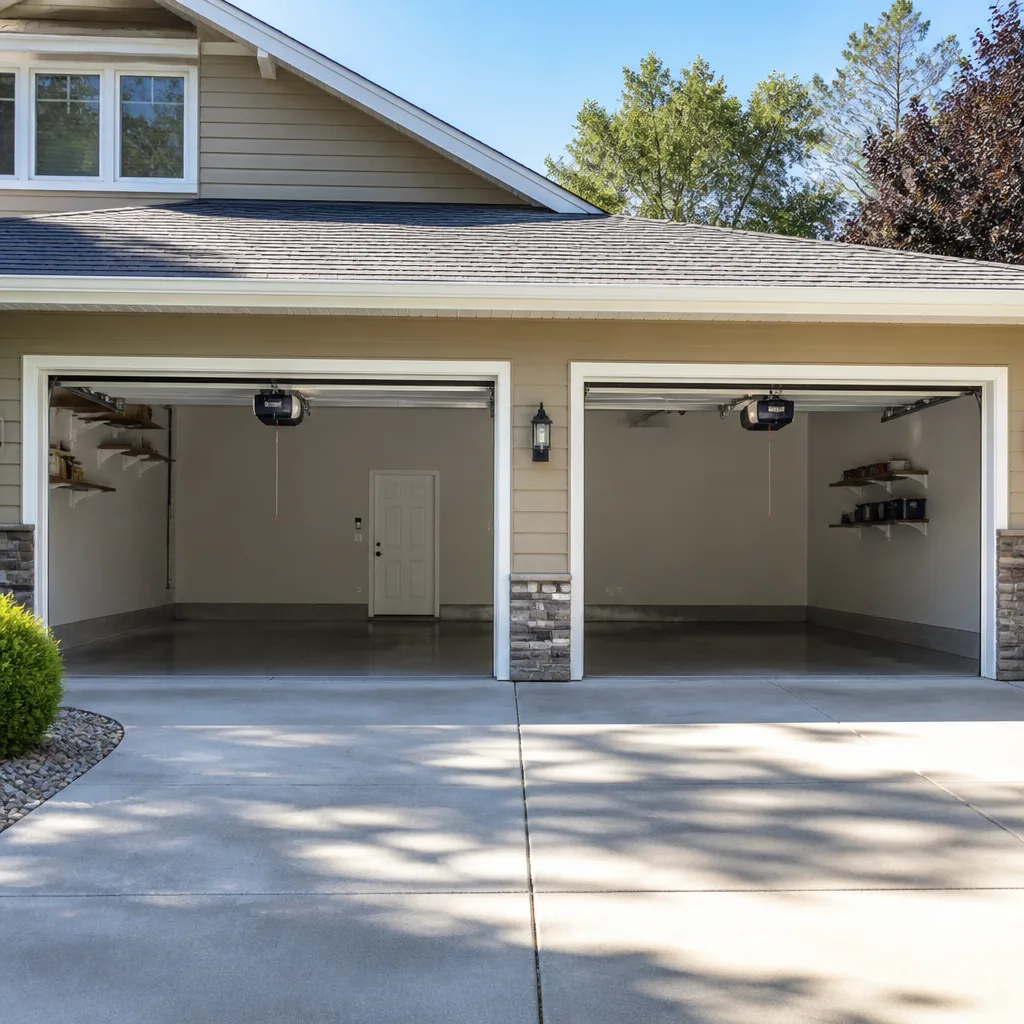
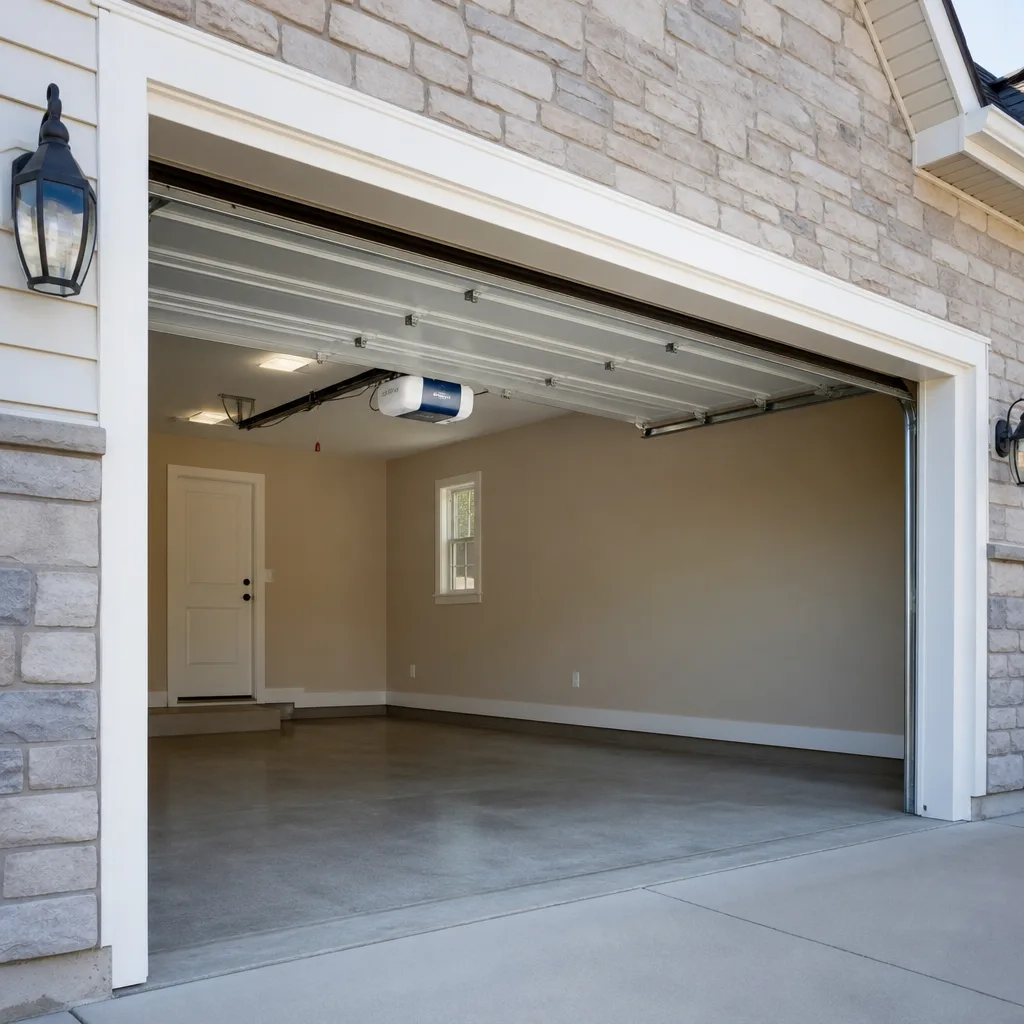
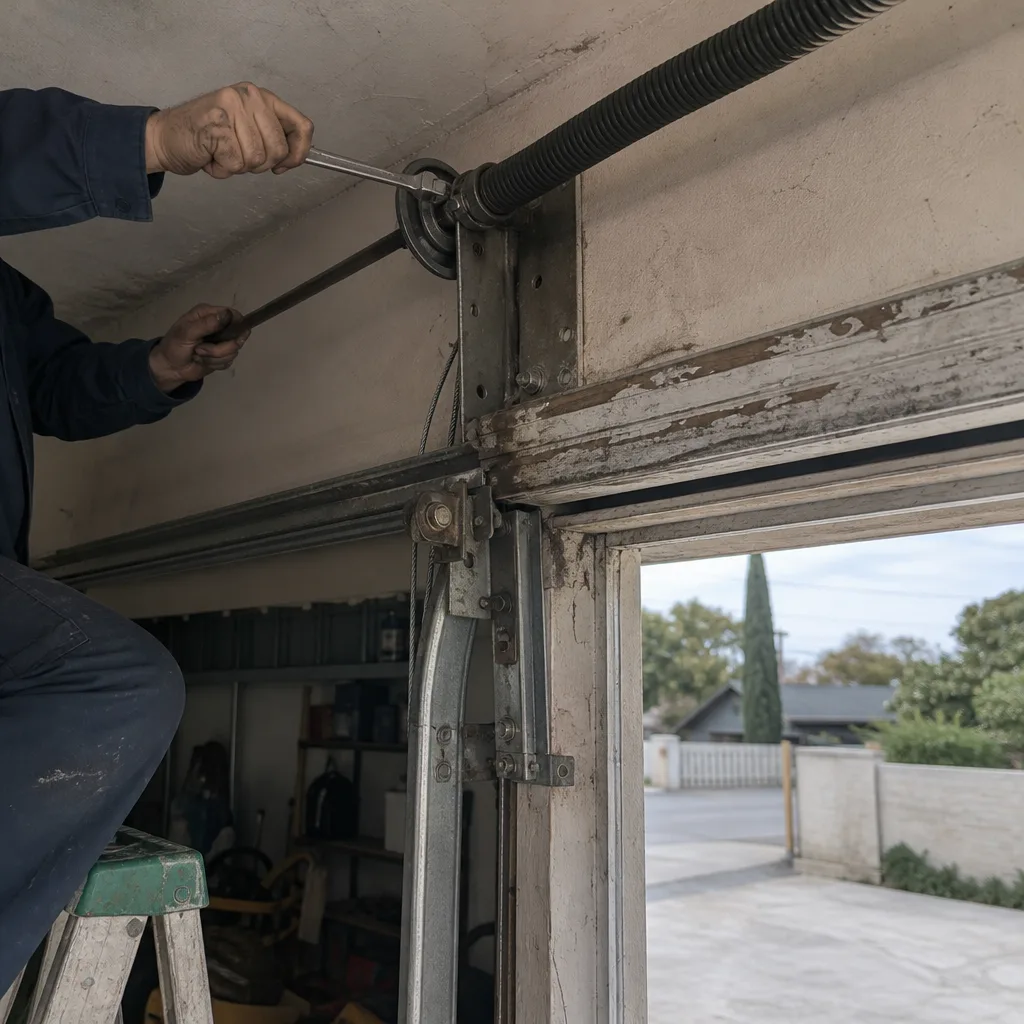 Before
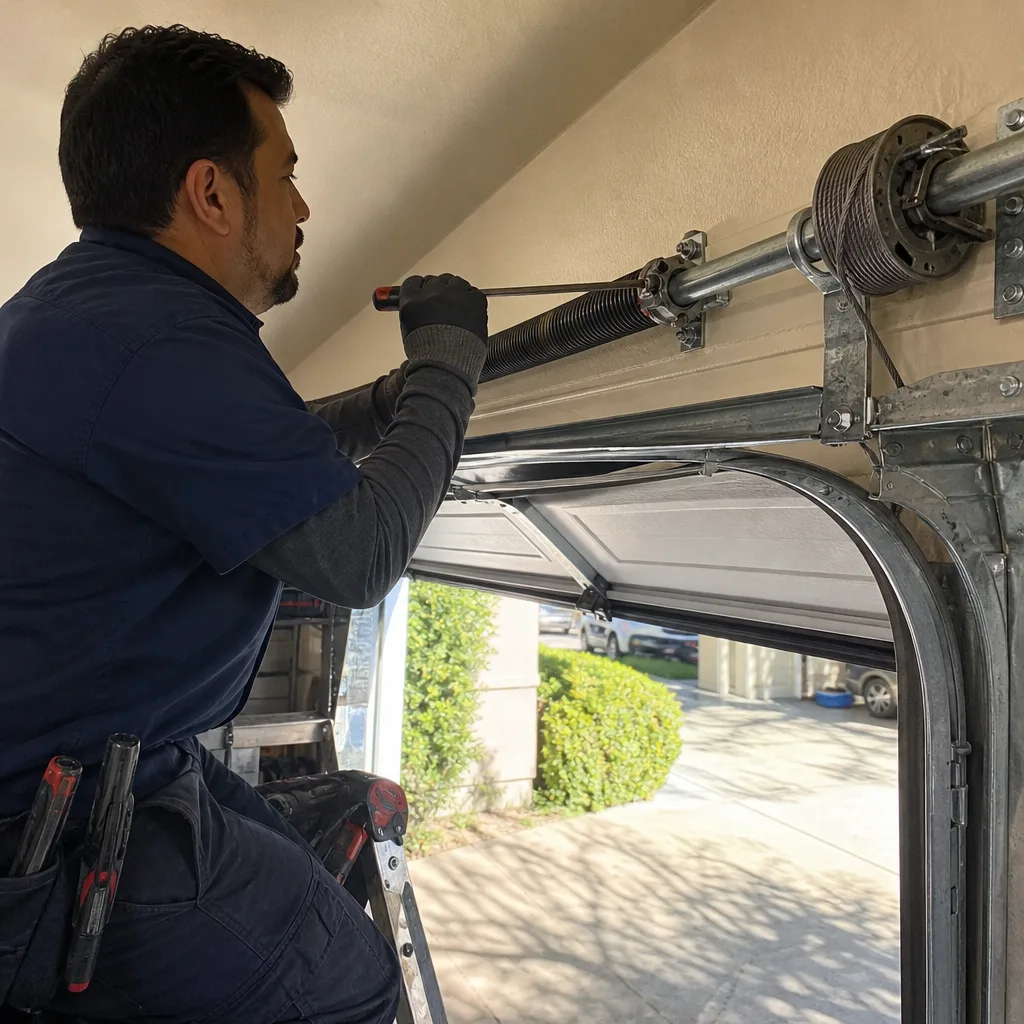 After
After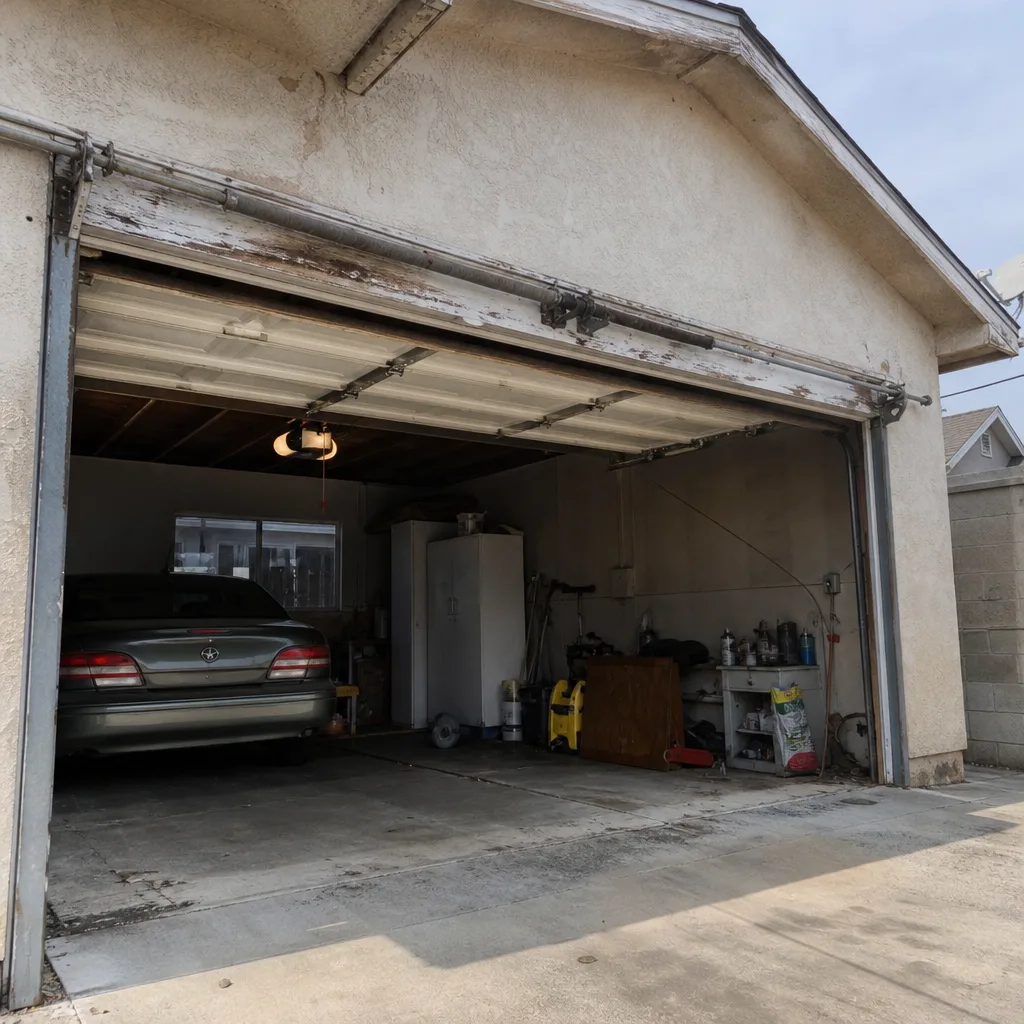 Before
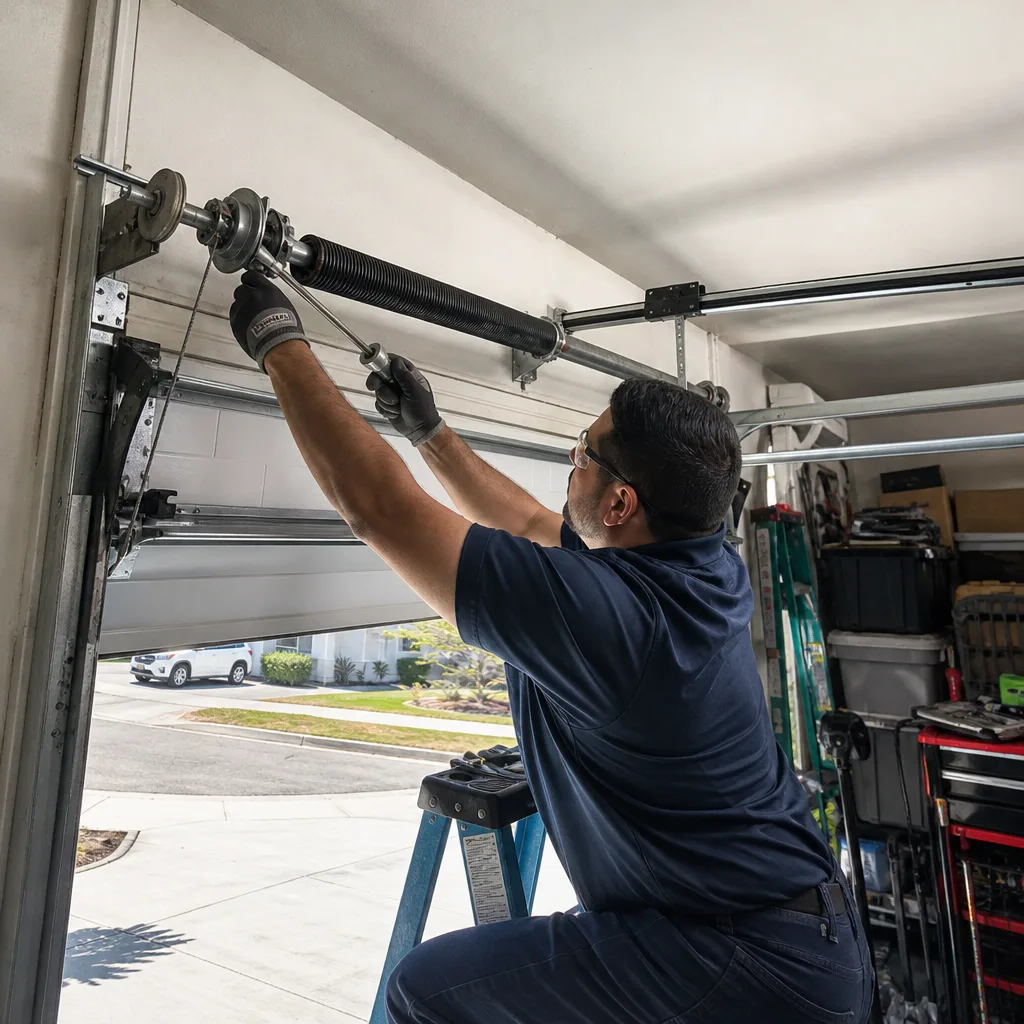 After
After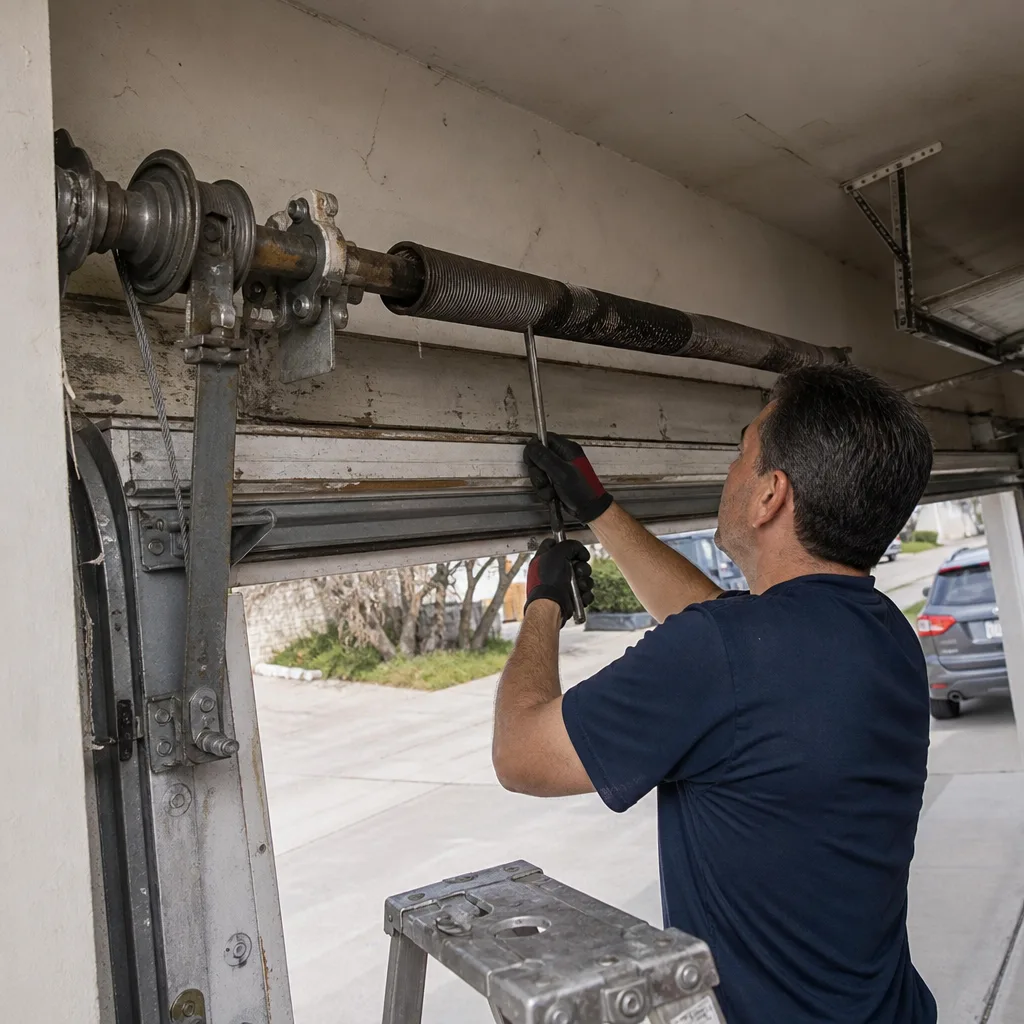 Before
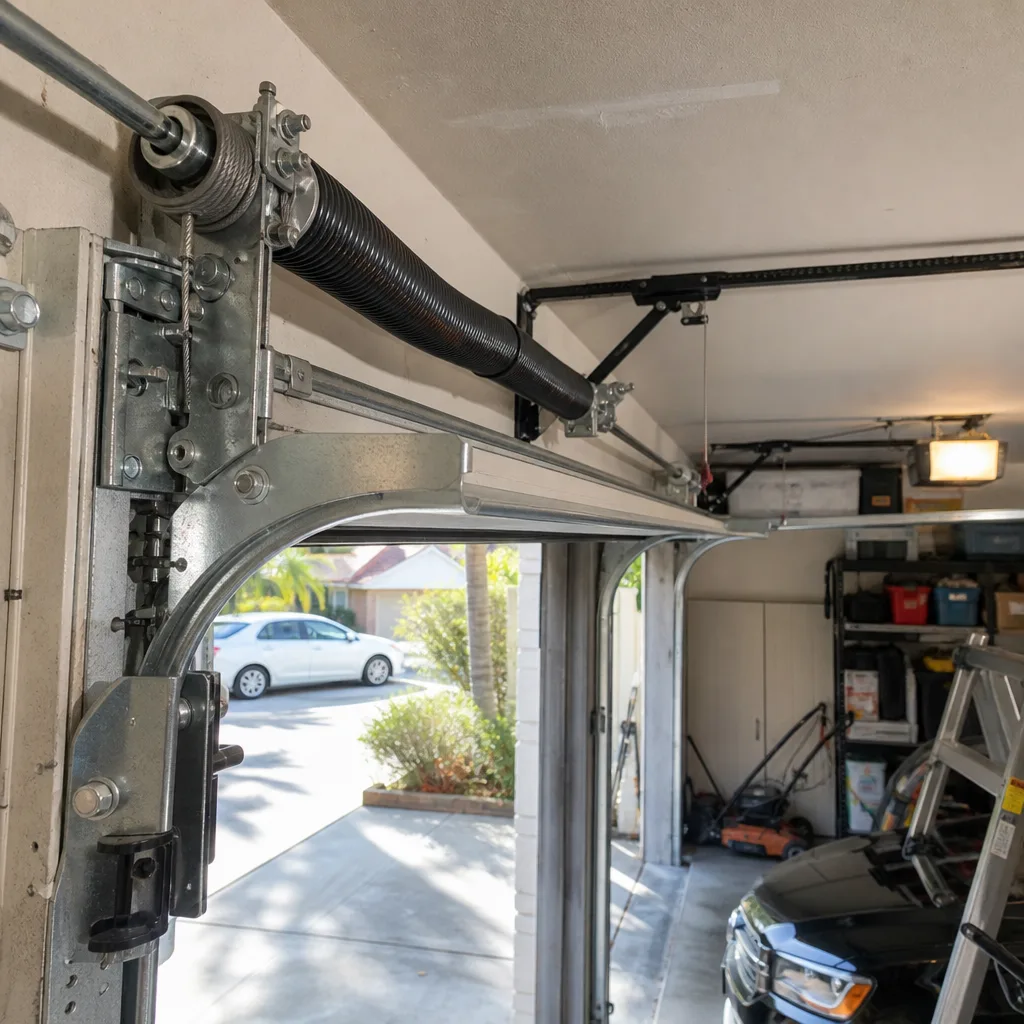 After
AfterChamberlain Weather Seal Replacement: The Los Angeles Owner’s Guide
If your Chamberlain garage door has a torn, flattened, or missing bottom weather seal, we stock Chamberlain-compatible replacement seals on our trucks and typically install them for $95 – $185 in Los Angeles, parts and labor included. Most Chamberlain weather seal replacements take under an hour once we’re at your door, and we usually have the right profile loaded for same-day service on common Chamberlain models. You’ll usually notice the problem first as daylight sneaking under a closed door, a line of dust or leaves inside the garage, or puddles forming near the interior wall after rain.
Which Chamberlain Models This Applies To
Chamberlain weather seals are not one-size-fits-all. The brand has used several distinct bottom seal profiles over the years, and matching them wrong creates the exact leak you’re trying to fix. Most Chamberlain residential doors built in the last 15 years use a T-style or bulb-style seal that slides into a retainer channel on the bottom of the door panel. Older Chamberlain-installed doors from the mid-2000s often have a different channel width, and we’ve replaced enough of them across Los Angeles to know the difference by sight. We’re an independent service provider, not affiliated with Chamberlain, but we work on their products daily.
How to Identify Your Seal Type
Look at the bottom edge of your door. If you see a black rubber strip hanging below the metal or fiberglass panel, that’s your weather seal. The quickest ID method is to pull off a small end piece if it’s already loose and check the cross-section: T-shaped, bulb-shaped, or flat with a bead. If you can’t tell, take a clear photo of the bottom edge with your phone and we can confirm it when you call before we head out.
We stock both genuine Chamberlain seals and high-grade aftermarket equivalents made from EPDM rubber. For most Los Angeles homes, a quality EPDM aftermarket seal holds up identically to OEM and costs less. If your Chamberlain door is under an active manufacturer warranty that covers the seal, we’ll tell you to use OEM so the warranty stays intact.
Compatibility Gotchas Worth Knowing
- Chamberlain vs. LiftMaster channels differ on some years. Both brands share a parent company, but certain LiftMaster retainer channels are a few millimeters wider than Chamberlain’s, which means a seal that “should” fit slides out the moment the door cycles up and down.
- UV degradation hits Los Angeles seals harder than the national average. Our sun exposure and ozone levels crack EPDM two to three years faster than coastal markets like San Diego. If your seal is gray, cracked at the folds, or leaves black residue on your fingers, it’s past due.
- Wood doors and steel doors use different retainers. If your Chamberlain opener is mounted on an older wood door, the retainer might be nailed onto the panel rather than built into it, which changes the seal profile we bring.
Signs Your Chamberlain Weather Seal Replacement Is Failing
Most Los Angeles homeowners don’t think about their weather seal until one of these symptoms shows up. Here’s what we see in the field, and what each one tells us:
- Daylight visible under the door. This is the earliest and most reliable warning. A healthy seal compresses against the concrete and blocks light completely. Gaps mean the rubber has flattened or cracked. If you can slide a pencil under the door anywhere along its width, the seal is done.
- Water pooling on the garage floor after rain. In Los Angeles we get bursts of heavy rain rather than steady drizzle. A weakened seal lets water follow the slope of your driveway straight under the door. This is especially common on doors facing west that catch afternoon runoff.
- Dust, leaves, or bugs collecting along the interior wall. Santa Ana winds push fine dust through gaps you can’t see from outside. If you find a line of grit or dead insects just inside the door, the seal is leaving an opening wider than it looks.
- Black streaks or crumbling rubber when you touch the seal. EPDM breaks down in stages. First it hardens, then it cracks, then it starts leaving residue. By the time you see black marks on your hands, the seal has lost most of its flexibility and is trapping moisture inside the channel.
- Higher energy bills or a garage that stays hot. A failed seal turns your garage into a leaky zone. Your water heater works harder, stored items bake, and if you have an attached garage, your HVAC system feels the load. The fix is a $150 part, not a $400 utility bill.
Replacement Cost & What’s Included
In Los Angeles, a Chamberlain weather seal replacement from Doyle Garage Door Repair runs $95 – $185 installed. The range depends on door width (single-car doors cost less than double), whether the retainer channel needs cleaning or replacement, and whether we’re using OEM or aftermarket EPDM. Here’s how it usually breaks down:
- Seal material: $30 – $75 depending on door width and seal type
- Labor: $65 – $110, including removing the old seal, cleaning the channel, and seating the new one correctly
- Retainer replacement (if needed): $25 – $60 extra when the old channel is bent or corroded
You get a written price before we touch a bolt. If we find retainer damage after removing the old seal, we stop and show you before adding anything. Our repair work carries the 365-Day Done Right Promise: if the seal fails within a year, we come back and make it right at no charge. You’ll know what you owe before the job starts, period.
DIY or Call Us?
Weather seal replacement looks simple, and on paper it is: pull the old rubber, push in the new, trim the ends. Where DIY goes wrong in Los Angeles is matching the seal profile correctly, dealing with a retainer channel that’s bent or full of hardened adhesive, and cutting the seal so it actually seals at the corners. We’ve fixed enough self-installed seals that were too short, too loose, or installed backward to know it’s a 45-minute job that can eat a Saturday and still leak.
This is not a dangerous part to work on, unlike torsion springs or cables, so if you’re comfortable with basic tools and have the right seal, you can absolutely do it yourself. If you’d rather not guess, call us at (910) 858-8029, and we’ll confirm compatibility, bring the right seal, and have it done quickly. Aaron Teague grew up in the Crenshaw district and has spent the better part of two decades fixing garage doors across Los Angeles, from Silver Lake bungalows to San Fernando Valley ranch houses. You’ll know who’s coming, what’s broken, and what it costs, before he pulls into your driveway.
FAQs
We typically see 5 to 8 years from a quality EPDM seal on a Los Angeles garage door, with south-facing doors wearing out on the shorter end due to UV exposure. Doors that sit in direct sun all afternoon crack and harden faster than shaded doors. If your seal is over six years old and showing cracks, replacement makes sense before the next rainy season. Call (910) 858-8029 and we’ll confirm whether yours is still doing its job.
No, once EPDM rubber has cracked, flattened, or lost its compression strength, there is no repair that restores it. Gaps can sometimes be temporarily filled with adhesive foam, but that traps moisture and accelerates corrosion in the retainer channel. Replacement is the correct fix. We stock the common profiles and can usually do it same-day in Los Angeles.
Most Chamberlain weather seal replacements take 45 to 60 minutes on-site. If the retainer channel needs cleaning or replacement, add another 15 to 30 minutes. We carry the seal and basic retainers on the truck, so there’s usually no second trip.
Yes. Our service vehicles carry common Chamberlain T-style and bulb-style seals in standard residential widths, plus EPDM aftermarket equivalents. For less common profiles we may need to pull the part from our Los Angeles supplier, and we’ll tell you that before scheduling. We also stock parts for LiftMaster and Genie doors. Call (910) 858-8029 and tell us your Chamberlain model number, and we’ll confirm what’s available today.
If your Chamberlain weather seal is shot, don’t wait for the next rain to prove it. Call (910) 858-8029 for a free estimate. A live person answers day, night, weekends, and holidays, and every job gets a written price before work starts.
Written by Aaron Teague, Owner & Lead Technician, Doyle Garage Door Repair at Doyle Garage Door Repair, serving Los Angeles and nearby areas.