
Full 25-point door and opener safety check with every visit - springs, cables, rollers, tracks, and your LiftMaster or Chamberlain opener included
You get a price before we start. It does not change when the truck arrives.
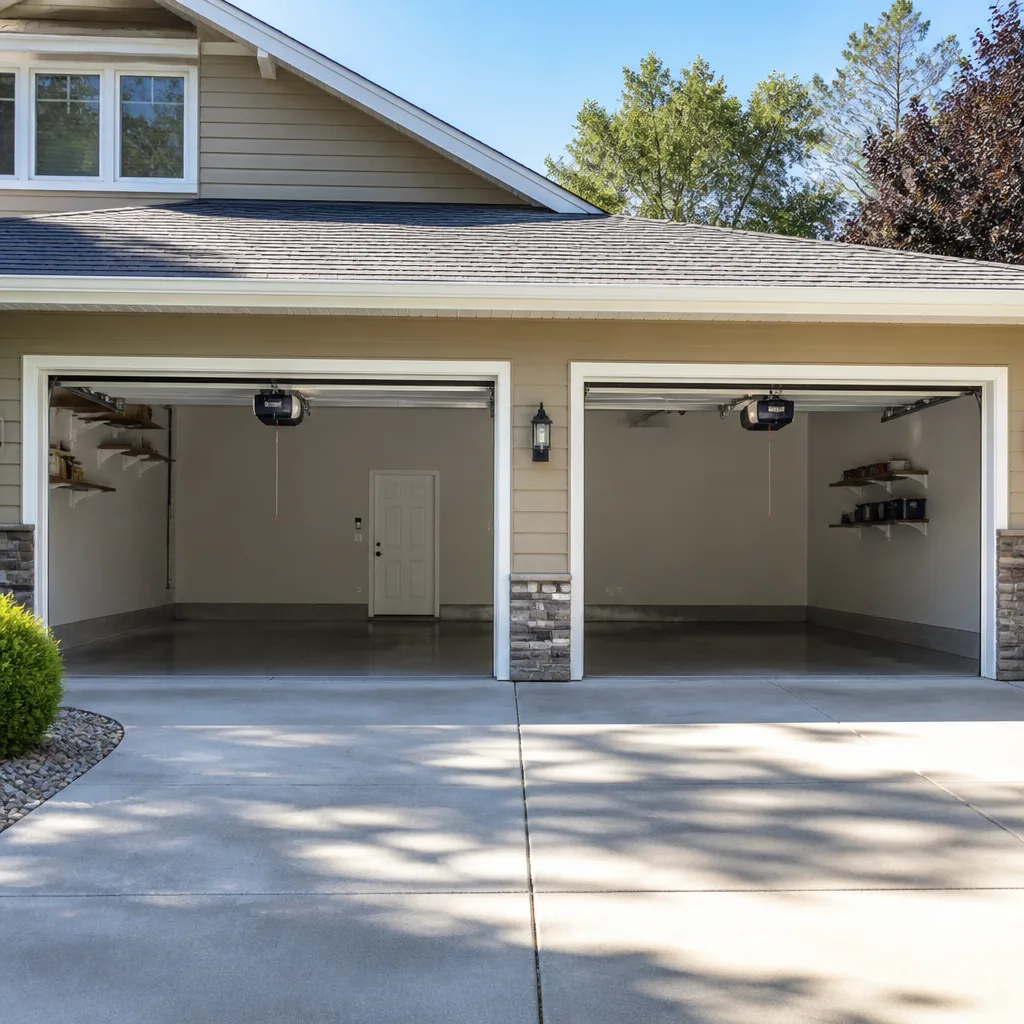
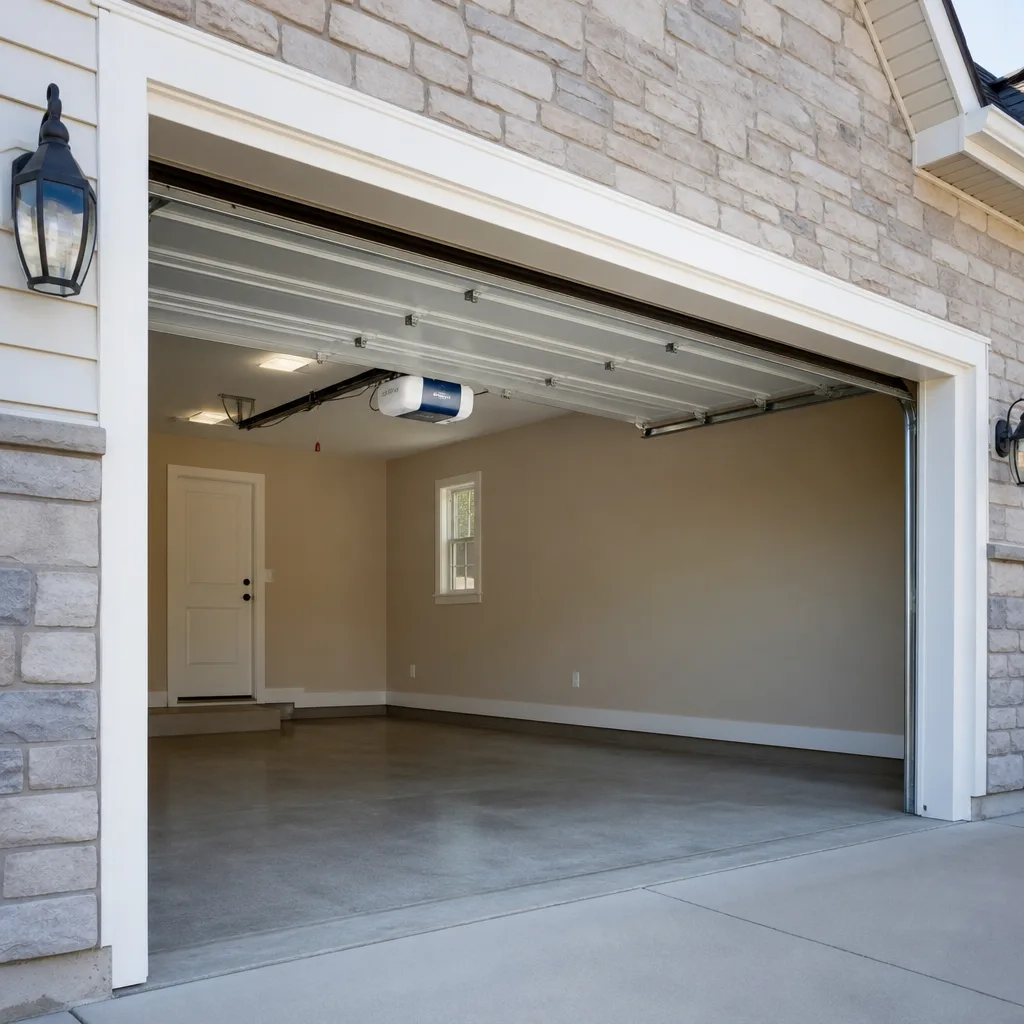
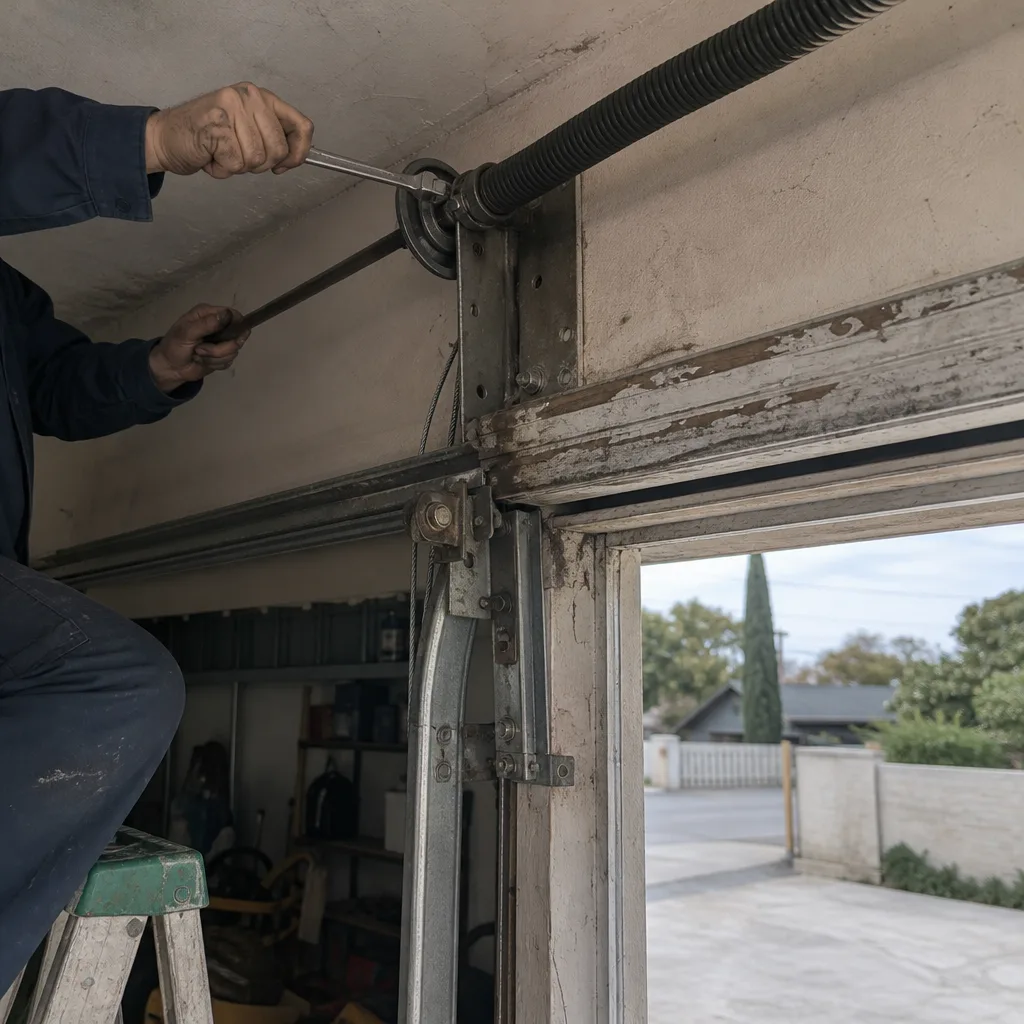 Before
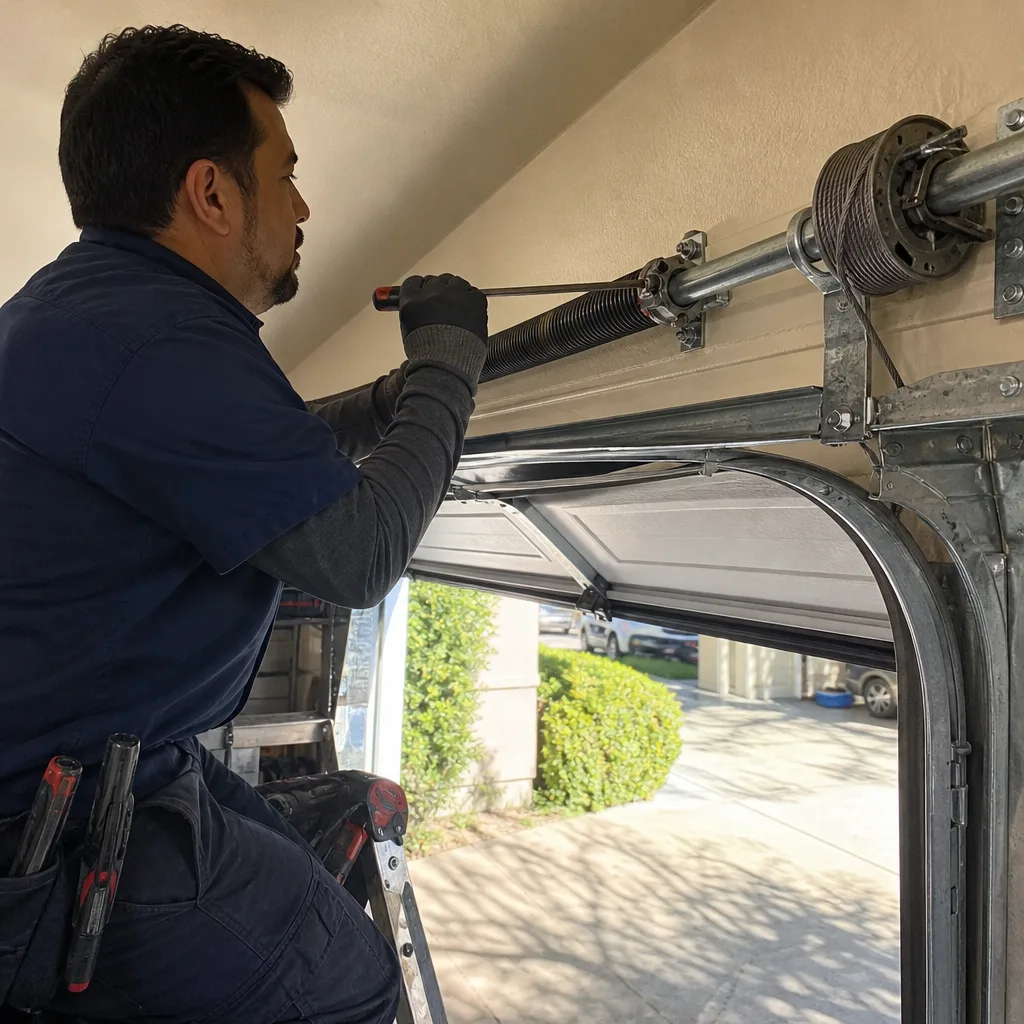 After
After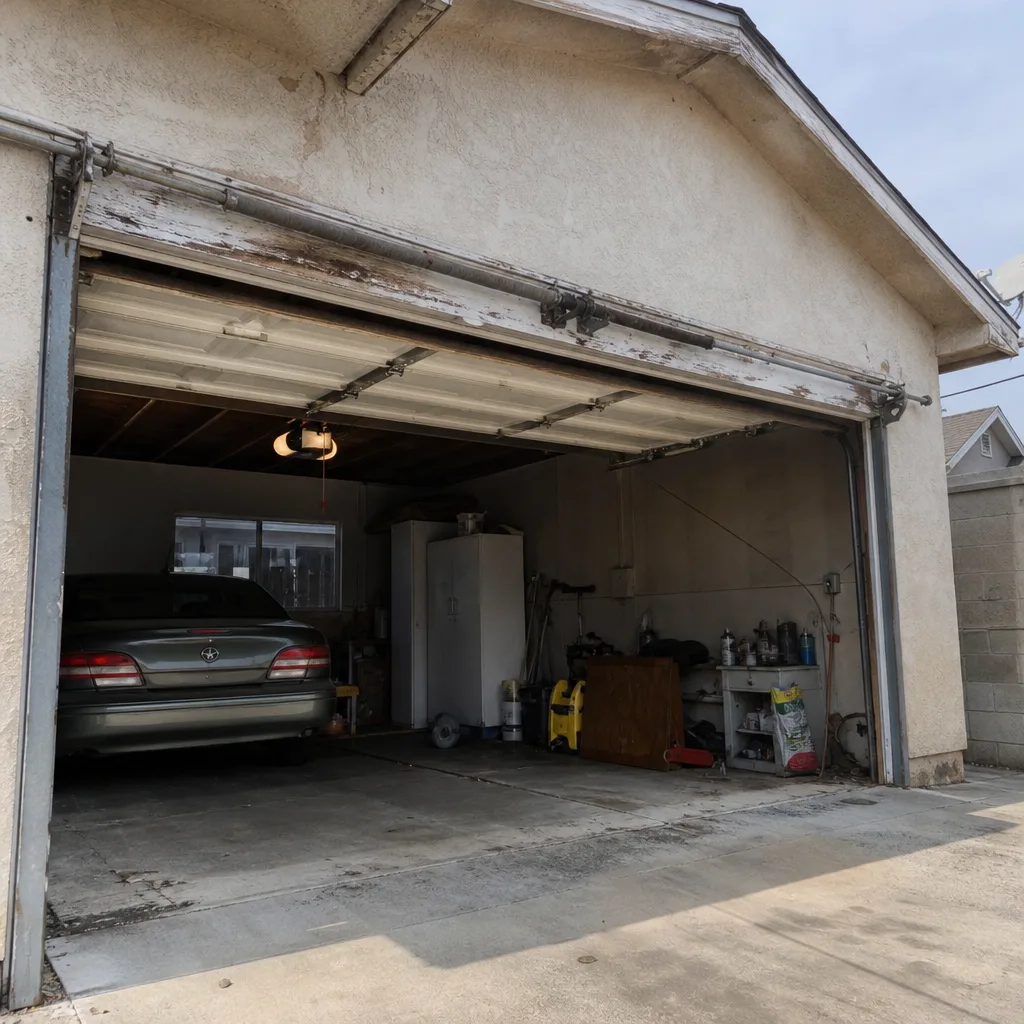 Before
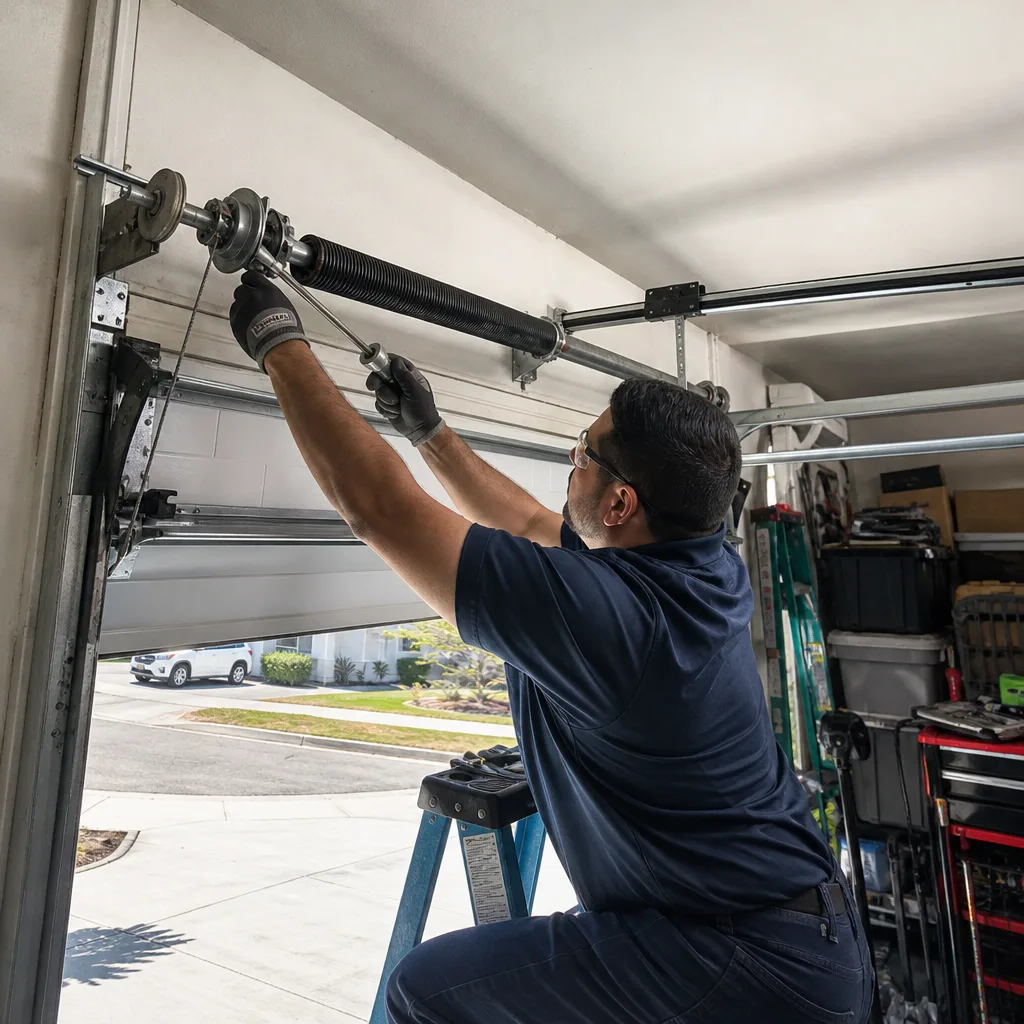 After
After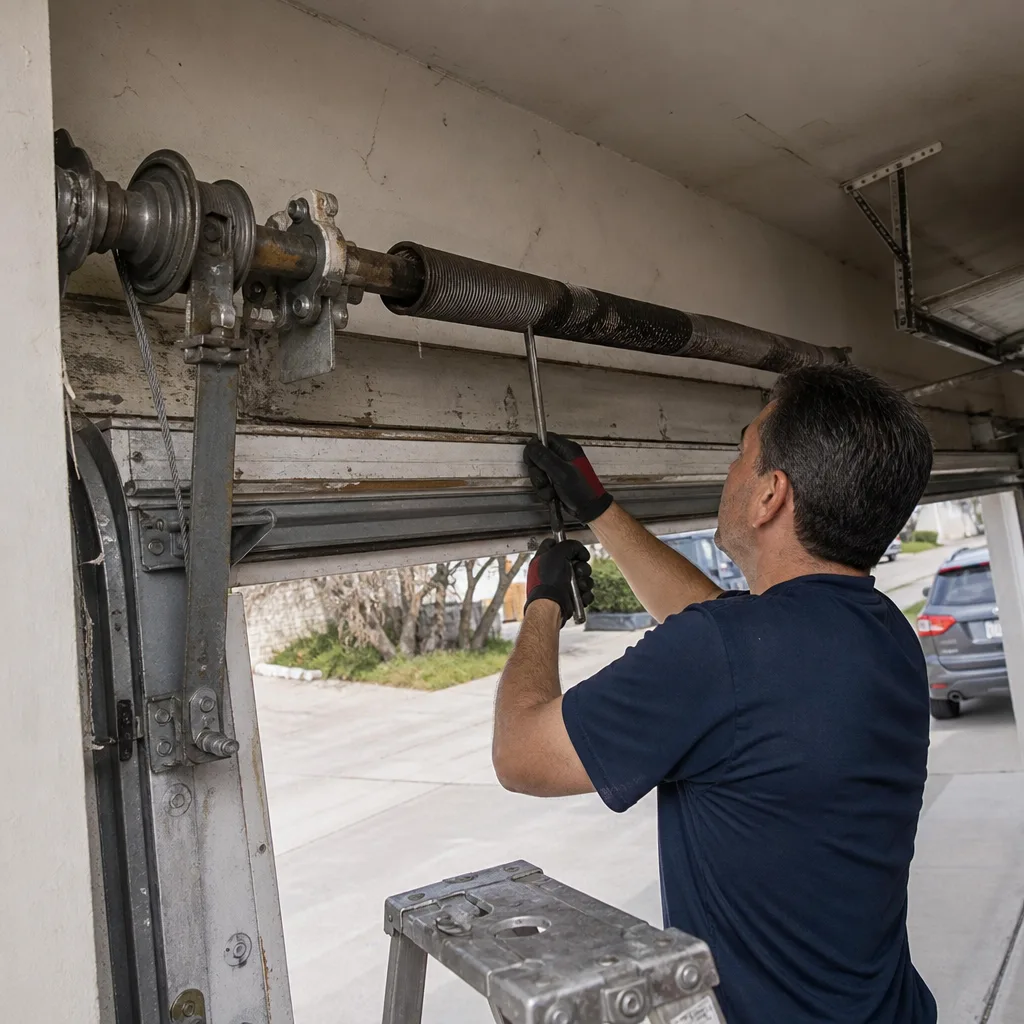 Before
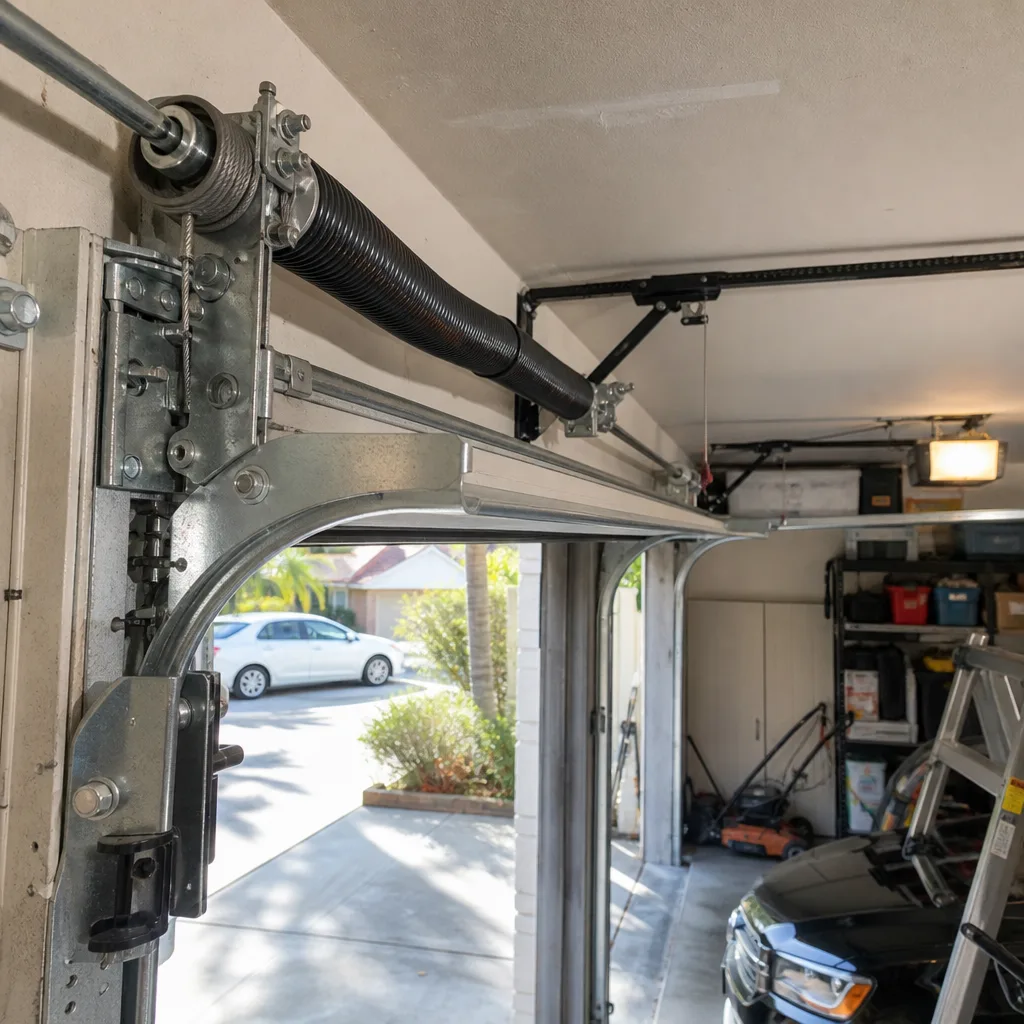 After
AfterLiftMaster Weather Seal Replacement: The Los Angeles Owner’s Guide
We stock and install LiftMaster-compatible weather seal replacements throughout Los Angeles, with most jobs running $130 to $260 installed depending on your door width and seal profile. Same-day service is available in most LA neighborhoods, and our trucks carry the common profiles so we usually finish in one visit. You’ll typically discover this part has failed the hard way: daylight sneaking under the door, water pooling near the threshold after winter rain, or leaves and dust collecting along the garage floor behind a door you thought was closed tight.
The weather seal, often called the bottom astragal or U-channel rubber, is the compressible strip riveted or slotted to the bottom rail of your garage door. In Los Angeles, where we get months of dry heat followed by sudden downpours, this rubber bakes and stiffens over time. Once it loses its flex, it stops hugging the concrete and starts letting the outside in. Aaron Teague has replaced hundreds of these across the city, from Silver Lake bungalows to San Fernando Valley ranch houses, and the fix is usually quick when you match the right profile to the right LiftMaster door.
Which LiftMaster Models This Applies To
LiftMaster doesn’t make doors themselves, but their residential and commercial door lines carry specific bottom retainer channels that accept one of three common seal profiles: T-style, bead-style, and P-style bulb. If you own a LiftMaster residential door from the 8000, 8100, or 8200 series, you’ll almost certainly need a T-style seal, either 3-3/4″ or 5-1/2″ wide. The LiftMaster 8500 and 8700 commercial doors typically use a bulb-style seal that slides into a round retainer.
Here’s the compatibility gotcha most LA homeowners hit: LiftMaster rebrands doors from several manufacturers, so the safest way to match your seal is not by the LiftMaster logo on the opener, but by the retainer channel at the bottom of the door itself. Measure the channel opening, pull a small section of the old seal if you can, and match the profile cross-section, not just the width. We carry OEM LiftMaster seals and quality aftermarket equivalents from ProSeal and Action Industries. For LiftMaster specifically, we recommend OEM when your retainer shows any corrosion or bending, because aftermarket profiles sometimes sit a millimeter loose in worn channels.
If you’re not sure which profile you have, snap a photo of the bottom rail with the old seal visible and text it to us. We’ll identify it before we dispatch, so the right seal arrives on the truck the first time. You’ll know who’s coming, what’s broken, and what it costs, before we pull into your driveway.
Signs Your LiftMaster Weather Seal Replacement Is Failing
- Daylight visible under the closed door. When the seal compresses unevenly or flattens permanently, gaps open where concrete has settled. This is the clearest sign the rubber is no longer doing its job, and in LA’s uneven slab foundations, it’s common on doors older than 10 years.
- Water stains or pooling near the threshold after rain. A stiff, cracked seal can’t follow the contour of a rough concrete floor, so runoff from a heavy January storm finds the low spots and pools inside. The rubber didn’t fail because it’s wet; it failed because UV and heat dried it out months earlier.
- Dust, leaves, or insects collecting just inside the door. When the seal lifts at the corners, the gap is big enough for windblown debris and bugs but small enough to miss at a glance. In neighborhoods like Granada Hills or Porter Ranch where Santa Ana winds push everything sideways, this shows up fast.
- Visible cracks, splits, or a flattened bottom edge. Run your hand along the seal’s underside. If it crumbles like dry sponge or has a hard, shiny surface instead of a matte flex, the rubber is cooked. LA’s summer heat plus direct afternoon sun on west-facing doors accelerates this faster than you’d expect.
- The door closes with a slight bounce or unlevel bang. A worn seal makes the door bottom sit unevenly, which changes how the closer and limit switch respond. If you hear a different sound when the door lands than you did a year ago, check the seal before you blame the opener.
Replacement Cost & What’s Included
| Seal Type | Typical Material Cost | Typical Installed Cost |
|---|---|---|
| T-style rubber (residential) | $25 – $60 | $130 – $210 |
| Bead-style bulb seal (commercial) | $40 – $100 | $170 – $260 |
| Heavy-duty P-style (high clearance doors) | $55 – $120 | $190 – $285 |
These ranges reflect what we see in Los Angeles for a single LiftMaster door. The spread depends on door width, seal profile, and whether the retainer channel needs straightening or rust treatment before the new seal seats properly. Every quote is written down and handed to you before we start. No verbal estimates, no invoice surprises at the end.
Every weather seal replacement is covered by the 365-Day Done Right Promise: 365 days from the date of repair, if that seal fails or comes loose, we come back and make it right at no charge. That’s a written guarantee, included on every job, automatically. If the repair fails, the second visit is free. Full stop.
DIY or Call Us?
You can absolutely diagnose a failed seal yourself: close the door, look for daylight, run your hand along the rubber, and check for cracks. That’s safe and useful. Swapping the seal is another matter. The bottom retainer on many LiftMaster doors is riveted or screwed through the bottom rail, and on heavier doors that means working with the door partially raised and supported. Spring tension is still in play, and a door that slips while you’re underneath it is genuinely dangerous. Torsion springs, even when you’re not touching them, are loaded with enough energy to cause serious injury if the door moves unexpectedly.
If you have a lightweight aluminum door and the old seal slides out of a clean T-channel, some LA homeowners do handle that themselves with a pair of snips and a rubber mallet. But on steel doors, warped retainers, or anything with a torsion spring system, we’d rather you call us. Aaron Teague grew up in the Crenshaw district and spent the better part of two decades fixing doors across Los Angeles, and the honest version is this: we show up with the right profile already matched, swap it in under an hour, and hand you a written price before the first bolt turns. Call (910) 858-8029 for a free estimate.
FAQs
A LiftMaster weather seal lasts 5 to 8 years in Los Angeles on average, though west-facing doors exposed to full afternoon sun in places like Woodland Hills or Sherman Oaks can degrade in as little as 3 to 4 years. The rubber loses its flexibility from UV and heat exposure long before it visibly cracks, so if your seal is over 5 years old and you’re seeing dust or moisture inside, replacing it is reasonable. Call (910) 858-8029 and we’ll give you an honest read on whether yours has life left.
Patching a torn weather seal with adhesive or caulk never holds, because the rubber flexes with every open and close cycle and the patch separates within weeks. The right fix is a full seal replacement matched to your existing retainer channel. We quote the full replacement price before starting, so there’s no upcharge for doing it correctly the first time.
A LiftMaster weather seal replacement usually takes 45 to 90 minutes on site, including removing the old seal, cleaning the retainer, and seating the new profile. If the retainer channel needs straightening on an older Los Angeles door, add another 30 minutes. We keep the common T-style and bulb profiles on the truck, so most jobs are done in one visit, same day.
Yes. We stock LiftMaster-compatible T-style, bead-style, and P-style seals in the most common residential and commercial widths, plus Chamberlain and Genie profiles for homes with mixed-brand setups. If you have an unusual commercial profile, we’ll identify it from a photo and bring the right part on the next available dispatch. Call (910) 858-8029 and we’ll confirm what’s on the truck right now.
Written by Aaron Teague, Owner & Lead Technician, Doyle Garage Door Repair at Doyle Garage Door Repair, serving Los Angeles and nearby areas.