
Full 25-point door and opener safety check with every visit - springs, cables, rollers, tracks, and your LiftMaster or Chamberlain opener included
You get a price before we start. It does not change when the truck arrives.
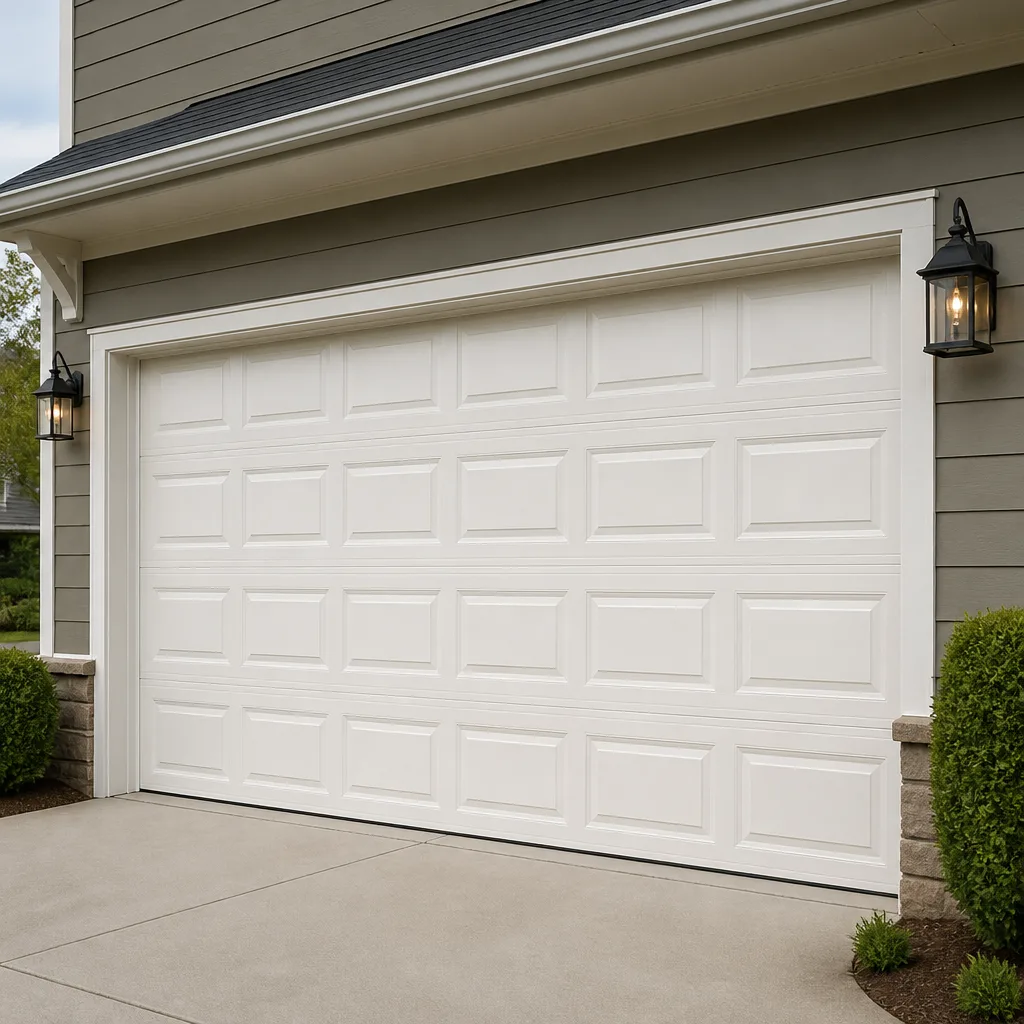
 Before
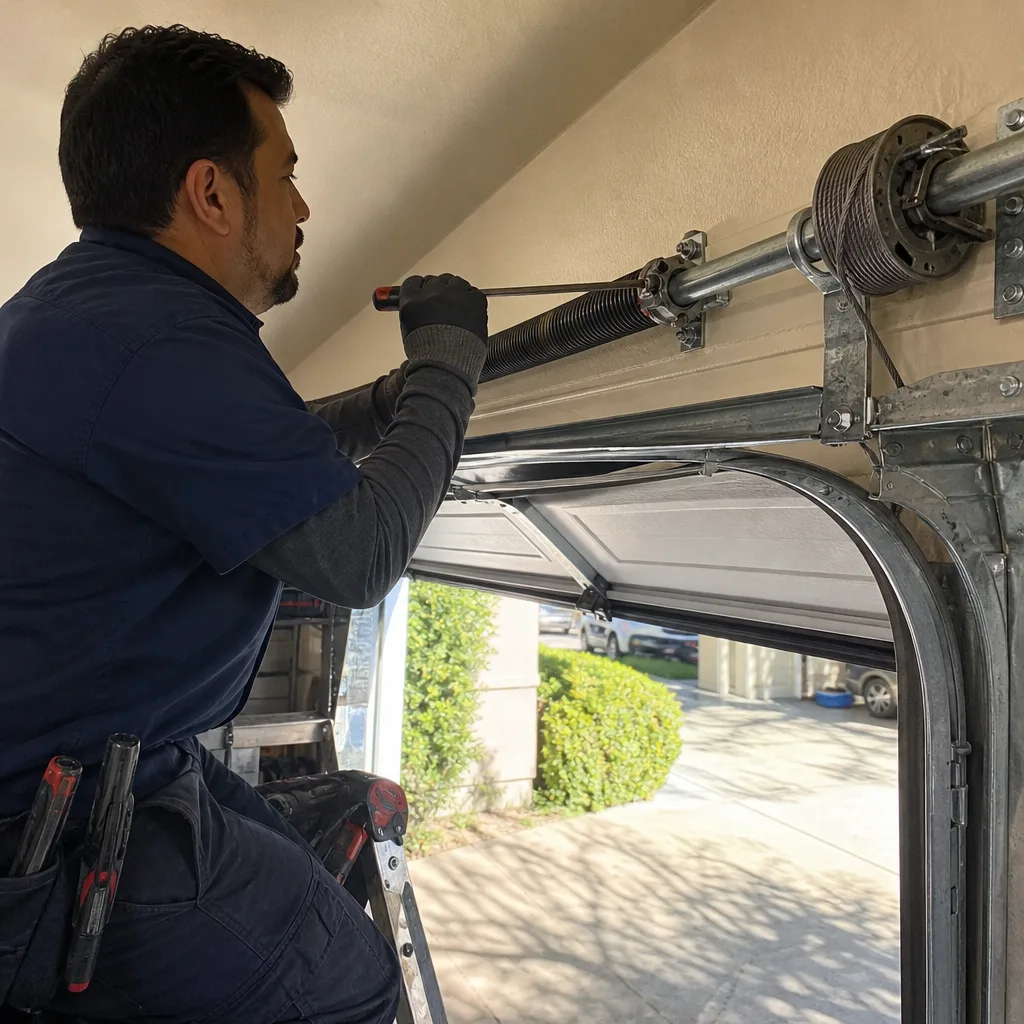 After
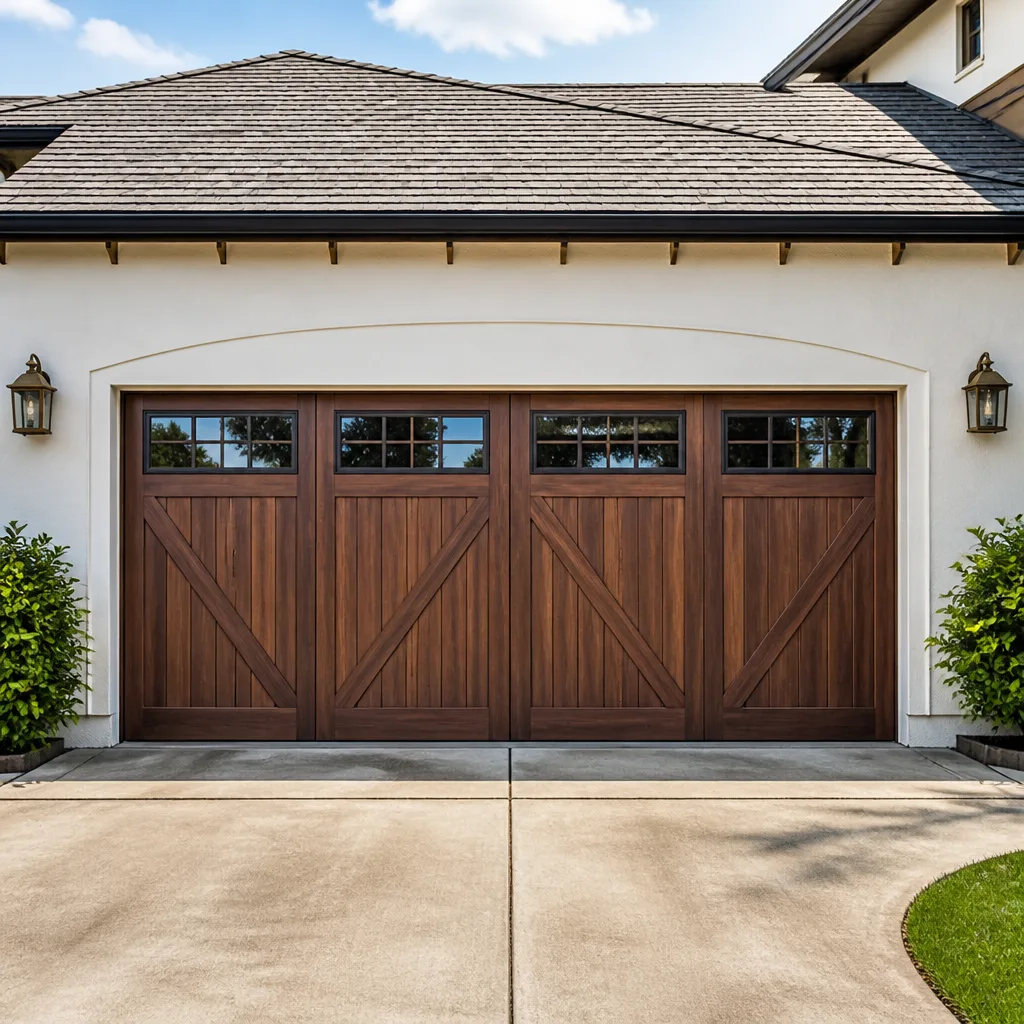
After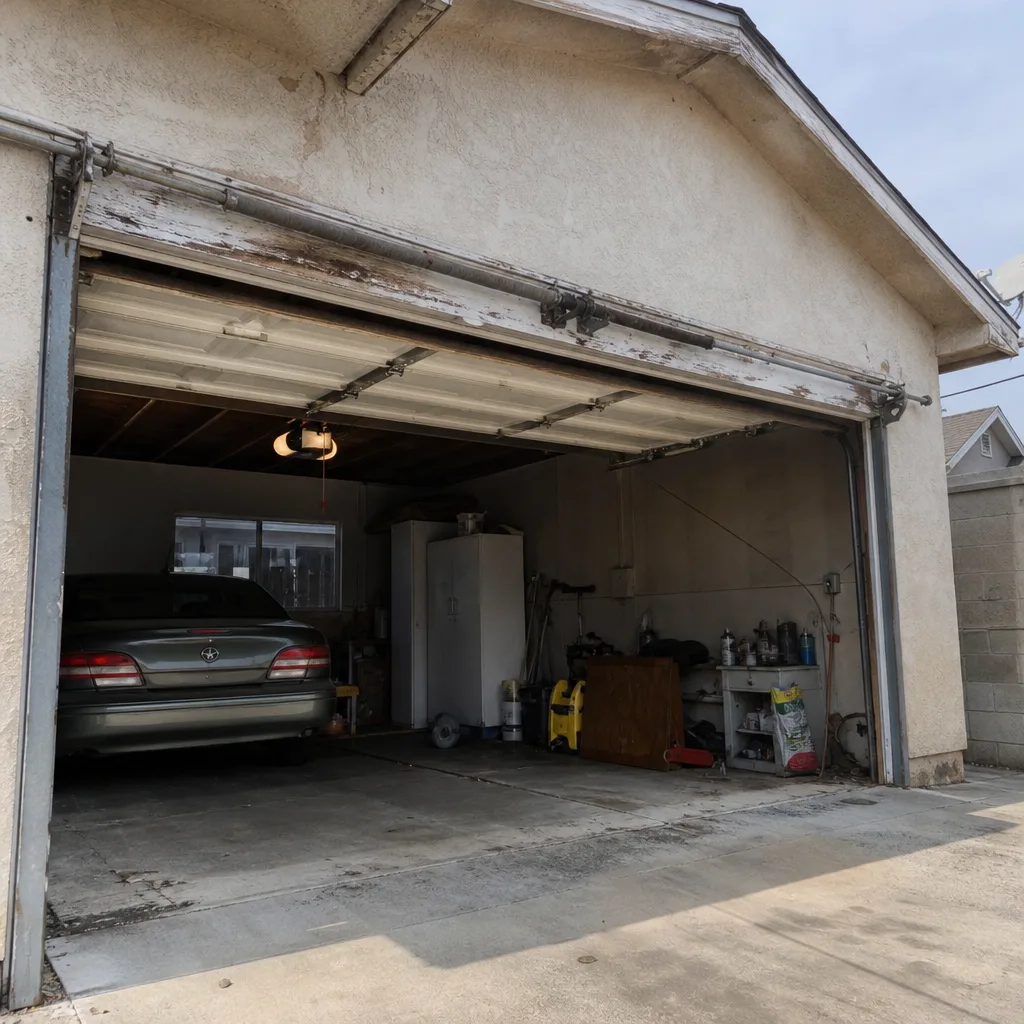 Before
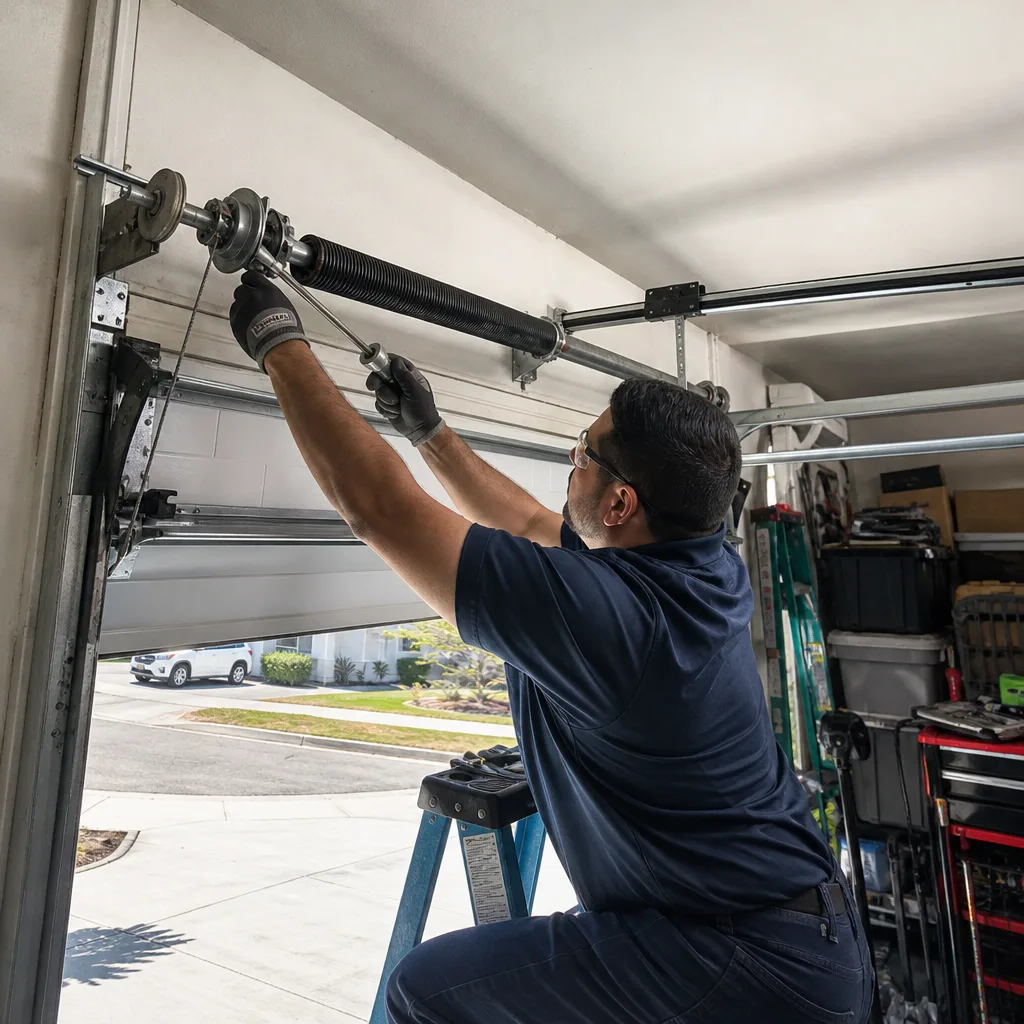 After
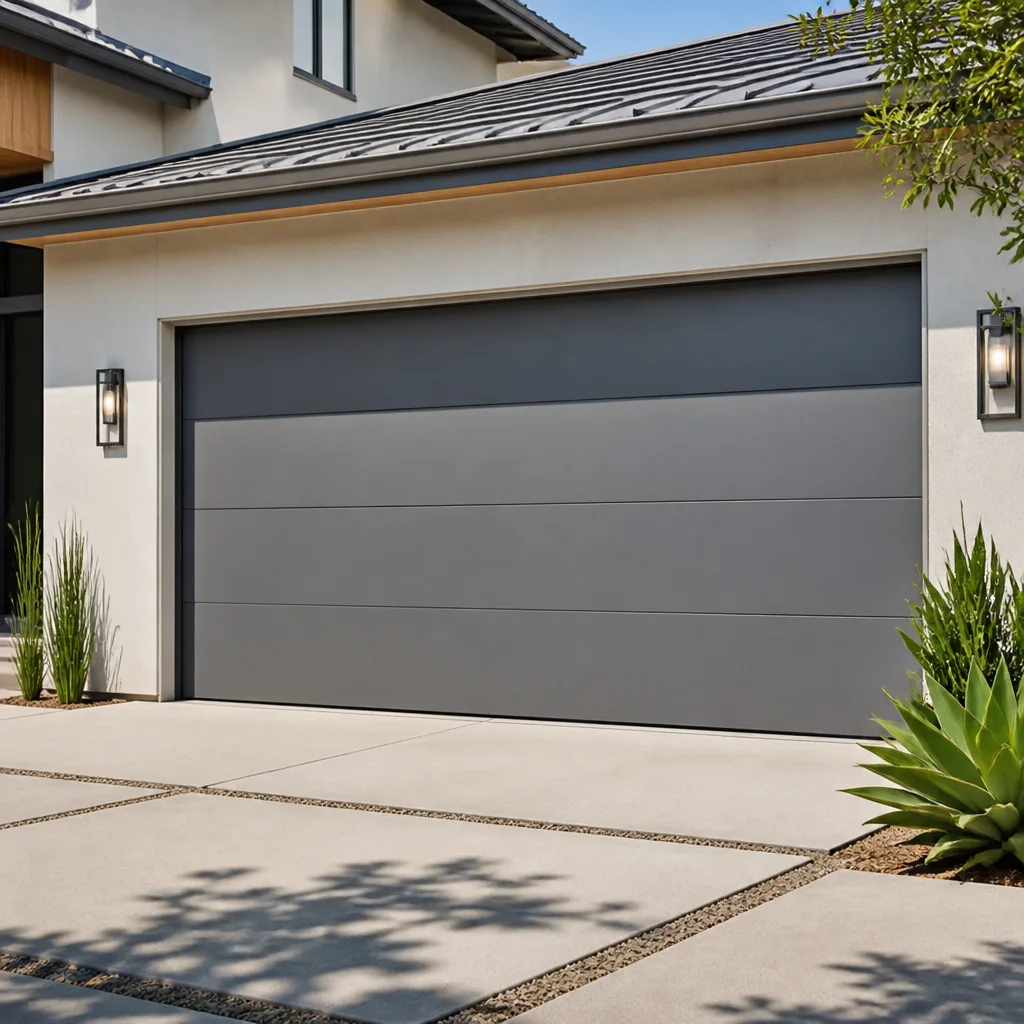
After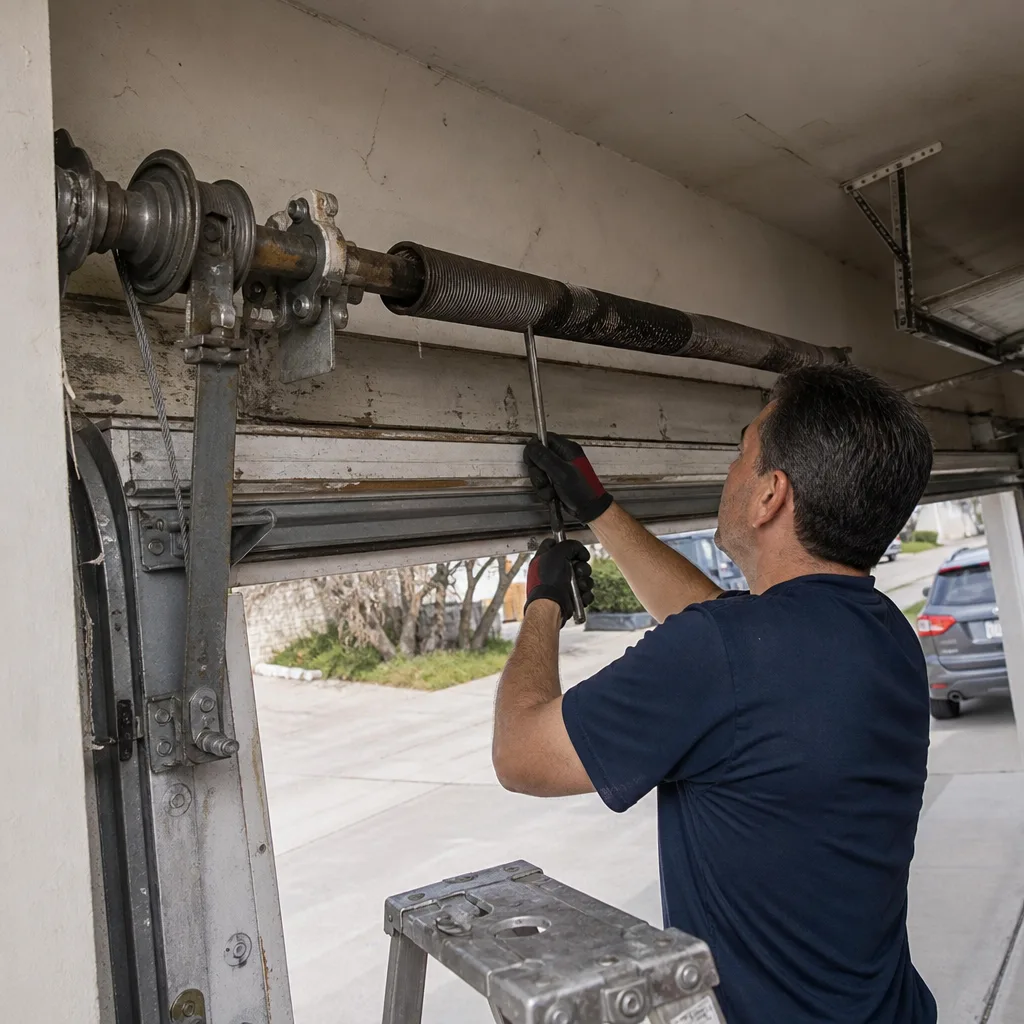 Before
 After
AfterYour Garage Door Won’t Stay Closed – Here’s What’s Going On
A garage door that won’t stay closed almost always comes down to one of three things: a misaligned or dirty safety sensor, a limit switch that needs adjustment, or a mechanical problem like a worn cable or damaged track. Any of these can cause the door to reverse before it fully closes, stop partway down, or drift back open on its own. The fix is usually straightforward once a technician identifies which part of the system is at fault.
When your garage door won’t stay closed, the door is telling you something – and it’s worth listening. Most of the time the cause is visible or audible if you know what to look for. A door that reverses immediately at the bottom has a different problem than one that stops halfway down, and that’s different again from one that closes fine and then slowly drifts back open an hour later. The sections below walk through the most common causes so you can describe exactly what’s happening when you call.
Why It Happens
Misaligned or Dirty Safety Sensors
Every residential garage door opener made after 1993 is required to have photo-eye sensors near the floor on each side of the door opening. If those sensors fall out of alignment, get coated in dust or spider webs, or get bumped by a trash can, the opener interprets it as an obstruction and reverses the door before it closes. The telltale sign: the door starts to close, then immediately goes back up, often with the opener light blinking in a pattern. You may also see a small LED on one or both sensor housings that’s dim, flickering, or off entirely instead of solid.
Limit Switch Set Too High
The limit switch tells the opener how far the door needs to travel to reach the fully closed position. If that setting drifts or was never calibrated correctly, the opener thinks the door hit the floor before it actually did, triggers the reverse function, and sends the door back up. This one looks a lot like a sensor problem from the outside – the door goes down and comes back up – but the sensor lights will be steady and solid. On older openers you’ll see small adjustment screws on the motor unit; on newer ones the calibration is done digitally.
Worn or Damaged Cables and Rollers
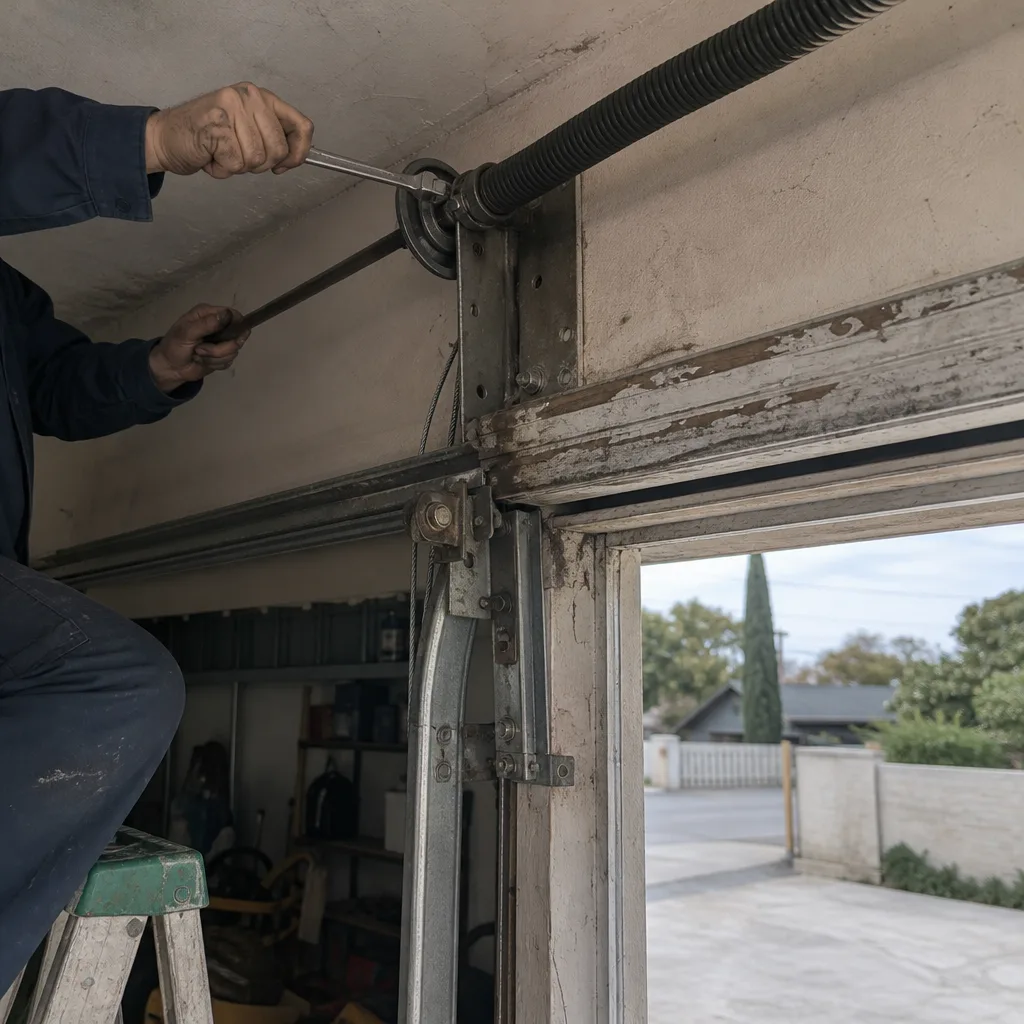
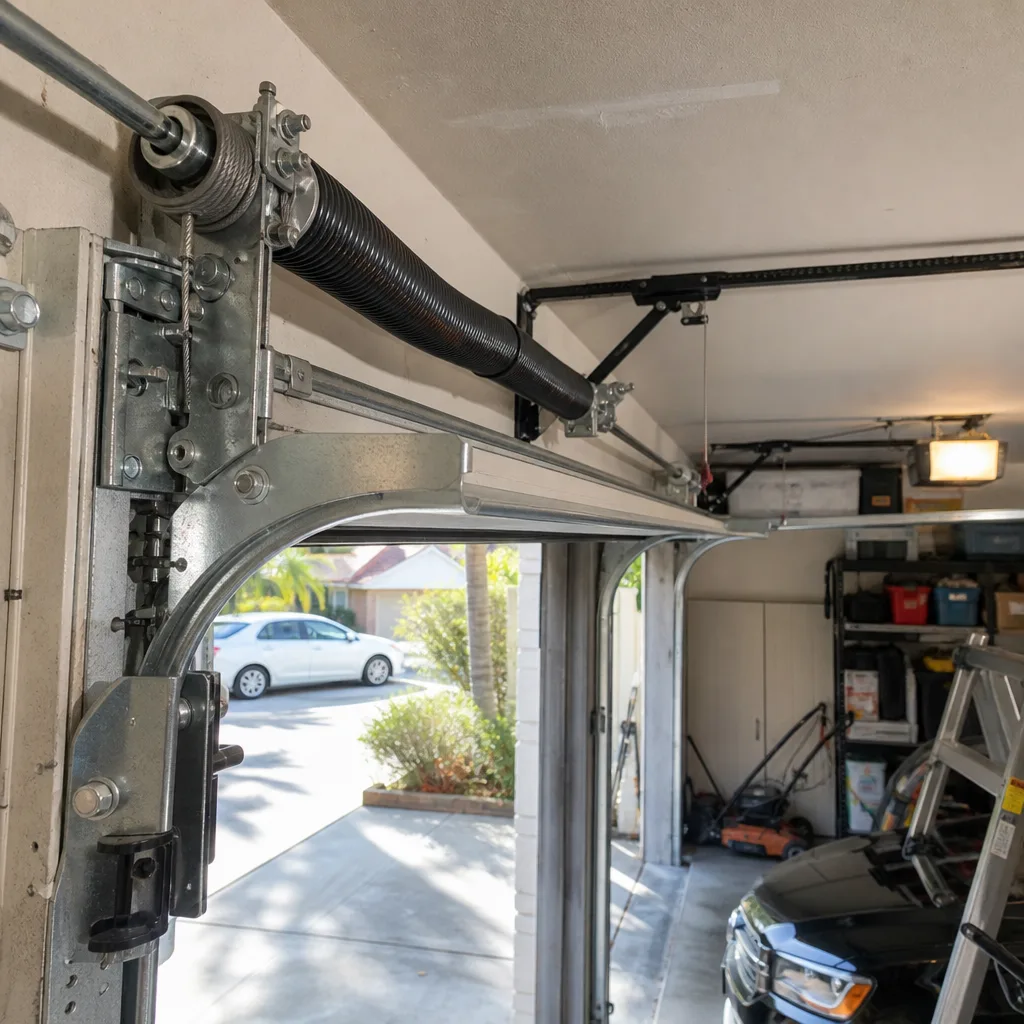
Lift cables run from the bottom corners of the door up to the spring drum. When a cable frays, slips, or snaps, one side of the door loses support and the door can hang crooked, bind in the track, or fail to reach the closed position. You might hear grinding or scraping, or notice the door looks slightly tilted when it’s partway down. Worn rollers produce a similar binding effect – the door hesitates, stutters, or stops well short of the floor. If you can see a frayed or broken cable, do not try to fix it yourself. Garage door cables are under significant tension from the springs and can snap back with serious force. Stop using the door and call.
Bent, Obstructed, or Out-of-Plumb Track
The vertical tracks guide the door as it travels. A dent from a bumper, a section that’s pulled away from the wall, or debris jammed between the rollers and the track can all cause the door to stop short, bind, or refuse to latch properly at the bottom. Run your eye along both tracks from top to bottom. If you see a gap between a roller and the track, a visible bend, or a section of track that looks twisted or pulled inward, that’s your culprit. A slightly out-of-plumb track that’s been that way for years can also gradually knock the door far enough out of square that it won’t seal properly at the floor.
What to Do Right Now
- Stop running the door repeatedly. If the door is refusing to close, cycling it over and over puts stress on the opener motor, the spring, and the cables. One or two diagnostic tests is fine; more than that can turn a small problem into a bigger one.
- Check the sensor lights. Look at the two small sensor units mounted near the floor on each side of the door opening. Each one should have a solid LED – usually one green and one amber. If either is off or blinking, look for a cord that’s been knocked loose, a sensor housing that’s been bumped sideways, or dirt on the lens. Wiping the lens with a dry cloth and gently re-pointing a knocked sensor is safe to try.
- Look for a visible obstruction in the tracks. A pebble, a piece of debris, or a crushed section of track can all stop the door. Clear anything you can reach safely while standing on the floor. Do not climb a ladder to work on the track while the door is in a raised position.
- Look at the cables before you do anything else. If you can see a cable that’s frayed, hanging loose, or wrapped unevenly on the drum, stop there. Do not attempt to re-thread or re-tension a cable. This is a job for a trained technician – the spring tension involved can cause serious injury.
- Photograph what you see. A quick photo of blinking sensor lights, a bent track section, or a misaligned cable gives your technician a head start and helps confirm the diagnosis over the phone when you call.
How We Fix It
When your local Doyle Garage Door Repair technician arrives, the first thing they do is watch the door go through a full cycle – or as much of one as is safe – while checking sensor alignment, limit settings, cable tension, and track condition. That inspection tells them whether this is a sensor recalibration that takes twenty minutes or a cable replacement that takes longer. Either way, nothing gets touched until you’ve seen the written price and agreed to it. That’s not a courtesy we offer on some jobs; it’s how we work on every single one.
Most no-close problems fall under garage door repair – sensors, limit switches, cables, rollers, and tracks are all repair-category work. If the opener itself is the issue (the logic board has failed, or the motor has given out), that routes to garage door opener repair, which your tech can diagnose on the same visit. The repair is covered by our 365-Day Done Right Promise. If it’s not done right, we come back and make it right – that’s in writing, and there’s no charge for the return visit.
Frequently Asked Questions
It depends on why it won’t close. A sensor misalignment is a nuisance, not a danger, and a day or two won’t make it worse. A broken cable or damaged track is a different story – a door under uneven spring tension can drop without warning, and that’s a real hazard to anyone near it. If you suspect a cable or track problem based on what you see, don’t leave the door in a raised position and don’t try to use it. Call (910) 858-8029 and describe what you’re seeing; we can help you figure out how urgent it is before anyone comes out.
Call us at (910) 858-8029 and a real person will pick up – not a voicemail, not a callback form, not a bot. We answer 24 hours a day, 365 days a year. Your local Doyle team will tell you what’s available in your area and get you on the schedule as quickly as possible.
No. The written price your technician hands you after the inspection is the price you pay – that’s the entire point of putting it in writing before any work starts. If the technician opens something up and finds a secondary problem you’d like addressed, they’ll write that up separately as a new line item and ask before touching it. No verbal estimates, no invoice surprises.
That’s a classic sensor symptom. The wall button has a “hold to close” function built in precisely for situations where the sensors are blocked or misaligned – it overrides the safety reverse so the door can complete its travel. It confirms the sensors are the first place to look, though a limit switch issue can sometimes produce a similar behavior. Either way, it’s worth checking the sensor LEDs and calling your local Doyle team to sort it out properly at (910) 858-8029.
Get It Fixed
Call (910) 858-8029 – a real person answers every time, day or night. Your local Doyle Garage Door Repair team will diagnose the problem, give you a written price before any work starts, and back the repair with our 365-Day Done Right Promise. Book online or call now.
Written by Aaron Teague, Owner & Lead Technician at Doyle Garage Door Repair, serving communities nationwide as part of the Threshold Group family since 2001.
What Our Customers Say
"Came out the same week for a bent bottom panel. Replaced just the one section and matched it close to the rest. Saved me from buying a whole door."
- Shawn M."Wall button quit working and the remote was flaky too. He reprogrammed the opener and replaced the button. Short visit, no upsell."
- Nate C."New door installed after a delivery truck clipped our old one. Three panels, new hardware, and the install crew was neat and on time. Looks like it came with the house."
- Tyler B.