
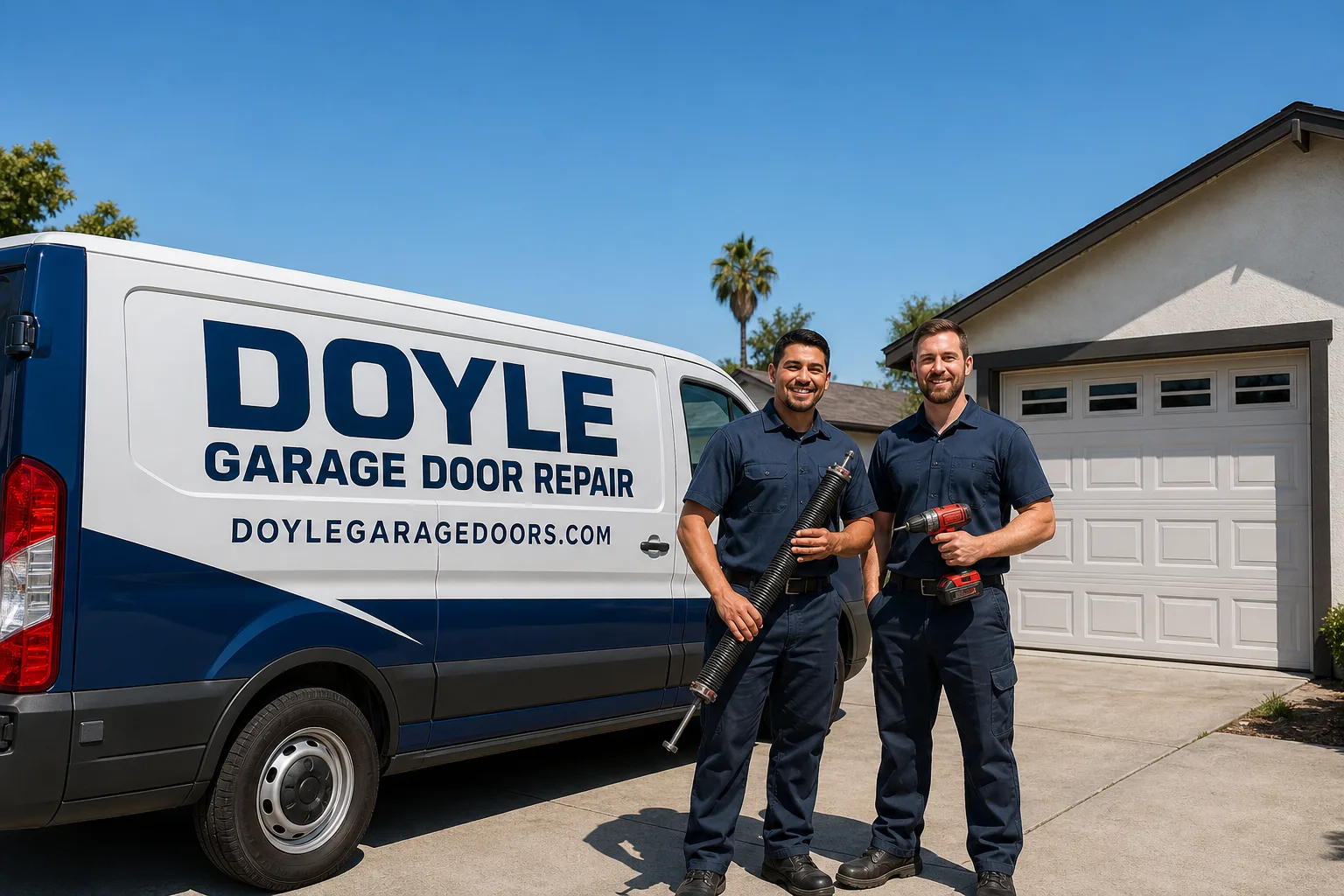
Full 25-point door and opener safety check with every visit - springs, cables, rollers, tracks, and your LiftMaster or Chamberlain opener included
You get a price before we start. It does not change when the truck arrives.
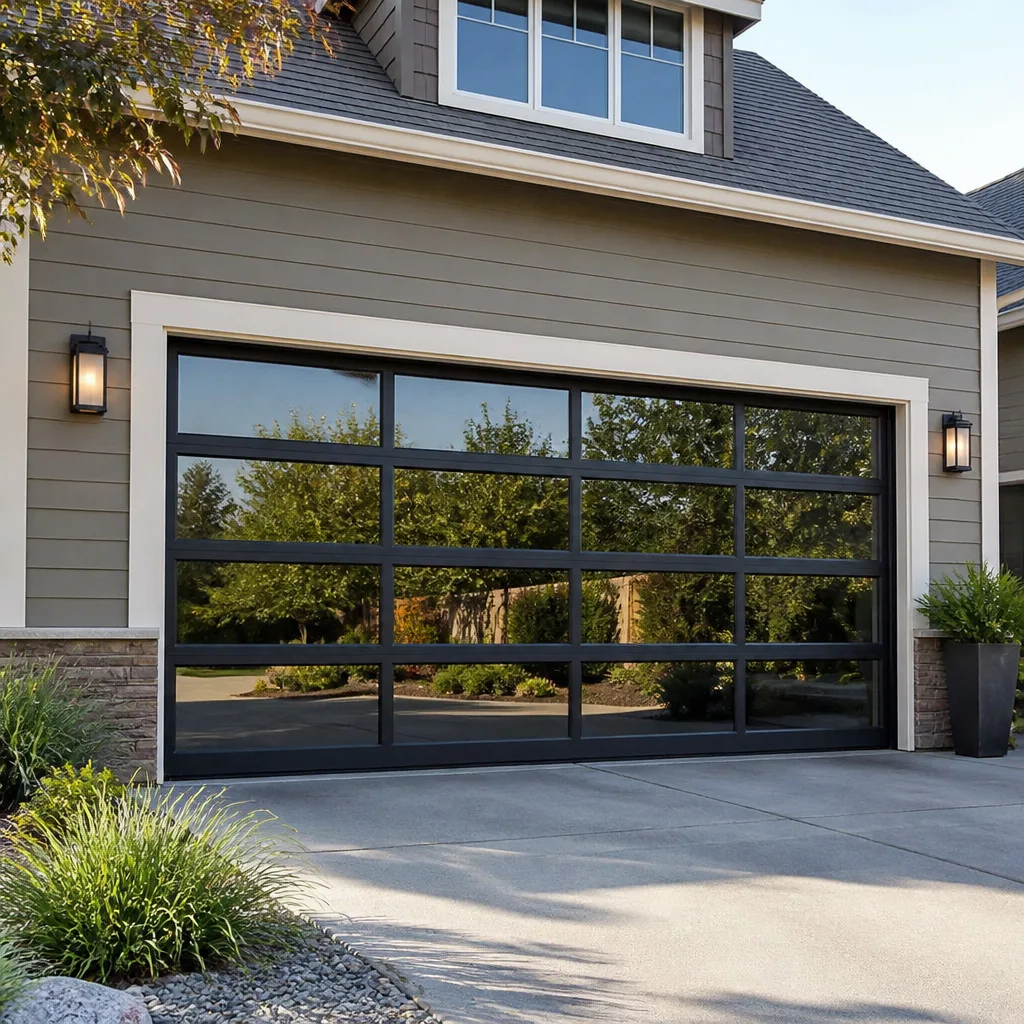
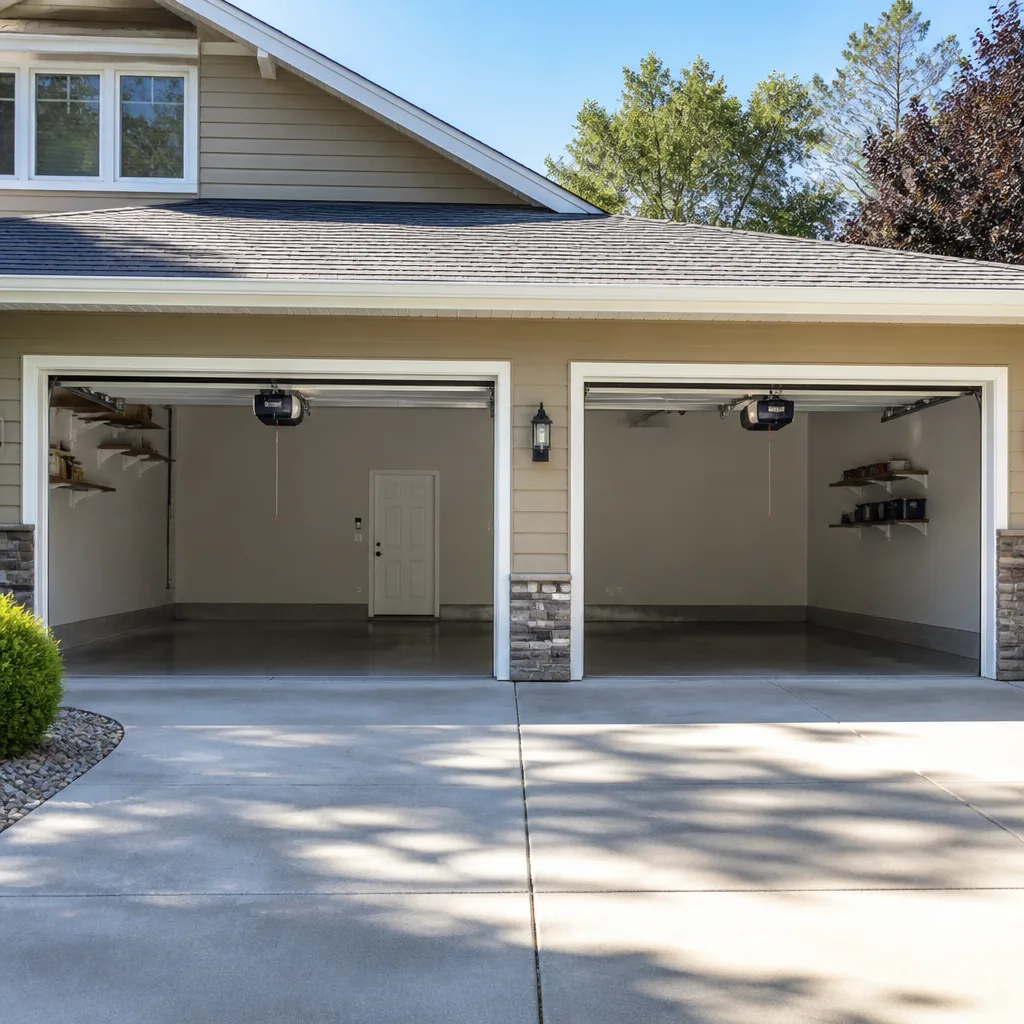
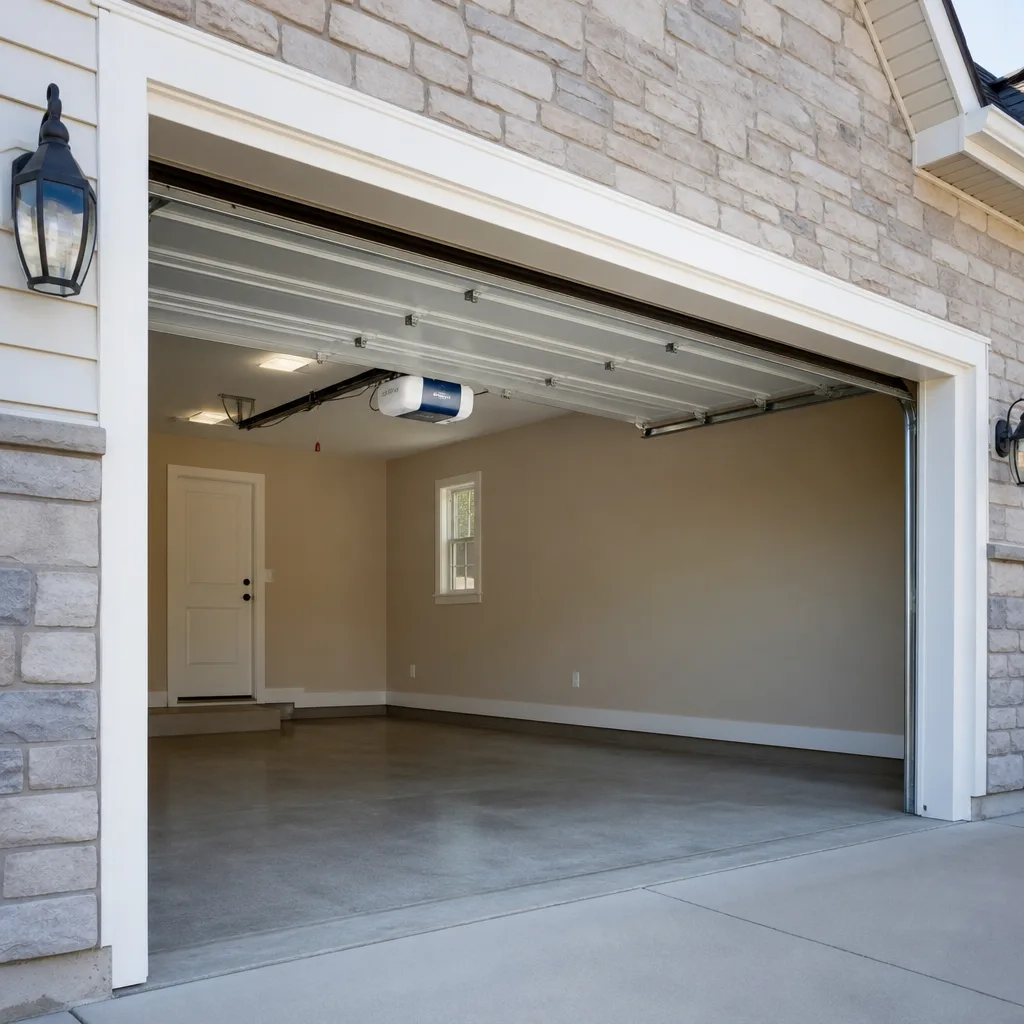
 Before
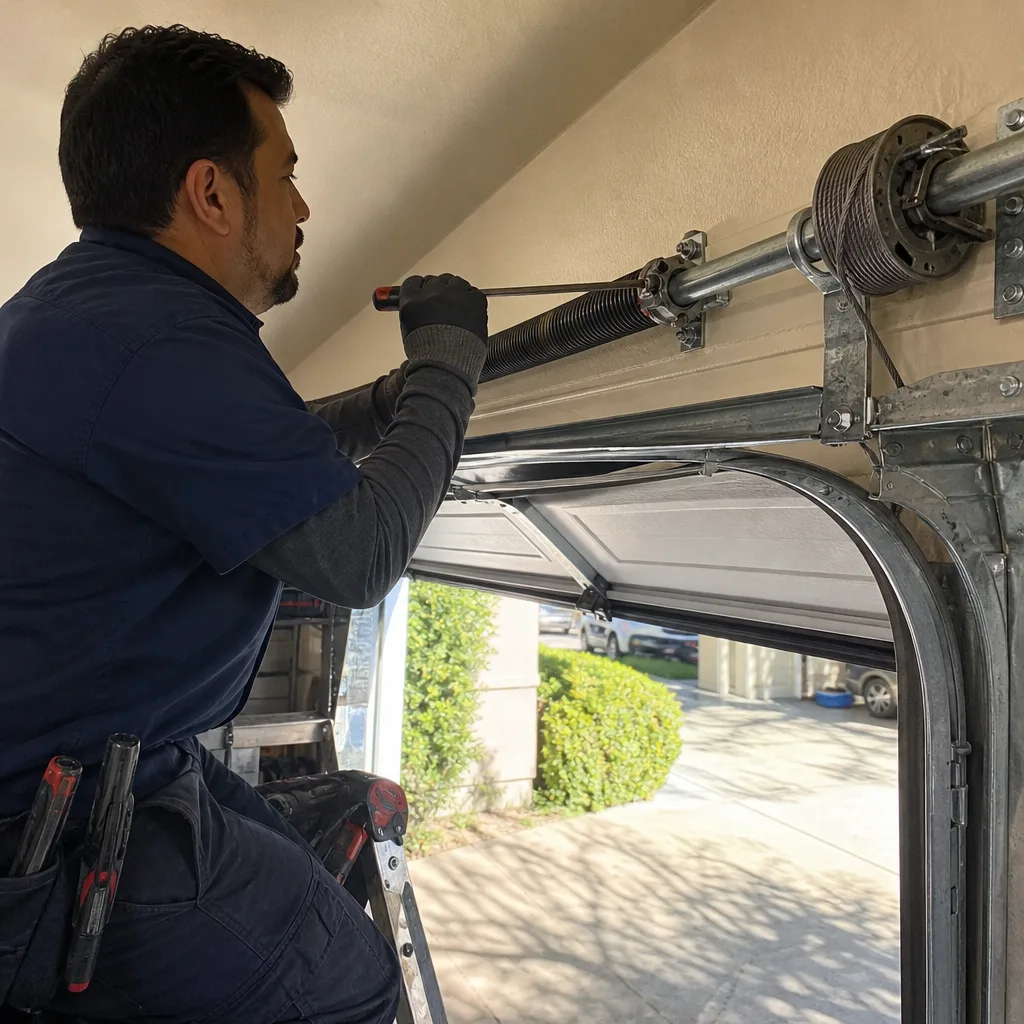 After
After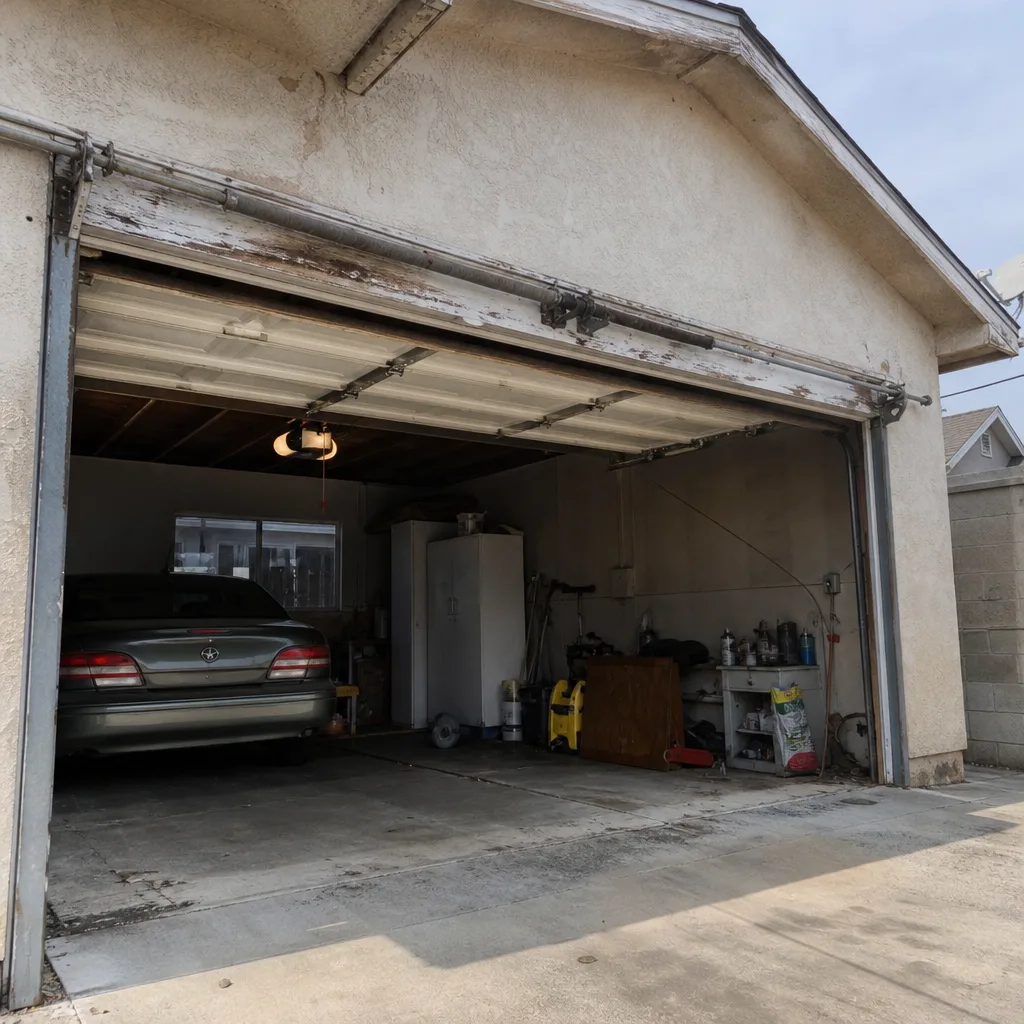 Before
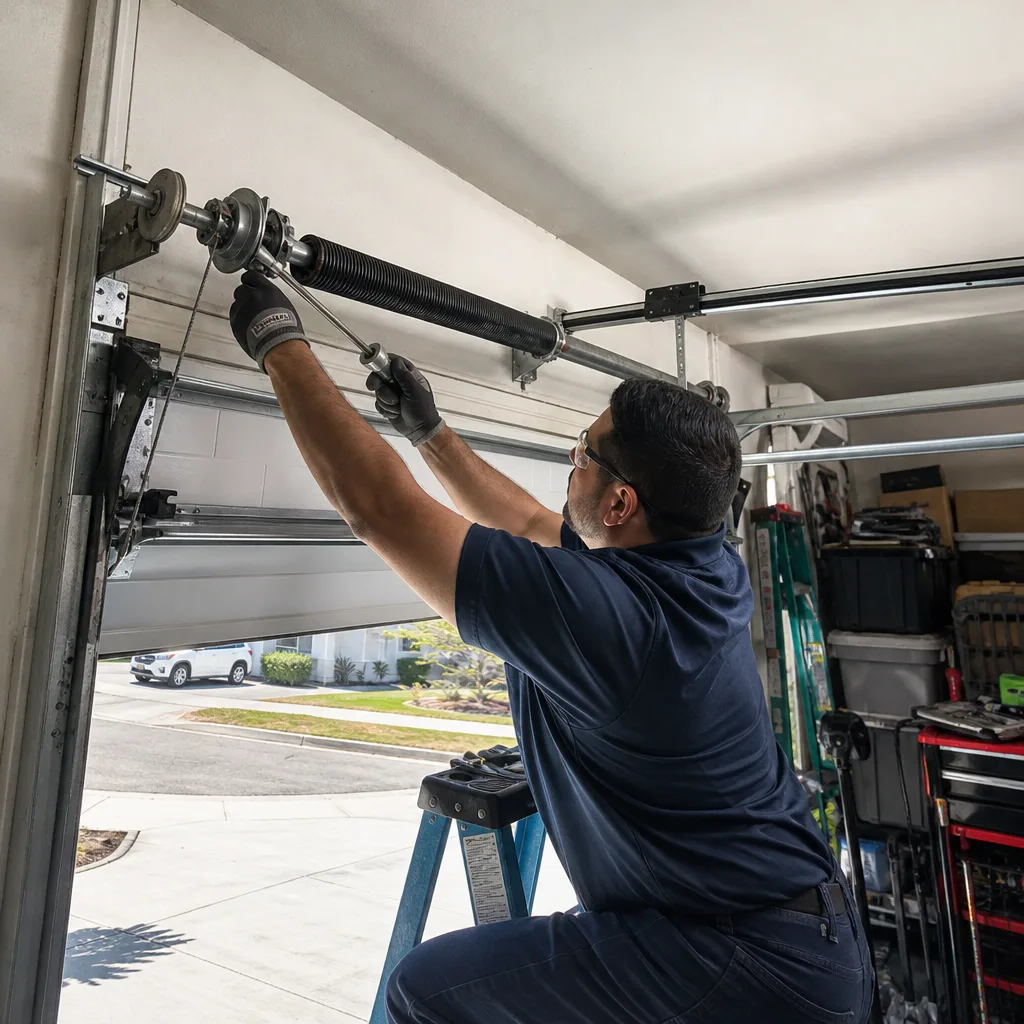 After
After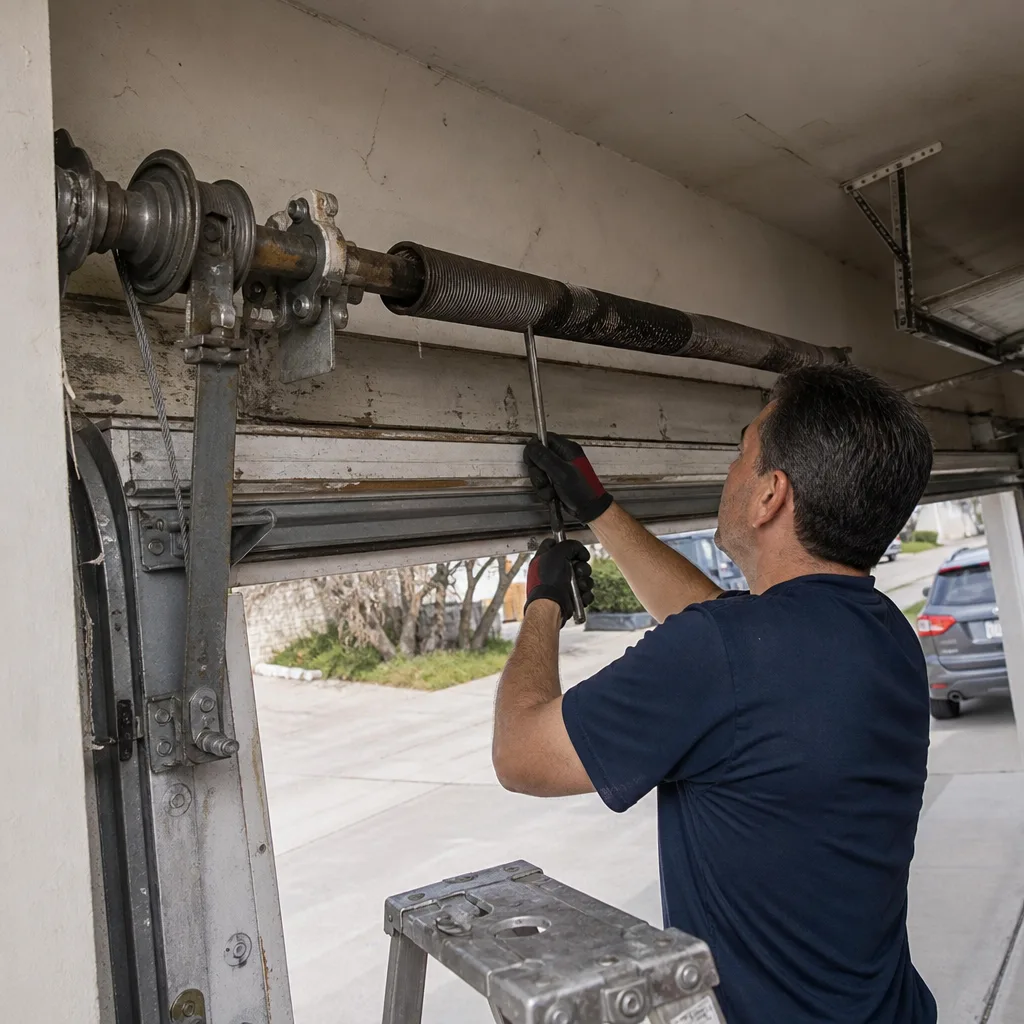 Before
 After
AfterBroken Garage Door Spring
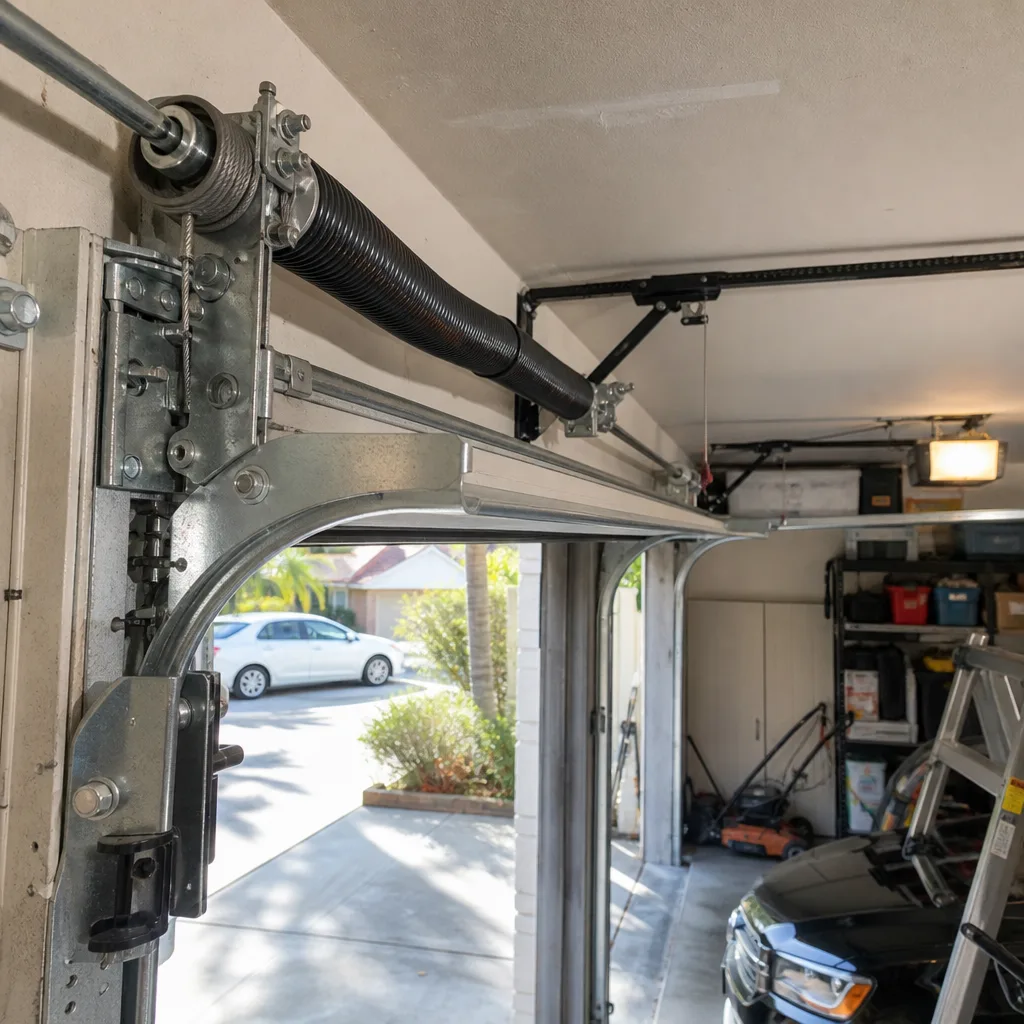
A broken garage door spring means your door has lost the counterbalance that makes it possible to lift. The door is not going anywhere on its own, and that’s the short version of what’s happening right now.
What’s Happening
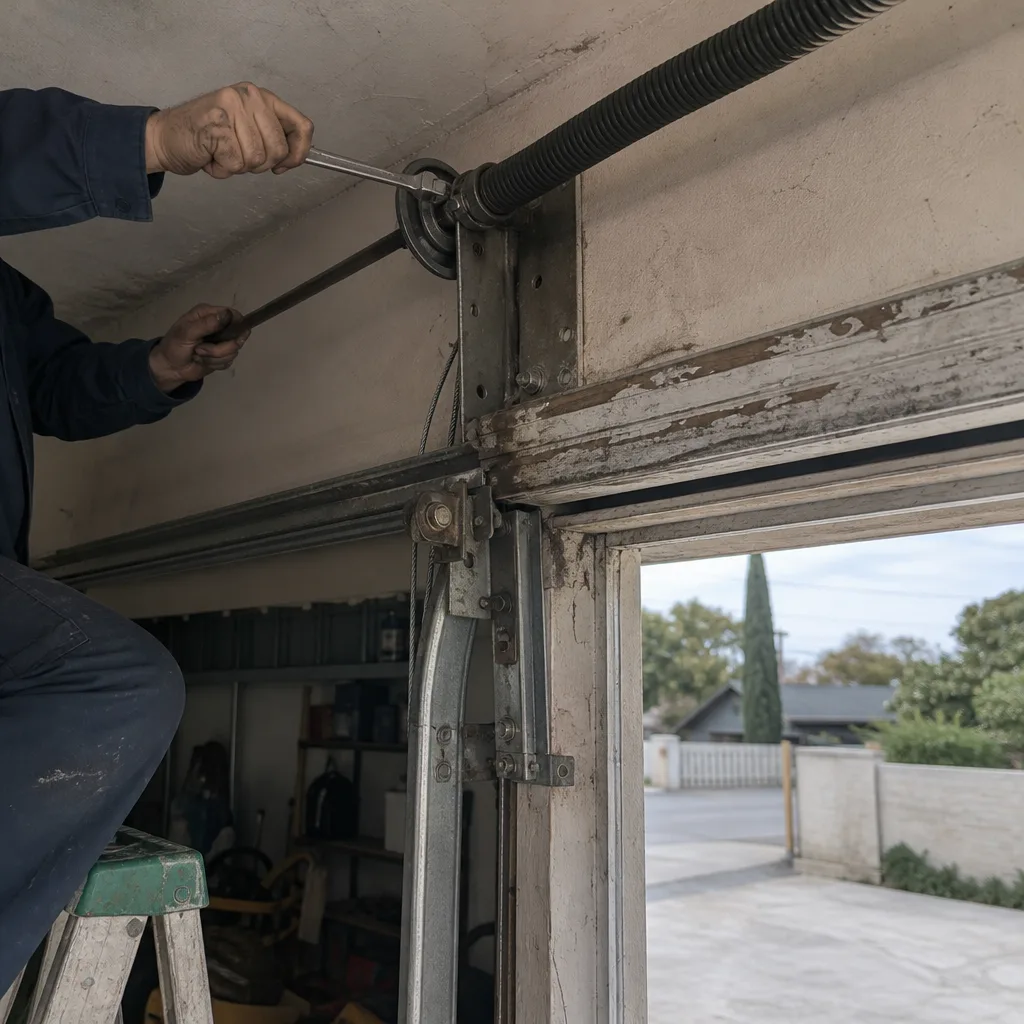
A broken garage door spring almost always means the torsion or extension spring that counterbalances the door’s weight has snapped or lost tension. When that happens, the opener motor – even a strong one – can’t move the door safely, and trying to force it risks damaging the opener, the door panels, or the cables. The door is effectively stuck until the spring is replaced.
Your garage door weighs anywhere from 100 to over 300 pounds depending on the material and size. Springs are what make it feel light. They store mechanical energy when the door closes and release it when the door opens, so the opener only has to guide the movement rather than heave the full weight. When a spring fails, that stored energy is gone. The opener struggles, stalls, or the door won’t budge at all. This isn’t something you push through – it’s a sign that a specific part has reached the end of its life and needs to be swapped out by someone with the right tools and training.
Why It Happens
The Spring Reached the End of Its Cycle Life
Garage door springs are rated for a finite number of open-and-close cycles, typically somewhere between 10,000 and 20,000 depending on the spring grade. A household that uses the door four or five times a day burns through cycles faster than you might expect. When a spring finally snaps from normal wear, you’ll often hear a loud bang from the garage – sometimes described as a gunshot – and then find the door won’t open. If you look at the torsion spring (the horizontal bar above the door), a visible gap in the coil is a clear sign it has broken.
Rust and Corrosion Weakened the Metal
Moisture corrodes spring coils over time, creating friction and small surface cracks that compound with every cycle. A rusting spring doesn’t always fail with a bang – it can lose tension gradually, making the door feel heavier than usual for weeks before it finally gives out. If the spring looks reddish-brown or you’ve noticed the door feeling sluggish on humid days, corrosion is a likely contributor. This is common in climates with high humidity, coastal salt air, or wide temperature swings between seasons.
The Spring Was the Wrong Size for the Door
Springs are sized to match a door’s exact weight and height. If a previous technician installed a spring that was close but not quite right, it has been working harder than it should on every single cycle. An undersized spring wears out faster and can fail well before its rated cycle life. If this is your second broken spring in just a few years on what seems like a normal residential door, it’s worth asking your technician to verify the spring spec against the door’s actual weight.
Infrequent Use Followed by Sudden Heavy Use
Springs can also fail when a door that’s been sitting unused for an extended period – a vacation home, a rarely-opened side garage – gets cycled repeatedly in a short stretch. The coils stiffen from lack of movement and the sudden demand creates stress concentrations in the metal. If your door sat unused for months and then the spring snapped after a busy week, that pattern is the likely cause rather than simple age.
What to Do Right Now
- Stop using the door. Do not operate the opener and do not try to lift the door manually. A door with a broken spring is under uneven mechanical stress, and forcing it can snap a cable, bend a track, or cause the door to drop suddenly. The opener itself can be damaged if you keep running it against dead weight.
- Disengage the opener if the door is partially open. If the door is stuck partway up, pull the red emergency release cord to disconnect the trolley from the opener. This keeps the opener from straining. Do not attempt to prop the door up yourself – a door without spring support can fall with significant force. Step away from the opening.
- Do not touch the spring, cables, or drums. This is not a job to attempt yourself. Torsion springs are under hundreds of pounds of stored tension even after breaking. The cable drums, winding cones, and hardware around the spring system carry that same energy. Working on these components without professional training and the correct winding bars has caused serious injuries. Leave them alone.
- Take a photo before you call. A quick picture of the spring (you can see it from the floor – no need to get close) helps the technician confirm whether it’s a torsion spring or extension spring system, and whether there’s visible cable damage alongside the break. That information can help your local Doyle Garage Door Repair team arrive with the right parts.
- Use your door’s manual emergency release to get out if you need to. If your car is inside and you need to leave, you can carefully lift the door by hand from the inside after pulling the emergency release – but do it slowly, with help if possible, and only move it far enough to get the vehicle out. Prop it with nothing except a proper door prop if one is available, and do not walk under it.
How We Fix It
When your local Doyle Garage Door Repair technician arrives, the first thing they do is a full assessment of the spring system – not just the broken spring, but the cables, drums, and hardware that work alongside it. A broken spring often puts extra stress on the cables, and replacing one without checking the others is a shortcut that leads to a second service call.
Once the assessment is complete, the technician writes up the exact price for the repair and hands it to you before touching anything. That’s not optional – it’s how every Doyle job works, every time. No verbal estimate, no surprise on the invoice.
The repair itself is a garage door repair: the broken spring is removed, the replacement is sized and installed, the cables are inspected and reset, and the door is balanced and tested through several full cycles. On most jobs this takes under two hours. The work is covered by the 365-Day Done Right Promise – if the repair isn’t right, we come back and make it right at no charge. That guarantee is in writing before we leave.
Frequently Asked Questions
Yes – a door with a broken spring can fall unexpectedly if it’s moved, and the spring itself stores enough energy that attempting a DIY fix is genuinely risky. The door should stay closed and unused until a trained technician can assess it. Do not try to lift the door repeatedly or run the opener through the problem. If you’re in any doubt about the situation, call (910) 858-8029 and describe what you’re seeing – a live person will pick up and help you decide what to do right now.
It can wait in the sense that your home isn’t in immediate danger with the door closed and the opener not being run. But it shouldn’t wait long – a door that’s stuck open is a security and weather exposure issue, and a door in an out-of-balance state puts stress on other parts that are still functioning. Most homeowners with a broken spring want it handled the same day or the next morning. Call (910) 858-8029 and your local team will tell you the earliest available time.
Your local Doyle Garage Door Repair team prioritizes spring failures because a stuck door affects your ability to get in and out of your home. Call (910) 858-8029 – someone will answer right now, any time of day or night, and let you know exactly when a technician can be there. We don’t make you leave a voicemail and wait.
No. The price is written down and handed to you after the technician has assessed the door and before any work starts. What’s written is what you pay – no add-ons mid-job, no invoice that’s different from what you agreed to. If the technician finds additional issues during the assessment, those are presented to you as separate line items before any of that work begins. You decide what gets done.
Get It Fixed
Call (910) 858-8029 right now – a real person picks up 24/7. Your local Doyle Garage Door Repair team will confirm availability, send you the technician’s name and photo before arrival, and put the price in writing before any work starts. Broken springs don’t fix themselves, but this one gets handled today.
Written by Aaron Teague, Owner & Lead Technician, Doyle Garage Door Repair – part of the Threshold Group family of home-service companies, serving communities across the country since 2001.
What Our Customers Say
"Honestly the careful way he checked in at the door and explained each step made the whole thing easy. Door works great and the price matched the estimate."
- Irene J."Came out the same week for a bent bottom panel. Replaced just the one section and matched it close to the rest. Saved me from buying a whole door."
- Shawn M."Wall button quit working and the remote was flaky too. He reprogrammed the opener and replaced the button. Short visit, no upsell."
- Nate C.