
Full 25-point door and opener safety check with every visit - springs, cables, rollers, tracks, and your LiftMaster or Chamberlain opener included
You get a price before we start. It does not change when the truck arrives.
 Before
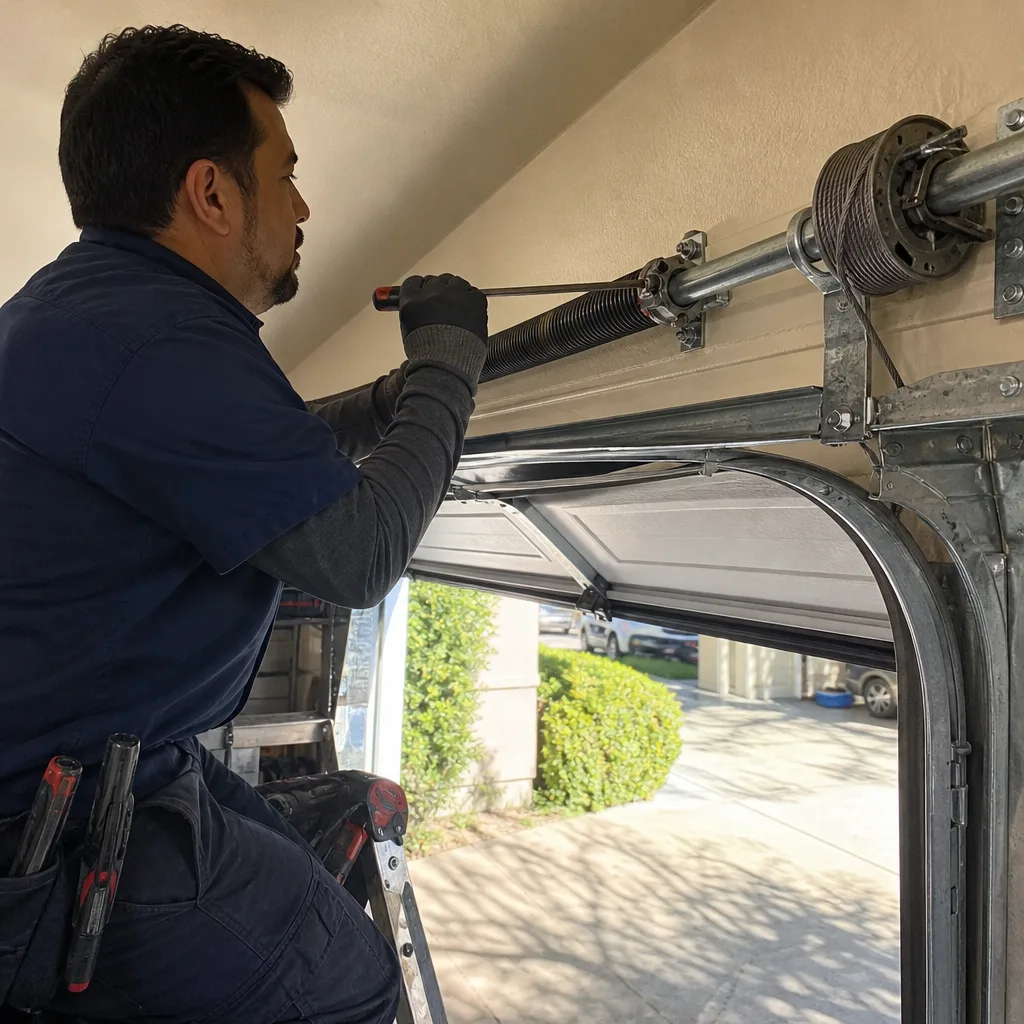 After
After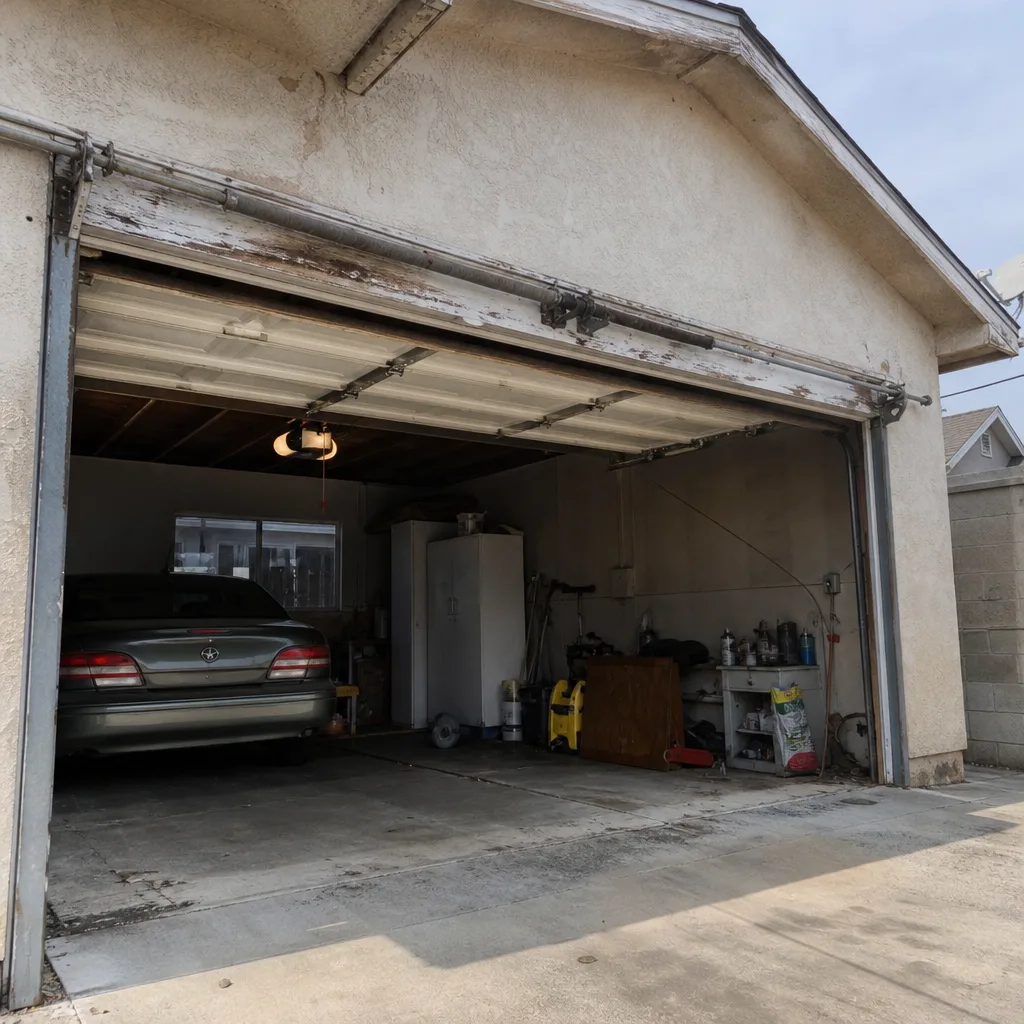 Before
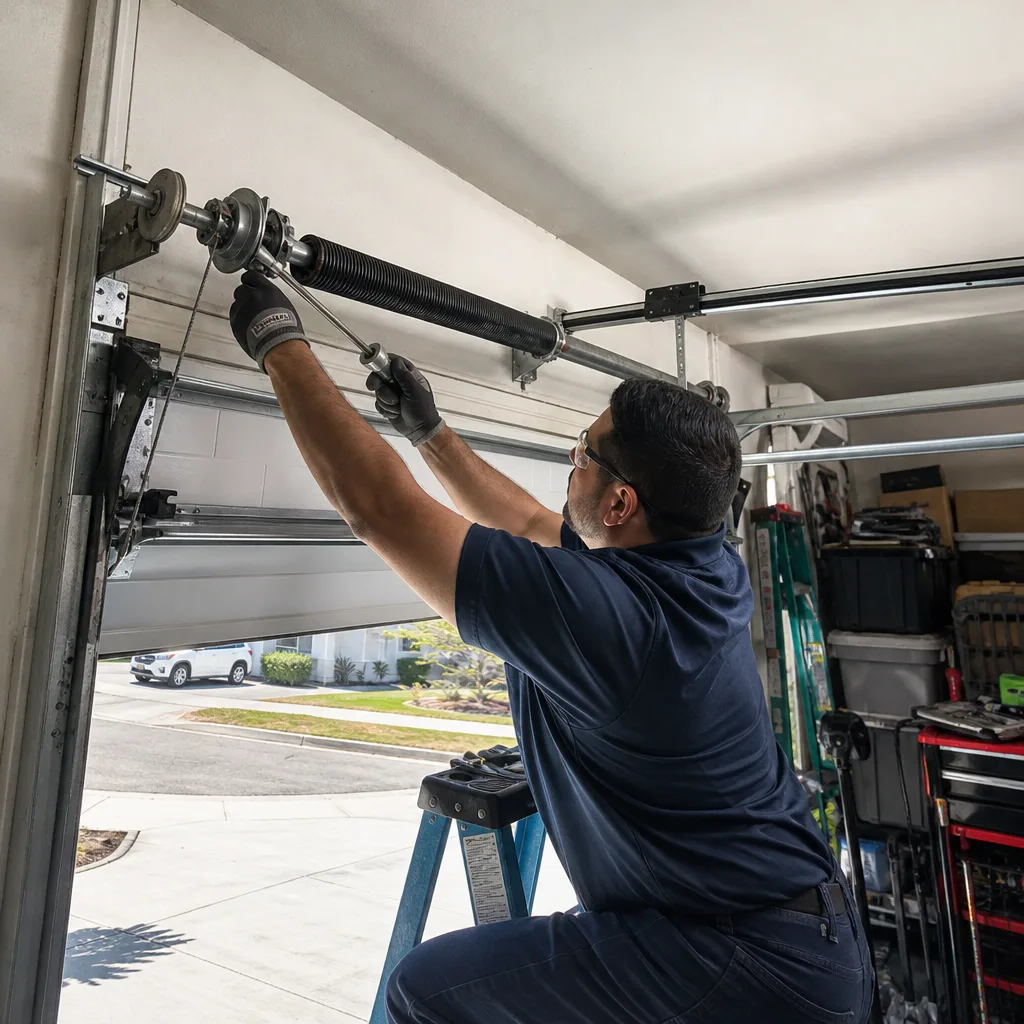 After
After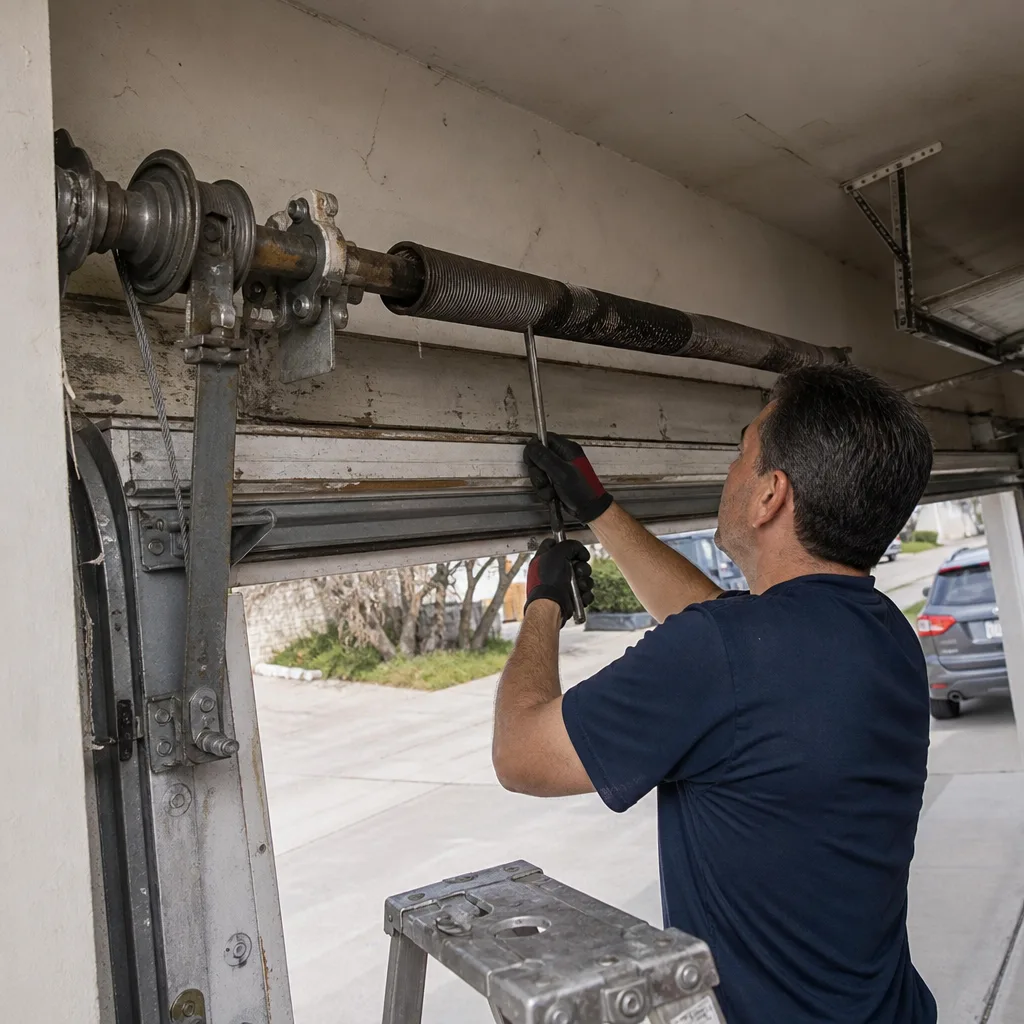 Before
 After
AfterLoud grinding when the door opens
What’s Happening
A loud grinding noise when your garage door opens almost always means metal is moving against metal without enough lubrication, or a worn component is dragging on the track or pulling against the drive system. In most cases, the fix is a same-day repair – but the grinding is also your door’s way of telling you something is close to failing. Catching it now is much cheaper than catching it after the door stops moving entirely.
The sound matters. A low, rhythmic grinding that matches the door’s movement usually points to dry or worn rollers. A sharper, intermittent grinding that kicks in when the opener engages often means the opener’s drive system is the issue. A grinding that comes with resistance – where the door feels heavier than usual or jerks to a stop – puts worn or damaged bearings or a bent track into the picture. None of these are sounds to ignore, and none require a guess: a technician can pinpoint the cause in the first few minutes on site.
Why It Happens
Dry or worn rollers
Rollers are the small wheels that run along the inside of the track and keep the door moving smoothly. Most are made of steel or nylon, and both types wear down over years of use. When a steel roller loses its lubrication or a nylon roller develops a flat spot or crack, it scrapes along the track instead of rolling – and that scraping is exactly the grinding sound you’re hearing. You can often spot the problem yourself: look at the rollers while the door is closed. Rust, visible flat spots, or a roller that’s tilted sideways instead of sitting square in the track are clear signs.
Stripped or worn opener drive gear
Chain-drive and belt-drive openers use a small plastic or metal drive gear to transfer motor power to the trolley that moves the door. When that gear wears down or strips, the motor spins but the gear slips and grinds instead of engaging cleanly. The telling sign here is that the grinding is loudest at the opener unit itself – up at the ceiling – rather than at the door or track. You may also notice the opener running longer than usual or the door moving slower than it should before the grinding starts.
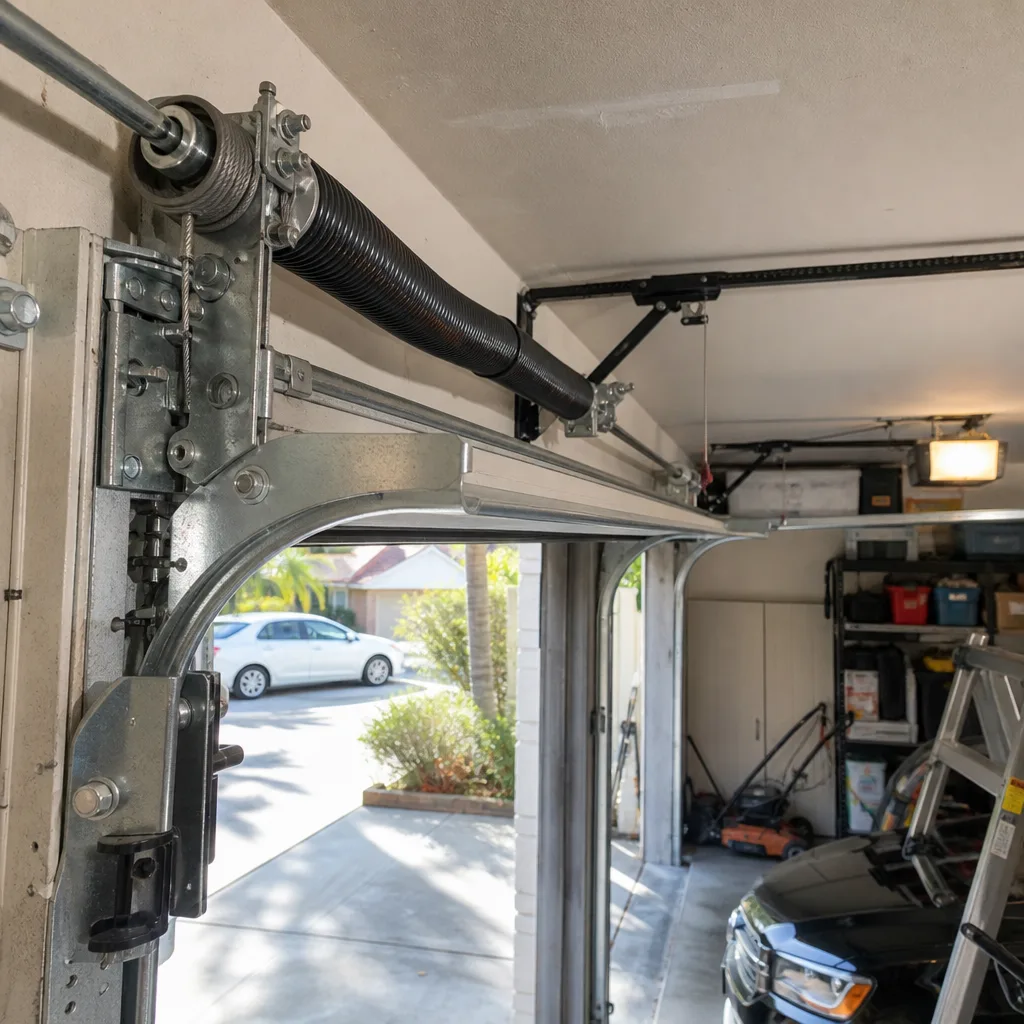
Worn or damaged torsion spring bearings
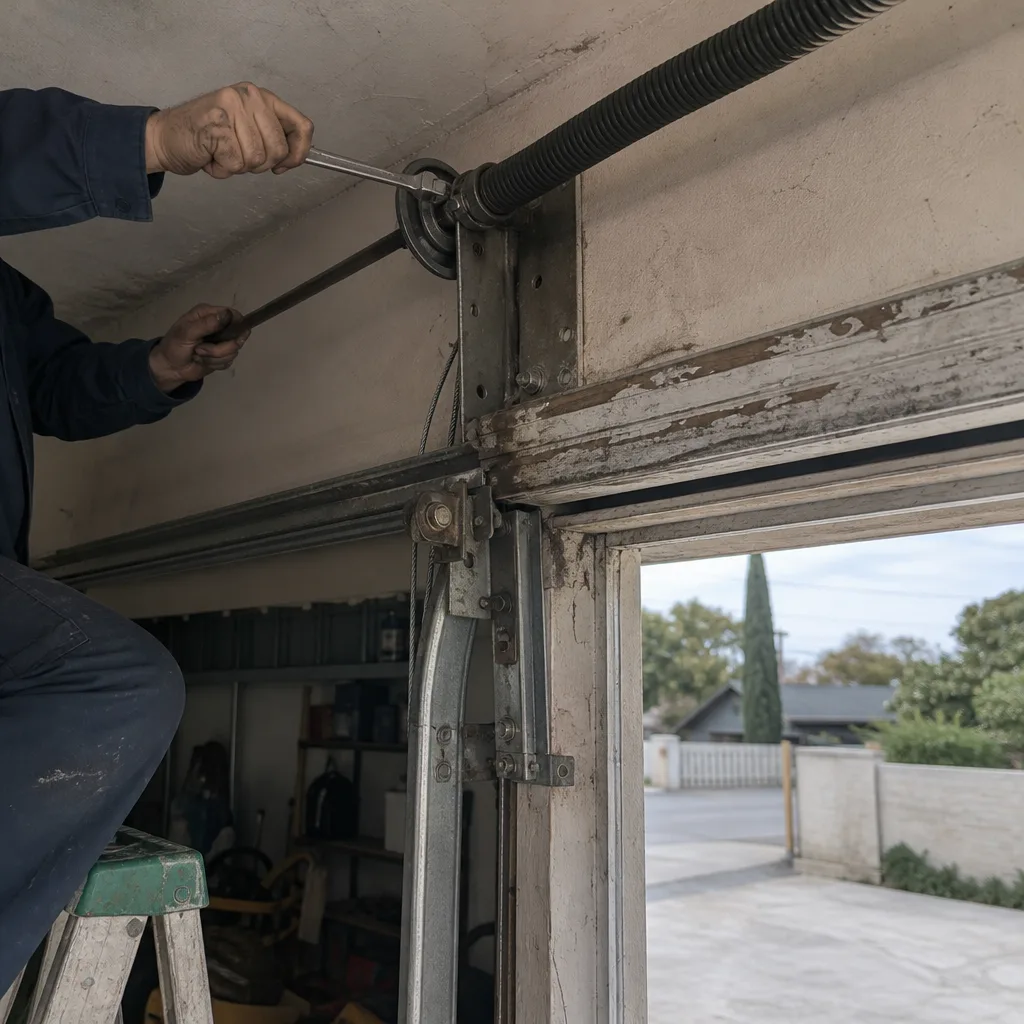
The torsion spring that counterbalances your door sits on a metal shaft, and the ends of that shaft spin inside bearing plates mounted to the center bracket and the end brackets. When those bearings dry out or wear through, you’ll get a grinding or squealing sound that comes from the center of the door, high up near the top. This is worth flagging clearly: torsion springs are under serious mechanical tension. Do not attempt to lubricate, adjust, or service the spring or any component attached to it yourself. If you suspect this is the source, stop using the door and call for a technician.
Bent track or debris in the track
If a roller hits a bend in the track or rolls over a piece of grit, a bolt, or built-up debris, you’ll get a grinding or knocking sound at a specific point in the door’s travel – the same spot every time. Run the door slowly and listen: if the noise only happens at one particular height, a track problem is likely. You can inspect the inside of the track with a flashlight. A visible dent, a section of track that’s pulled away from the wall, or visible grime packed into the channel all point in this direction.
What to Do Right Now
- Stop using the door. Every cycle on a grinding door wears the problem further. If the cause is a failing roller, bearing, or drive gear, continued use can turn a straightforward repair into a door that won’t move at all.
- Look at the rollers. With the door closed and the opener disconnected from power, visually inspect each roller. Look for rust, visible cracks, flat spots, or any roller that’s sitting at an angle in the track. Photograph anything that looks wrong.
- Inspect the track for dents or debris. Use a flashlight and look along the length of both tracks. If you see a visible dent or a section that’s bent inward, that’s likely your contact point. Take a photo – it helps the technician prepare.
- Look up at the opener unit when the door is stationary. If the grinding sound came primarily from the motor unit at the ceiling, note whether the trolley carriage was moving normally or seemed to stutter. That observation helps narrow the cause to the drive system.
- Do not touch the torsion spring, cables, or any component under tension. If the grinding is coming from the center of the door near the horizontal spring shaft, or from the cables at either side, stop entirely. These components are under extreme tension and can cause serious injury if disturbed. Call a technician and leave it alone.
How We Fix It
When your local Doyle Garage Door Repair technician arrives, the first thing they do is a full mechanical inspection – door, track, rollers, springs, bearings, hardware, and opener. This takes about fifteen to twenty minutes and tells them exactly what’s grinding and why. Before a single bolt is turned, they’ll give you a written price for the repair. That’s not a verbal ballpark – it’s the number, on paper, handed to you. No surprises on the invoice.
Most grinding repairs resolve through garage door repair: roller replacement, track realignment, bearing service, or opener drive gear replacement, depending on what the inspection finds. If the opener’s drive system has failed beyond repair, that routes into garage door opener repair, which most technicians can complete the same visit with parts on the truck.
The repair is covered by the 365-Day Done Right Promise. If it’s not right, we come back and make it right – in writing, automatically, no argument required.
Frequently Asked Questions
It depends on the cause, but the honest answer is that you shouldn’t wait. A grinding door is a door that’s working harder than it should, and components under that kind of stress can fail without much additional warning. If the grinding is coming from the spring system or cables, treat it as urgent – those components can fail suddenly and cause real injury. If it sounds like rollers or a drive gear, you have a bit more time, but “a few days” has a way of becoming a stuck door at the worst possible moment. Call (910) 858-8029 and let us tell you what you’re dealing with.
In most cases, yes – your local Doyle Garage Door Repair team handles grinding door calls the same day they come in. A real person answers at (910) 858-8029 around the clock, 365 days a year, including weekends and holidays. Call now and we’ll get a technician to you as quickly as we can.
No. The written price you receive before work begins is the price you pay. Our technicians carry common parts on the truck, and the inspection before work starts is exactly how we make sure the quote covers everything. We don’t hand you a written price and then find reasons to add to it.
In the large majority of grinding-door calls, the door itself is fine and a targeted repair solves it completely. Rollers, bearings, drive gears, and track sections are all serviceable components – they’re designed to be replaced. The inspection will tell you exactly what needs attention, and if a component is worn enough that repair doesn’t make sense, the technician will tell you that plainly and explain why, before anything starts.
Get It Fixed
Call (910) 858-8029 – a real person answers, day or night – or book online. Your local Doyle Garage Door Repair team will inspect the door, hand you a written price before any work begins, and get it running quietly again.
Written by Aaron Teague, Owner and Lead Technician at Doyle Garage Door Repair, serving communities nationwide as part of the Threshold Group family of home-service companies since 2001.
What Our Customers Say
"Wall button quit working and the remote was flaky too. He reprogrammed the opener and replaced the button. Short visit, no upsell."
- Nate C."New door installed after a delivery truck clipped our old one. Three panels, new hardware, and the install crew was neat and on time. Looks like it came with the house."
- Tyler B."Honestly the careful way he checked in at the door and explained each step made the whole thing easy. Door works great and the price matched the estimate."
- Irene J.