
Last updated October 9, 2026
Full 25-point door and opener safety check with every visit - springs, cables, rollers, tracks, and your LiftMaster or Chamberlain opener included
You get a price before we start. It does not change when the truck arrives.
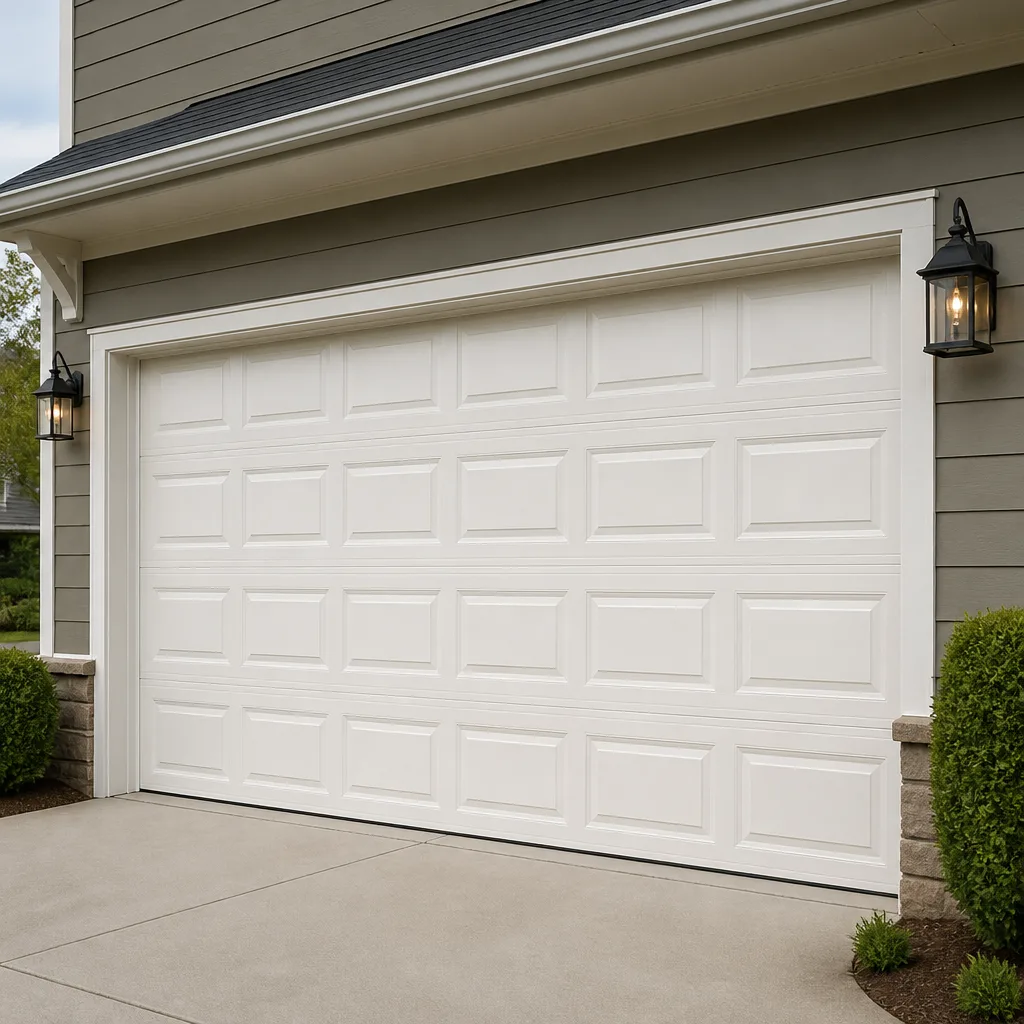
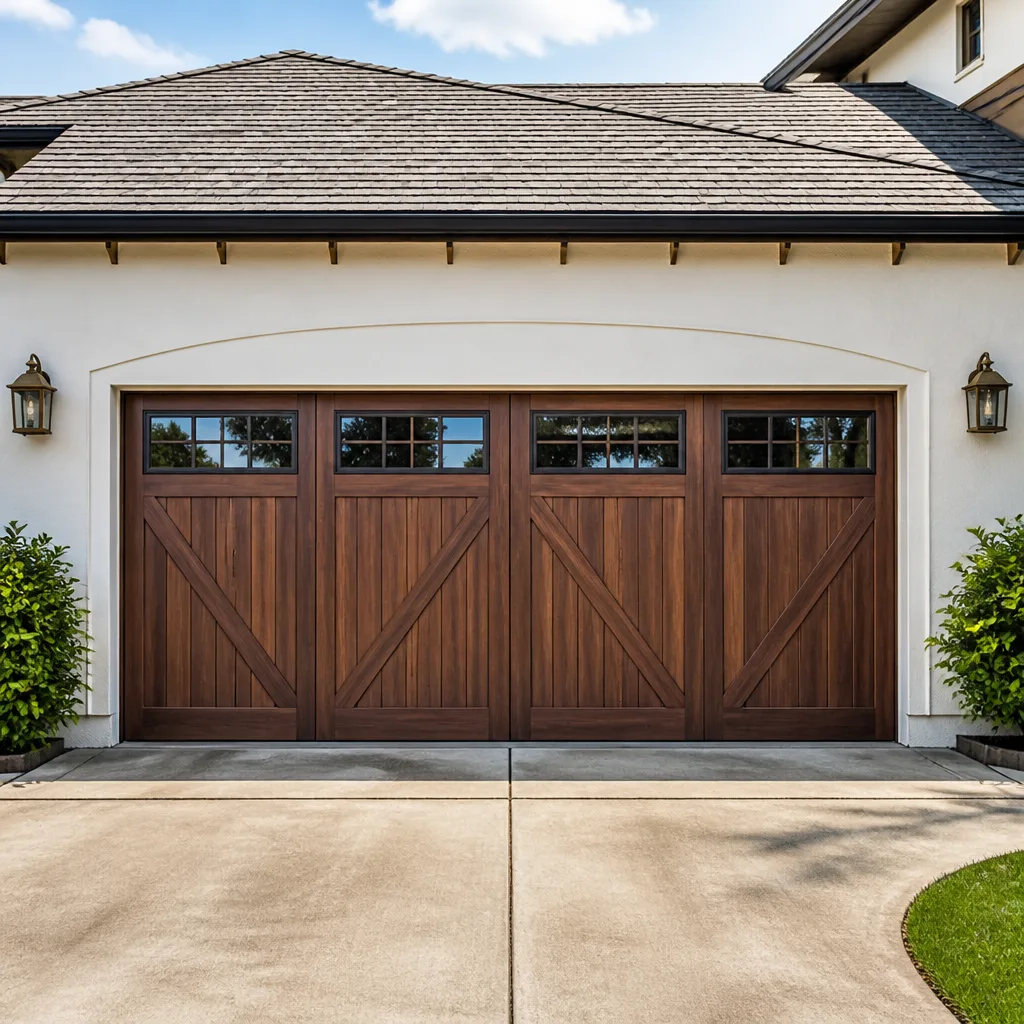
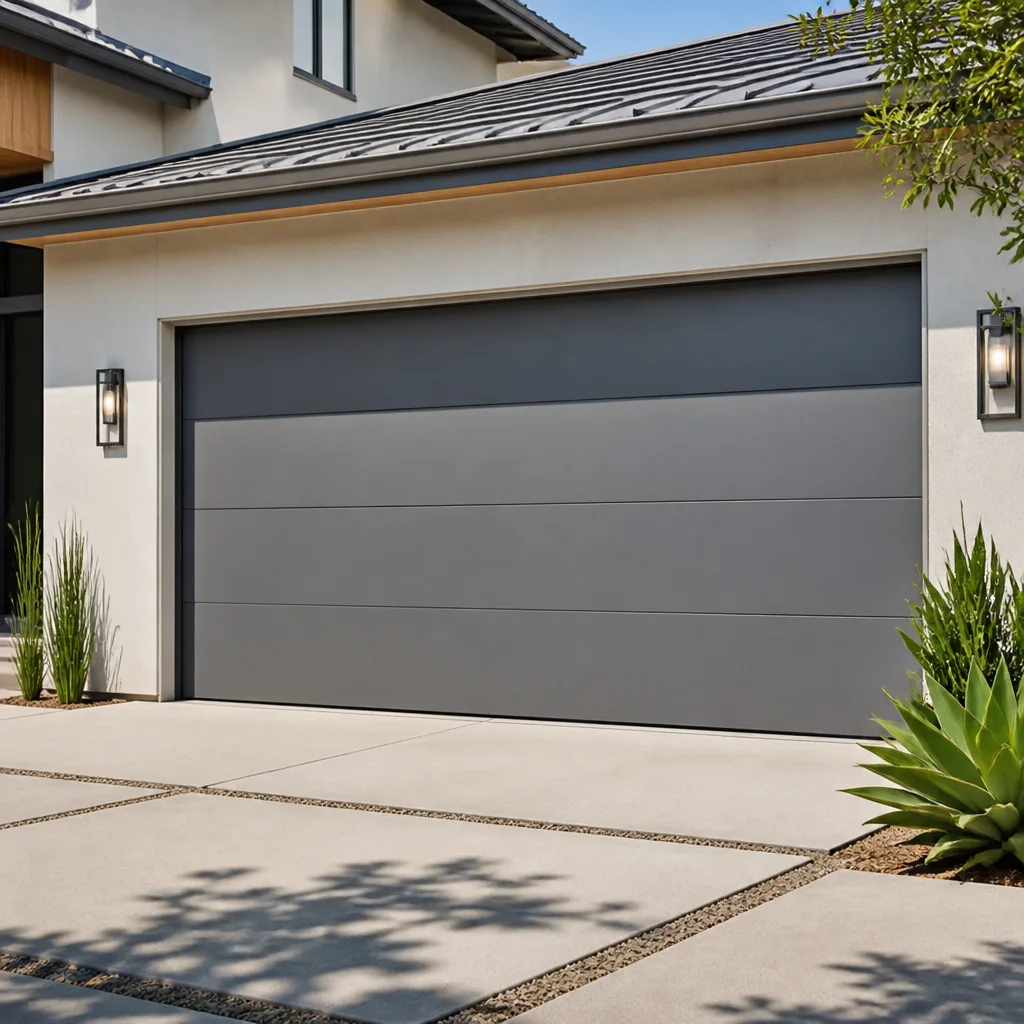
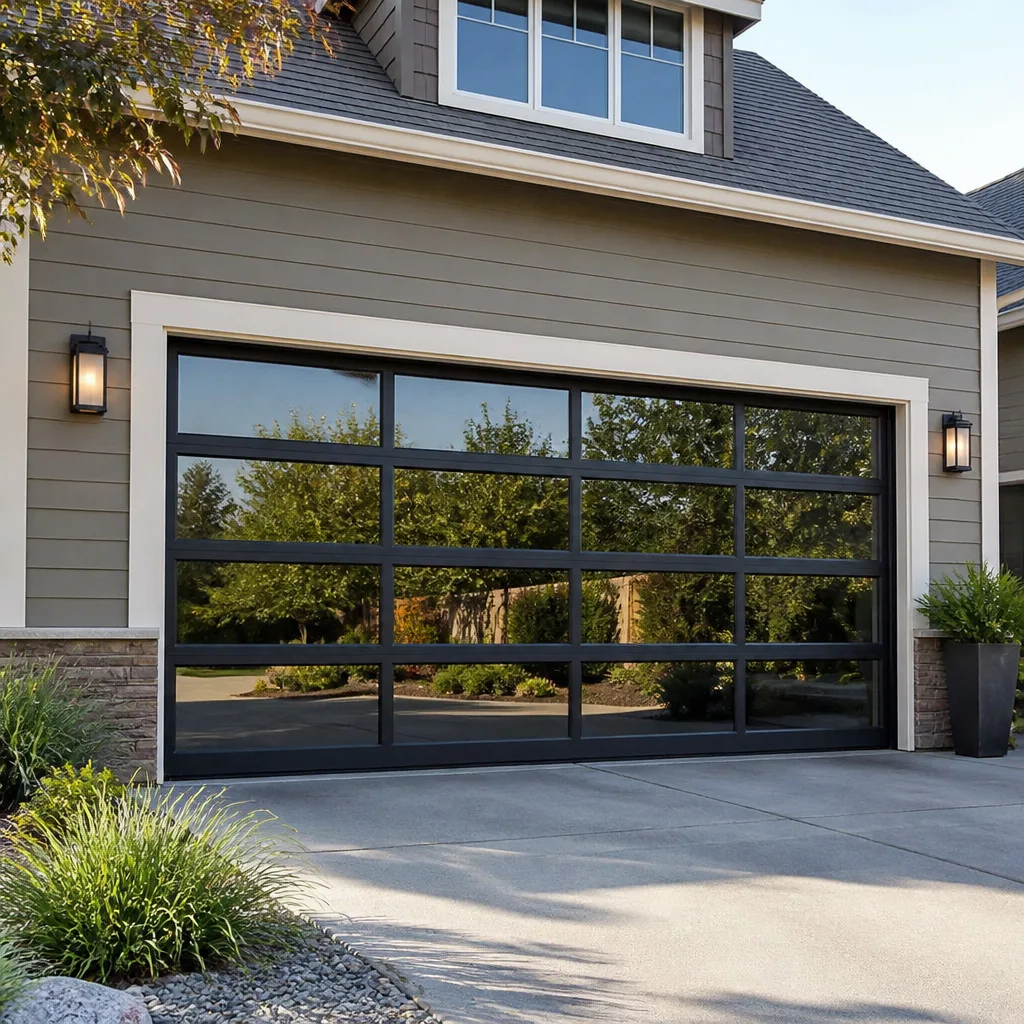
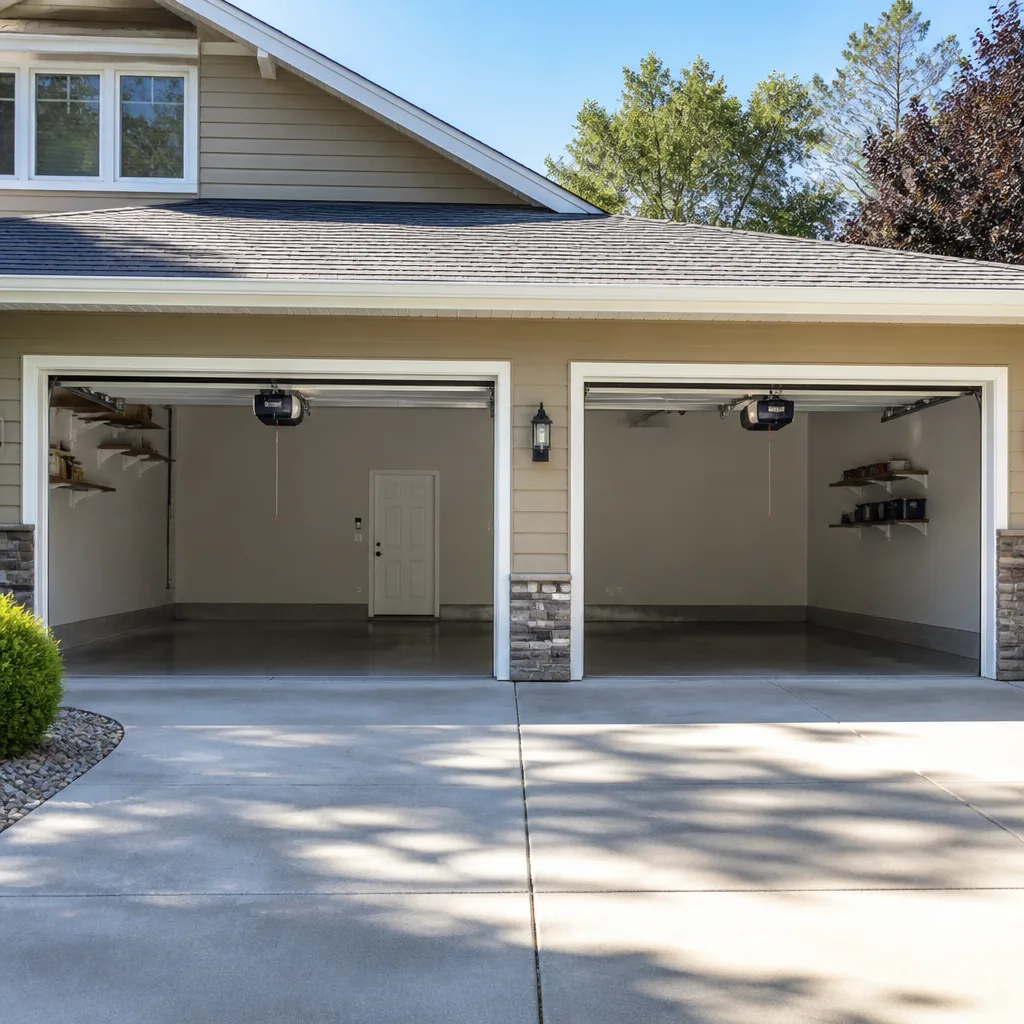
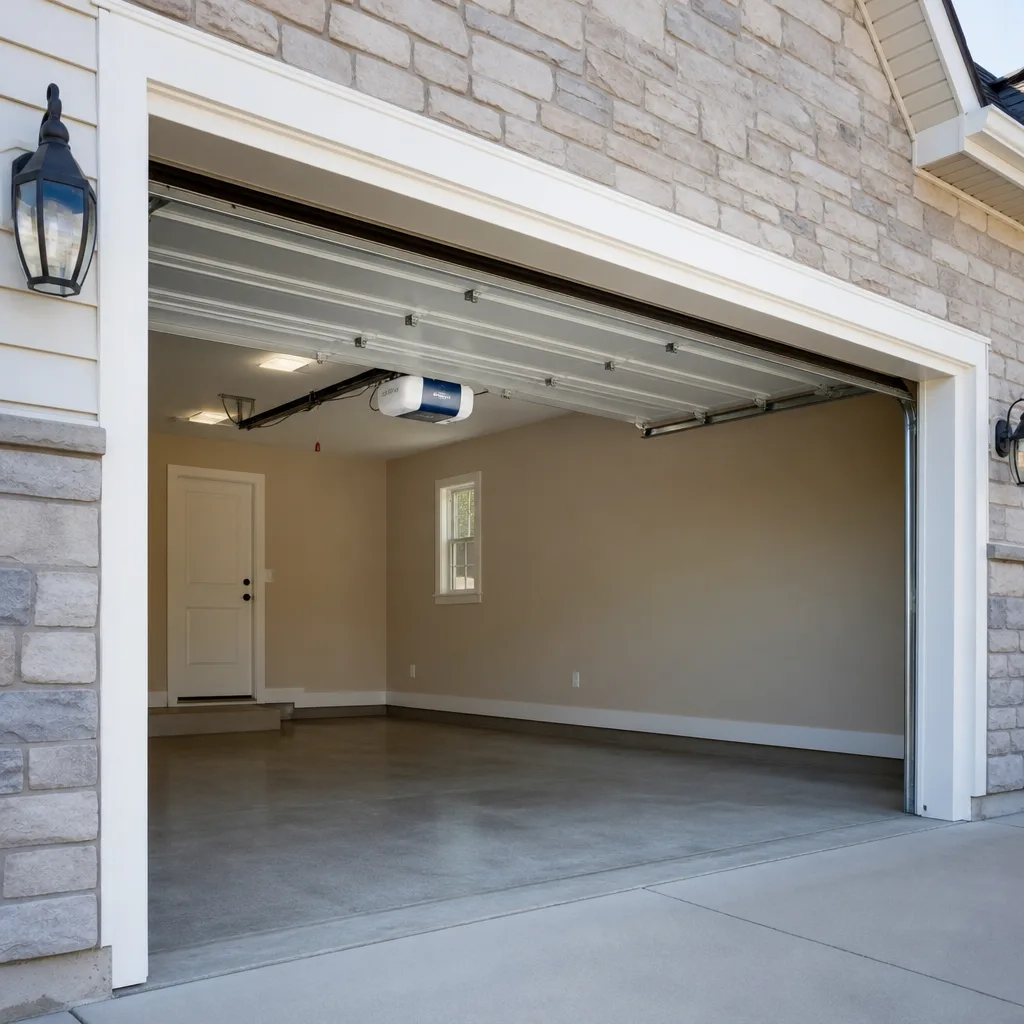
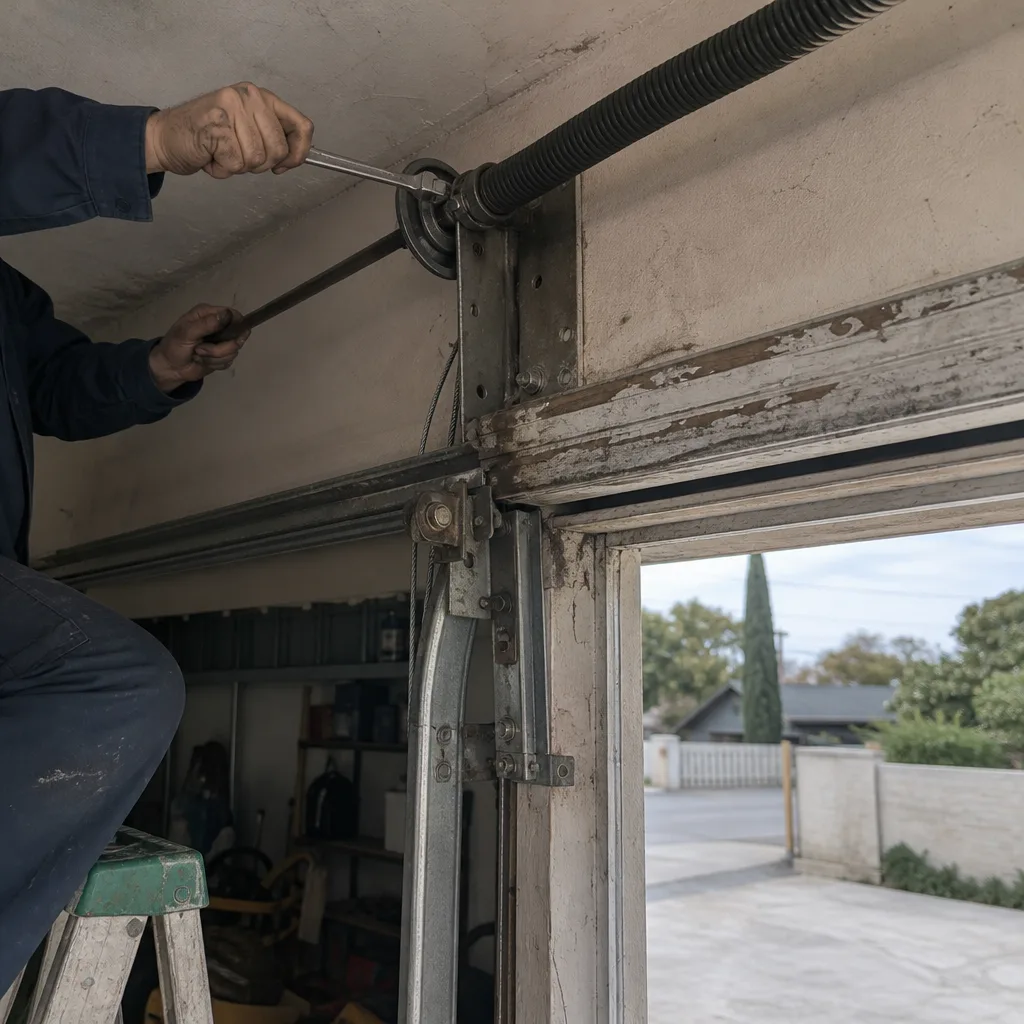 Before
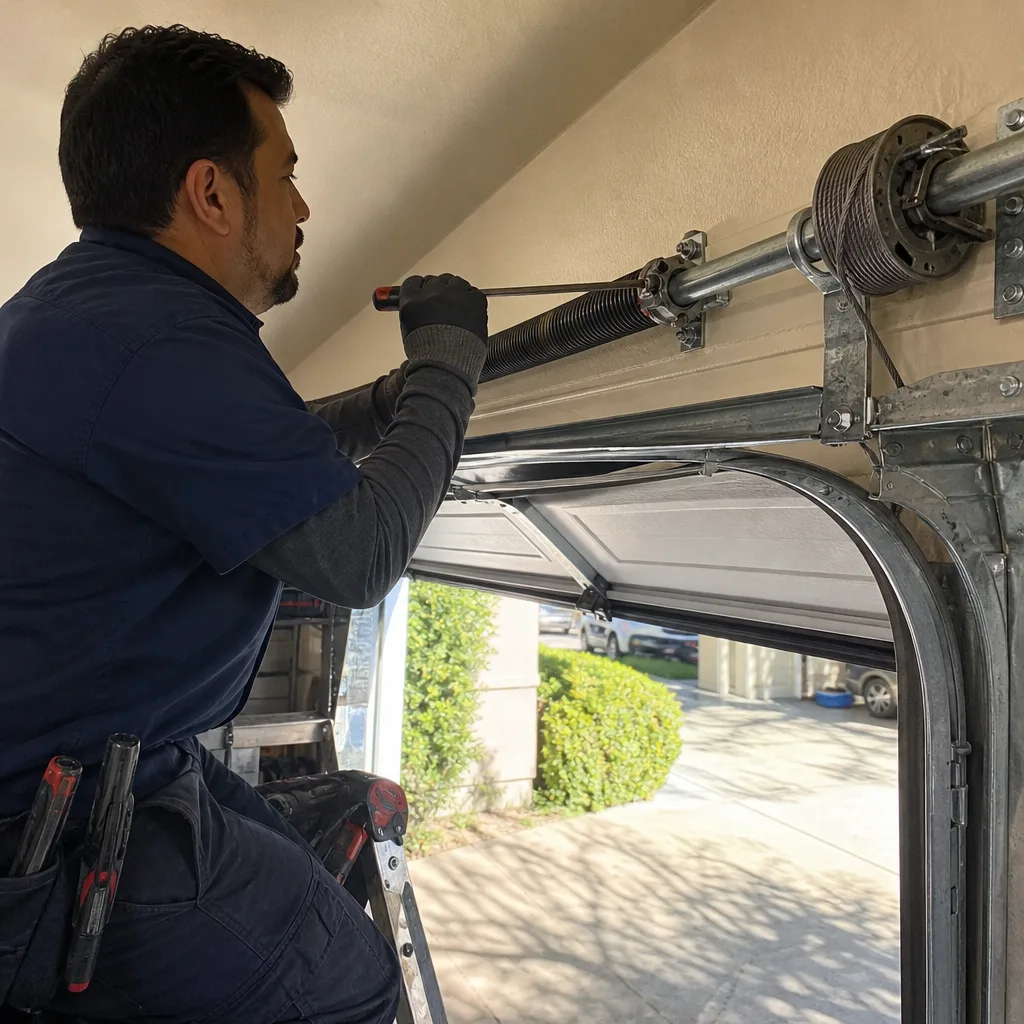 After
After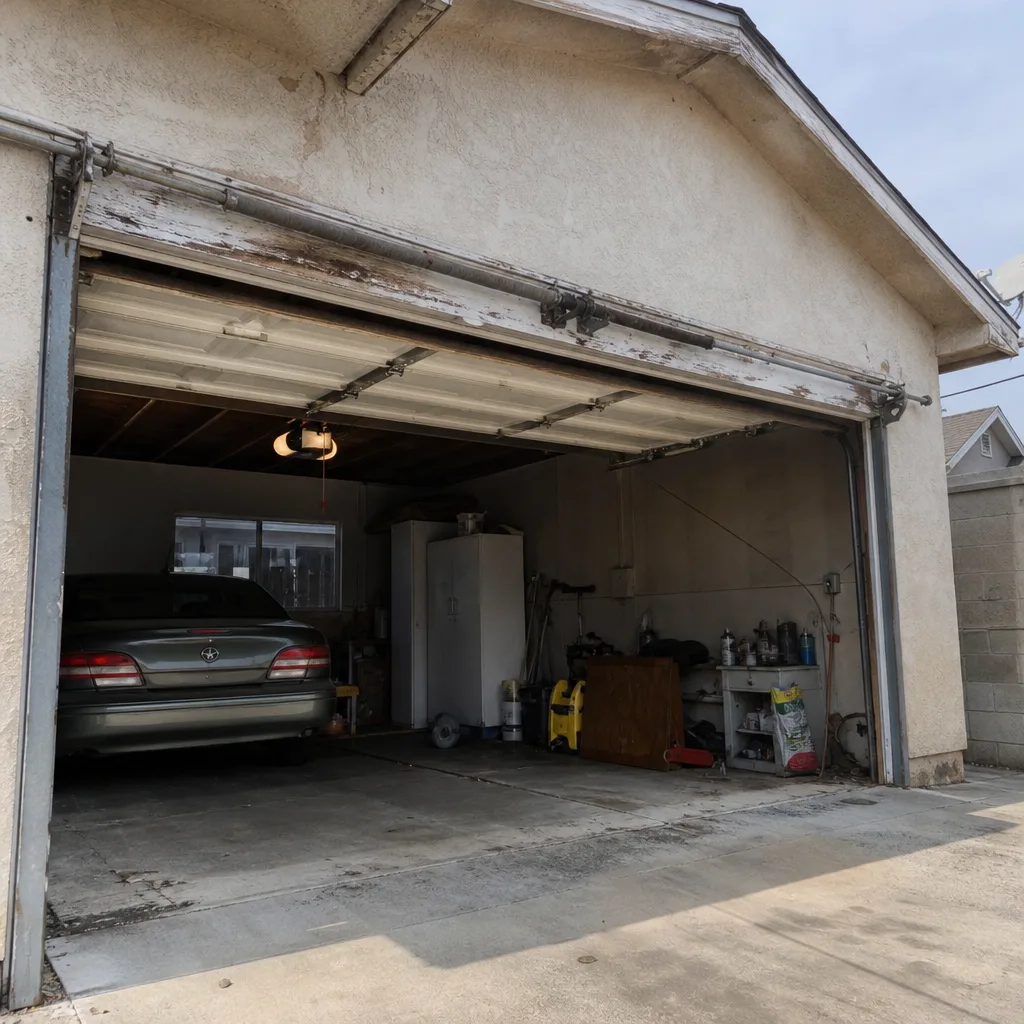 Before
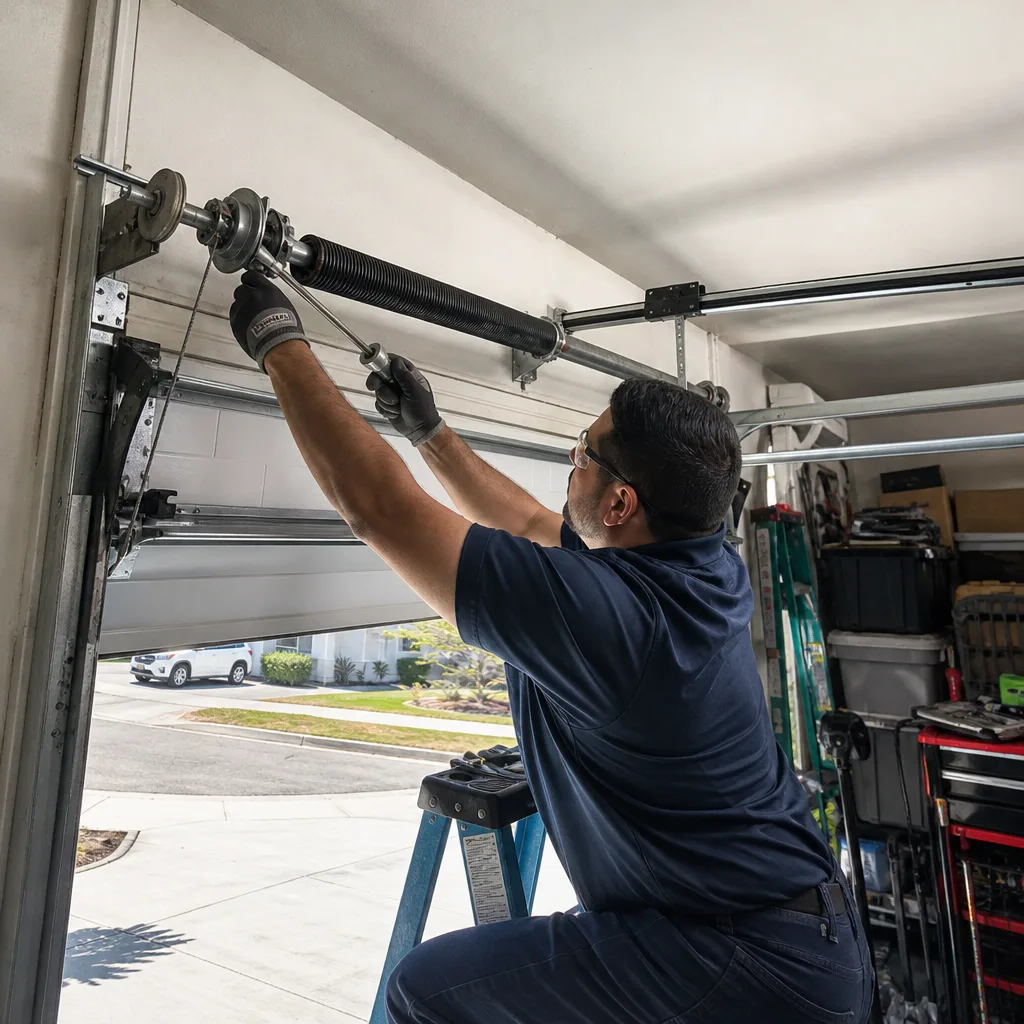 After
After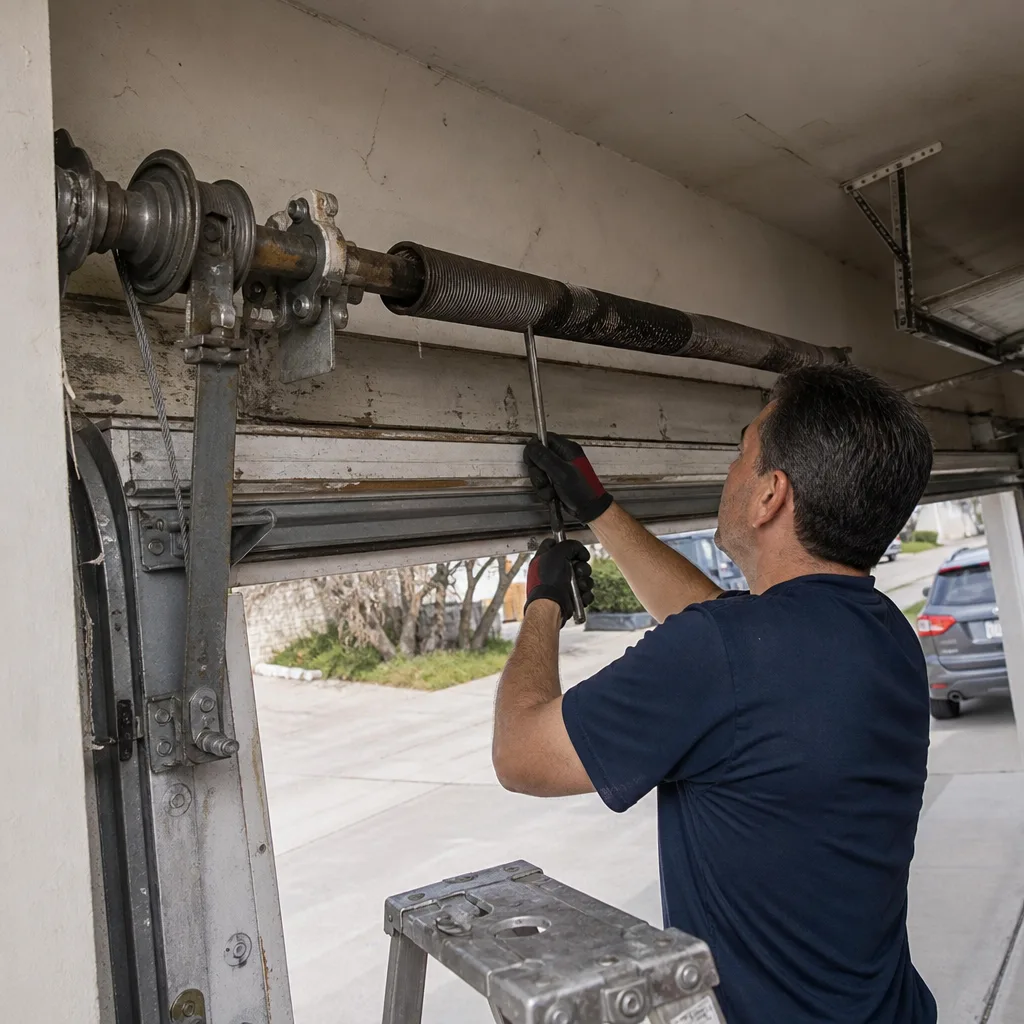 Before
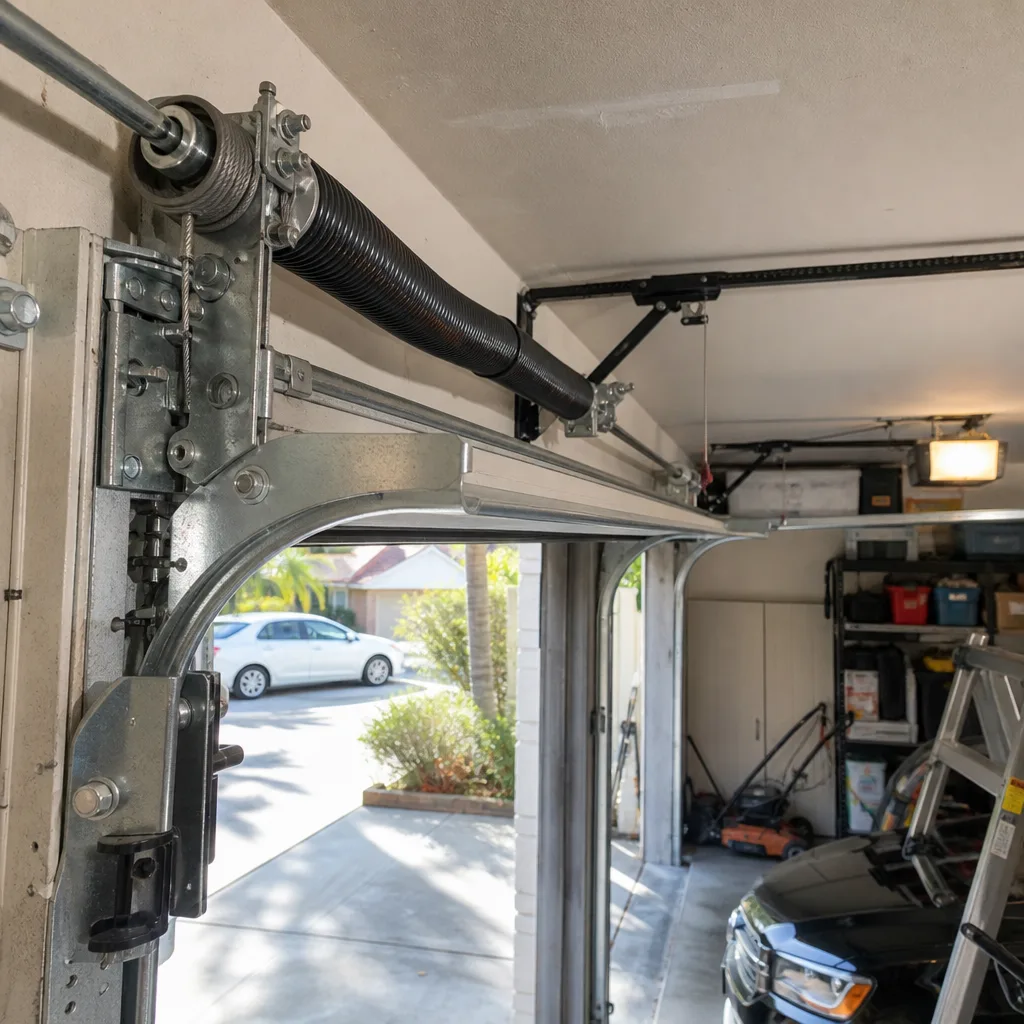 After
AfterChoosing the Right Garage Door Brand: A Buyer’s Guide for Los Angeles
The most-advertised garage door brand in America is not the best performer in the San Fernando Valley’s 100-degree summers, and the one that excels in Los Angeles coastal zones is rarely the one a big-box store is pushing on sale. Marketing budgets do not hold up against salt air, dry heat, and the daily grind of a two-car household. This guide is built from what we’ve seen in Los Angeles garages since 2001: which materials survive west of the 405, which spring systems actually earn their cycle ratings, and why the installer matters more than the logo on the panel. For more detail, see our Complete Garage Door Installation Guide for Los Angeles Homeowners.
Quick Answer
The best garage door brand for a Los Angeles home depends on where you live: coastal zones west of the 405 demand aluminum or composite frames that resist salt-air corrosion, while inland zones east of the 110 are better served by insulated steel doors rated for extreme heat cycling. Raynor and Clopay consistently hold up well across LA’s microclimates, and LiftMaster and Chamberlain lead on opener reliability. The single most important choice is not the brand name but the spring system rating and the quality of the installation.
Table of Contents
- How LA’s Microclimates Should Dictate Door Material
- What a Cycle Rating Actually Means in Real Years
- Insulation R-Value: Where It Matters in LA and Where It’s an Upsell
- Warranty Reality: Finish, Spring, and Hardware Are Separate Documents
- Installer Accountability: Why the Same Panel Performs Differently
- Brand-by-Brand Performance in Los Angeles Conditions
- What You Should Expect to Pay in LA
- Common Mistakes to Avoid
- When to Call a Professional
- Frequently Asked Questions
How LA’s Microclimates Should Dictate Door Material
Los Angeles is not one climate. A garage in Santa Monica endures marine layer moisture and salt-laden fog for nine months of the year. A garage in Woodland Hills bakes in 105-degree dry heat from June through October. A garage in Pasadena gets both, plus Santa Ana wind cycles that kick fine dust into every track and roller. The door that performs beautifully in one of these zones may fail early in another.
Coastal zones (west of the 405): Salt air is the enemy of steel. We’ve replaced doors in Venice and Playa del Rey where the bottom panels rusted through in under eight years because they were standard gauge steel with a thin powder coat. Aluminum frames and composite wood panels hold up better because they do not rust. If you choose steel, the panel must be hot-dipped galvanized and the hardware must be stainless or zinc-coated. The standard hardware pack included with most entry-level doors will corrode within two years within three miles of the ocean.
Inland zones (east of the 110): Dry heat does not cause rust, but it does stress hinges, rollers, and springs through constant expansion and contraction cycles. A steel door with a polyurethane core handles this better than a hollow aluminum door, which warps when one side bakes in direct afternoon sun. The San Fernando Valley and San Gabriel Valley also experience temperature swings of 40 degrees between day and night, which loosens hardware faster than in coastal neighborhoods.
Hills and canyon areas (Laurel Canyon, Beachwood Canyon, Mount Washington): These zones add wind load and grit. Doors need reinforced struts on every panel or they will flex and eventually crack at the hinge points. A standard non-reinforced door will visibly bow within five years in a canyon location.
What this means in practice: there is no single best brand for all of Los Angeles. The best brand is the one whose material spec matches your zip code’s exposure. We tell customers in Mar Vista something different from what we tell customers in Calabasas, and that is how it should be.
What a Cycle Rating Actually Means in Real Years
Every garage door spring carries a cycle rating, typically stamped as 10,000, 20,000, or 30,000 cycles. The number sounds impressive until you do the math. A cycle is one full open and one full close. A two-car family in Los Angeles with two commuters typically cycles their door six to eight times per day. At seven cycles a day, 10,000 cycles equals roughly four years of service life. A 20,000-cycle spring lasts about eight years. A 30,000-cycle spring lasts about 12 years.
Most builders install 10,000-cycle springs because they are the cheapest option. The homeowner discovers this four years later when the torsion spring, which is the large coil mounted above the door that does most of the lifting, snaps without warning. We see this constantly in neighborhoods like Sherman Oaks and Studio City where homes were built in the 2000s and the original builder-grade springs are reaching the end of their rated life right on schedule.
Here is how to evaluate a cycle rating honestly:
- Ask whether the spring is rated 10,000, 20,000, or 30,000 cycles, and get it in writing on the quote. A reputable installer will list this explicitly.
- Estimate your daily cycles. Two working adults with two cars: seven to eight. One car, retired or work-from-home: three to four. Family with teenagers: ten or more.
- Divide 10,000 by your daily cycles to get years of expected life. This number should be on the table before you sign.
- Compare the spring rating to the door warranty. If the door carries a lifetime warranty on panels but the spring is rated 10,000 cycles, the panel warranty is a marketing document that ignores the part most likely to fail.
Raynor is one of the few manufacturers whose mid-tier and upper-tier doors ship standard with higher-cycle springs on certain models. Clopay also offers high-cycle spring upgrades. But here is the part most guides & resources omit: the spring system is not tied to the door brand. A skilled installer can upgrade any door to a 30,000-cycle spring set for a modest additional cost. The brand does not determine spring life. The installer and the spring spec do.
Insulation R-Value: Where It Matters in LA and Where It’s an Upsell
Insulation R-value is the most oversold feature in the garage door industry. Manufacturers advertise R-values from R-6 to R-18, and most Los Angeles homeowners are told they need the highest number available. The honest answer depends on one question: do you use your garage as living space, or is it a parking bay and storage room?
Where insulation genuinely matters in LA:
- Attached garages used as workshops, gyms, playrooms, or ADUs: If you spend real time in the garage, an insulated steel door with a polyurethane core (R-12 to R-18) makes a measurable difference in comfort and in the temperature of the rooms above the garage.
- Garages with bedrooms above them: The floor of the bedroom above the garage absorbs whatever temperature the garage holds. In a San Fernando Valley summer, an uninsulated garage can reach 130 degrees, which turns the bedroom above into a hotplate. R-12 or higher helps genuinely here.
- South-facing doors in inland zones: Direct sun on a dark steel door heats the panel surface enough to warp it over time. A polyurethane core with a light exterior color reduces that stress.
Where insulation is an upsell:
- Detached garages used only for parking: The R-value of the door does not matter because no one is living in the space. The car does not care about the temperature.
- Coastal zones: West of the 405, the temperature range is mild. Insulation adds cost without adding comfort.
- Empty-nest households with one car and light garage use: The door opens once or twice a day. The energy math does not justify the premium.
We tell customers in Los Angeles the same thing every time this comes up: if you walk through the garage daily and feel the heat, insulation is worth it. If the garage is a storage closet with a car in it, spend that money on a higher-cycle spring system instead. You will get more life out of the door for the same dollar.
Warranty Reality: Finish, Spring, and Hardware Are Separate Documents
Most homeowners never read their garage door warranty, and the documents are designed with that fact in mind. A door advertised with a “lifetime warranty” usually means a limited lifetime warranty on the panel skin only. The spring, the hardware, the finish, and the opener each carry separate terms, and the exclusions matter more than the coverage.
Here is what a typical manufacturer warranty actually contains:
- Panel warranty: Often “lifetime” against rust-through on steel, but limited on aluminum and composite. Lifetime does not cover dents, fading, or damage from wind or impact.
- Finish warranty: Usually one to five years. Fading and chalking are excluded from most lifetime panel warranties. In Los Angeles coastal zones, salt-air pitting on the finish is often classified as environmental damage and denied.
- Spring warranty: Most manufacturers cover springs for one to three years, regardless of cycle rating. The cycle rating tells you when it will fail. The warranty tells you how long the manufacturer will pay for it. These numbers are intentionally different.
- Hardware warranty: Hinges, rollers, cables, and brackets typically carry one to five years. These are the parts that fail first in coastal and canyon zones.
One warranty distinction worth knowing: LiftMaster and Chamberlain opener warranties are generally stronger than their door panel warranties. For opener-specific issues, see our Complete Garage Door Opener Repair Guide for Los Angeles Homeowners. A LiftMaster opener with a belt drive often carries a lifetime motor warranty, which beats what most door manufacturers offer on the panel. If long-term warranty protection is a priority, spend more on the opener brand and less on the door panel logo.
The bottom line on warranties: read the exclusions before you choose the brand. A “lifetime” claim that excludes the finish, the springs, and the hardware in a Los Angeles coastal zone is not a lifetime of anything you will actually use.
Installer Accountability: Why the Same Panel Performs Differently
Here is the point that nearly every brand comparison guide misses: the same panel from the same manufacturer will last significantly longer when the installer sizes the springs correctly and aligns the cable drums properly. Brand choice matters less than verified installation quality. We have replaced five-year-old doors from premium manufacturers that failed because the original installer undersized the springs. We have also seen builder-grade doors last 15 years because the spring system was correctly specified and the tracks were true.
The installation variables that determine door life:
- Spring sizing: The torsion spring must be matched to the door weight and height. An undersized spring burns through its cycle rating years early. An oversized spring puts unnecessary load on the opener motor.
- Cable drum alignment: The cables on each side must wind evenly onto the drum. Uneven winding twists the door in its tracks and wears out rollers and hinges asymmetrically.
- Track tolerance: The vertical and horizontal tracks must be set within tight tolerances or the door rubs, binds, and eventually jumps the track. A door that jumps the track is a safety hazard, not just a repair.
- Opener force settings: A properly set opener reverses on resistance. An installer who skips this step leaves you with a door that will not stop if a child or pet is in the path.
This is why we send the technician’s name and photo to every Los Angeles customer before the visit, and why our technicians are background-checked and identity-verified under the Threshold Standard. You are not just buying a door. You are buying the person who sizes the springs and sets the force limits, and under-specified installation is the biggest cause of early door failure we see across the city.
Brand-by-Brand Performance in Los Angeles Conditions
We service all major garage door brands in Los Angeles, including LiftMaster, Chamberlain, Genie, Clopay, Amarr, Wayne Dalton, Craftsman, and Raynor. That service experience gives us a clear picture of which brands hold up in LA’s specific conditions and which ones generate repeat callbacks.
Raynor: In our experience, Raynor doors perform well in coastal zones when specified with aluminum or galvanized steel frames. The company has historically offered higher-cycle spring options on mid-tier models, which extends real-world life in a two-car Los Angeles household. Raynor is not the flashiest brand, but it is one of the more honest ones on cycle ratings and hardware quality.
Clopay: The strongest range of material options for LA’s microclimates. Clopay offers composite wood-look doors that hold up in coastal salt air without the maintenance of real wood, and their insulated steel lines perform well in inland heat. The trade-off is that Clopay’s entry-level models use the same budget hardware as everyone else, so the installed quality depends heavily on the installer.
LiftMaster: The opener brand we recommend most often in Los Angeles. Belt-drive models are quiet enough for homes where a bedroom sits above the garage, and the motor warranties on their upper-tier units are genuinely strong. LiftMaster is owned by Chamberlain Group, but the LiftMaster line is sold through dealers rather than big-box stores, and the build quality on the dealer line is generally higher.
Chamberlain: A solid mid-tier opener brand with broad parts availability across Los Angeles. Chamberlain openers are widely sold and widely serviced, which matters if you ever need a repair at 8pm on a Sunday. The difference between Chamberlain and LiftMaster is largely distribution and some component quality on the premium end.
We do not recommend Genie or Craftsman as first choices for Los Angeles homes where the garage door is used daily. Genie makes decent budget openers but the door hardware line has not held up as well in coastal zones in our experience. Craftsman doors are rebranded units from various manufacturers with inconsistent hardware quality, and when a Craftsman door fails, sourcing the correct replacement parts takes longer than it should.
What You Should Expect to Pay in LA
Los Angeles garage door pricing runs higher than the national average, driven by labor costs, permit requirements in hillside and coastal zones, and the fact that many LA garages are older structures that need track and framing adjustments before a new door can be installed. Here are the ranges we quote most often:
- Single-car steel door, mid-tier brand, standard install: $900 to $1,500 installed.
- Two-car steel door, insulated, standard install: $1,400 to $2,200 installed.
- Aluminum or composite wood-look door for coastal zones: $2,000 to $3,500 installed.
- New torsion spring set, single door, 20,000-cycle rated: $280 to $420 installed.
- Belt-drive LiftMaster opener installation: $350 to $550 installed, depending on the model and whether the old unit requires extra labor to remove.
- Full door and opener replacement package, two-car: $1,900 to $3,000 installed.
The best way to avoid invoice surprises in Los Angeles is to demand the price in writing before any work begins. At Doyle Garage Door Repair, the price is written down and handed to you before a single bolt is turned. No verbal estimates, no modifications to the number after the work starts. If the quote says $1,600, the invoice says $1,600.
Common Mistakes to Avoid
- Choosing a brand based on TV ads. The brands with the largest advertising budgets are not necessarily the best performers in coastal or inland LA conditions. Ads measure reach, not durable hardware.
- Ignoring the spring cycle rating. You can buy a door with a “lifetime” panel warranty and a 10,000-cycle spring, which means you will be paying for a spring replacement in four years. The spring spec matters more than the panel logo.
- Paying extra for insulation you will never feel. If your garage is a parking bay and storage room, R-18 insulation is money spent on an R-value you will not notice. Spend it on a better spring system instead.
- Assuming the warranty covers everything. Finish, spring, and hardware are separate warranty documents. Read the exclusions. In coastal zones, finish corrosion claims are commonly denied.
- Hiring the cheapest installer. The same door lasts dramatically longer or shorter depending on spring sizing, drum alignment, and opener force settings. The cheap bid usually shows up in the hardware three years later.
- Replacing the door without checking the spring system. If your existing spring set is rated 10,000 cycles and near the end of its life, installing a new door on old springs means you will be replacing the springs within a year. Upgrade both at the same time.
When to Call a Professional
Garage door springs are genuinely dangerous. A torsion spring under tension stores enough energy to break bone or cause serious injury if it lets go while someone is working on it. If your spring is broken, if your door is off its track, or if your cables are frayed, do not attempt a DIY fix. Call a trained professional. We service all garage door brands throughout Los Angeles and offer free estimates on new door installations, spring replacements, and opener upgrades. For more on repairs, see our Complete Garage Door Repair Guide for Los Angeles Homeowners. Doyle Garage Door Repair can be reached at (910) 858-8029, and the price is always in writing before the work starts.
Frequently Asked Questions
For homes west of the 405, aluminum and composite wood doors from Raynor or Clopay hold up best against salt-air corrosion. Steel doors in coastal zones need hot-dipped galvanized panels and stainless hardware to survive more than a few years. Call (910) 858-8029 for a free estimate on a coastal-spec door.
A 10,000-cycle spring lasts about four years for a two-car family that cycles the door seven times daily. A 20,000-cycle spring lasts roughly eight years, and a 30,000-cycle spring lasts about 12. We recommend upgrading to at least 20,000 cycles in Los Angeles for any door used daily, and the cost difference is typically $60 to $100 per spring.
Insulation is worth it if you use the garage as living space, if a bedroom sits above the garage, or if the door faces direct south sun inland. For a detached garage used only for parking, insulation is an upsell you will not feel. We will tell you honestly which applies to your situation before you spend the money.
Door panel installation is possible for a skilled DIYer, but spring installation and adjustment should always be done by a professional. The springs carry enough energy to cause serious injury, and incorrect spring sizing shortens the life of the entire door system. The safety risk is not worth the savings.
Yes. We are factory-trained to service all major brands including LiftMaster, Chamberlain, Genie, Clopay, Amarr, Wayne Dalton, Craftsman, and Raynor. The brand on the panel does not change how we diagnose the problem or how we price the repair. The price is written down before work starts, and every repair carries a 365-day written guarantee: if it fails, we come back and make it right at no charge.
No. At Doyle Garage Door Repair, the price is in writing before any work begins, and it does not change after the technician arrives. If the quote says $1,600, the invoice says $1,600. No adjustments, no surprise line items, no upsell pressure. Call (910) 858-8029 for a free estimate.
The Bottom Line
Choosing the right garage door brand for a Los Angeles home comes down to matching the material to your microclimate, reading the cycle rating on the spring system, and hiring an installer who sizes everything correctly. The brand logo matters less than the steel gauge, the spring cycle count, and the technician who sets the force limits. Spend your budget on a 20,000-cycle spring and a verified installation over a premium panel name. The door will last longer, and the invoice will be honest from the first quote to the final signature.
Written by Aaron Teague, Owner at Doyle Garage Door Repair, serving Los Angeles since 2001.